
Petrol Against Diesel Tillers How to Choose for Your Market
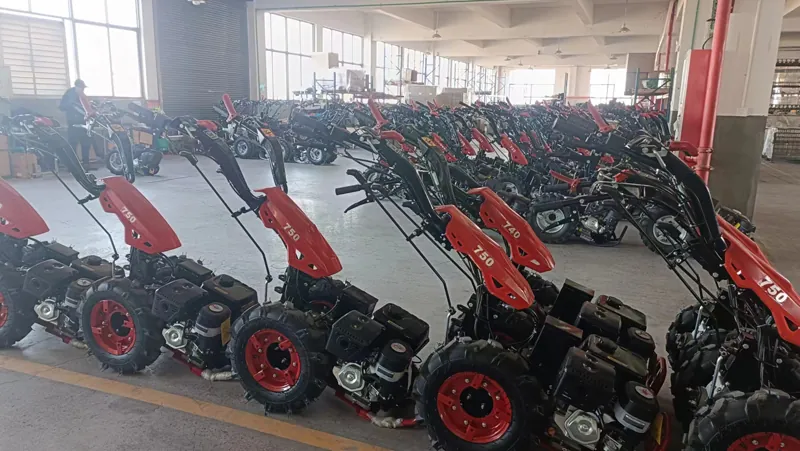
Fuel type changes weight, pulling power, starting behaviour and who will buy the machine. A dealer's stocking decision follows from all four.
What the Fuel Type Actually Changes
A diesel engine generally delivers its pulling power lower down and holds it under sustained load, which suits heavy or continuous work. A petrol engine is lighter, simpler and easier to start, which suits intermittent use and smaller operators. Neither is better. They serve different customers, and in this range comparable frames are available with both.
Match the Engine to the Working Day
The honest question is not how hard the soil is, it is how many hours a day the machine works in it. A smallholder using a machine for an hour at a time is better served by a light petrol cultivator. A contract operator working full days behind the same machine will be back complaining about a petrol unit that a diesel would have shrugged off.
Weight Is a Feature and a Problem
Weight gives a tiller the traction to pull itself into the soil, which is why the heavier machines cut deeper. The same weight has to be turned at the end of every bed and lifted onto a trailer. On narrow bed and polytunnel work, a lighter machine usually wins even where a heavier one would cut better.
Drive Type Matters More Than Fuel
Before arguing about fuel, look at whether the machine is belt or gear driven. In heavy or stony soil a belt slips under load, which costs working depth and burns belts. Gear drive is the usual choice where the machine works hard all season, and it is the specification that most affects how the machine is remembered three years later.
What to Stock as a Dealer
Carry both if your market has both customers, but do not split your range across two suppliers to do it. The reason is spare parts: blades, gearboxes, tyres and paddy wheels are easier to stock against one supplier's machines, and fitment questions get answered by a model number rather than a guess.
Specify by Width and Depth
Whichever fuel you choose, the machine is bought on working width and working depth. Working width has to clear the row or bed spacing without touching the crop. Working depth has to reach the layer the grower actually needs to move. Get those two right and the fuel question becomes a preference.
Models This Guide Applies To
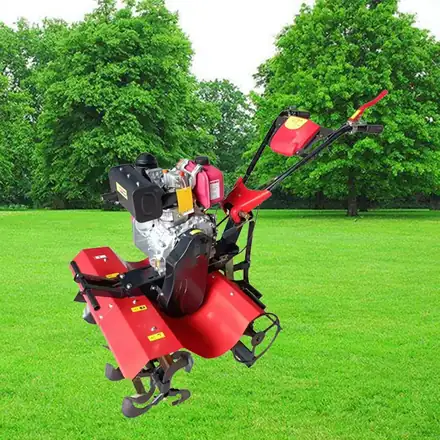
Rotary tiller for home
View Specifications →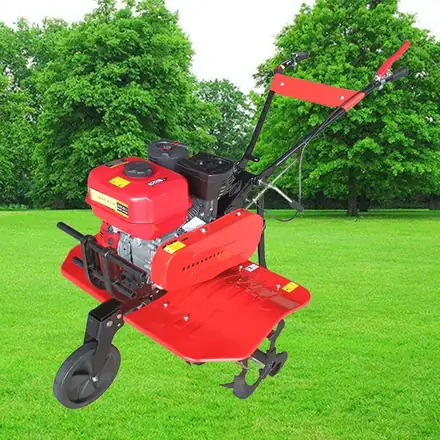
Garden cultivator
View Specifications →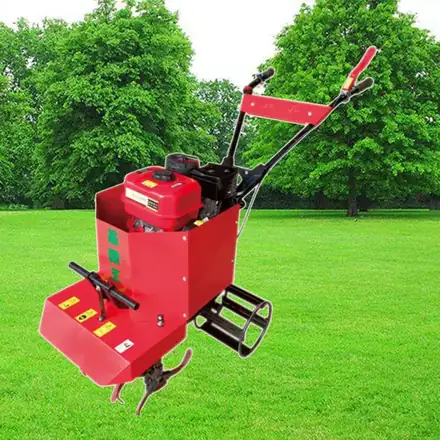
Mini cultivator
View Specifications →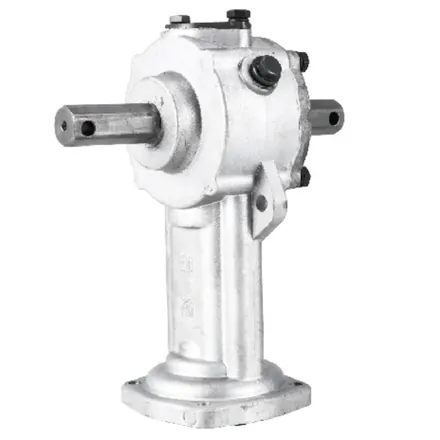
Tiller cultivator parts-gear box
View Specifications →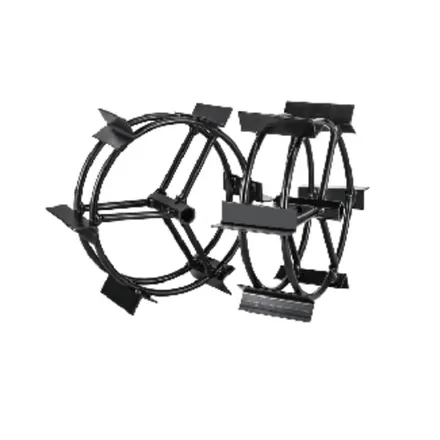
Tiller cultivator parts-paddy wheel
View Specifications →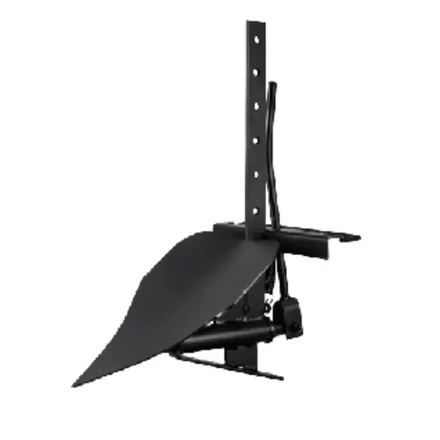
Tiller cultivator parts-ditch
View Specifications →Questions on This Guide
Is diesel always more powerful?
Diesel engines generally give more pulling power for heavy or continuous work. Whether that matters depends on how many hours a day the machine spends under load.
Which is easier to start in cold weather?
Petrol machines are generally simpler to start. On larger machines, look for electric start whichever fuel you choose.
Can I stock both from one supplier?
Yes. Comparable frames are available with petrol and diesel engines in this range, which also keeps the spare parts list manageable.
Put This Guide to Work on Your Own Order
Tell us the route, the field or the retail programme you are buying for and we will apply it to your case.