
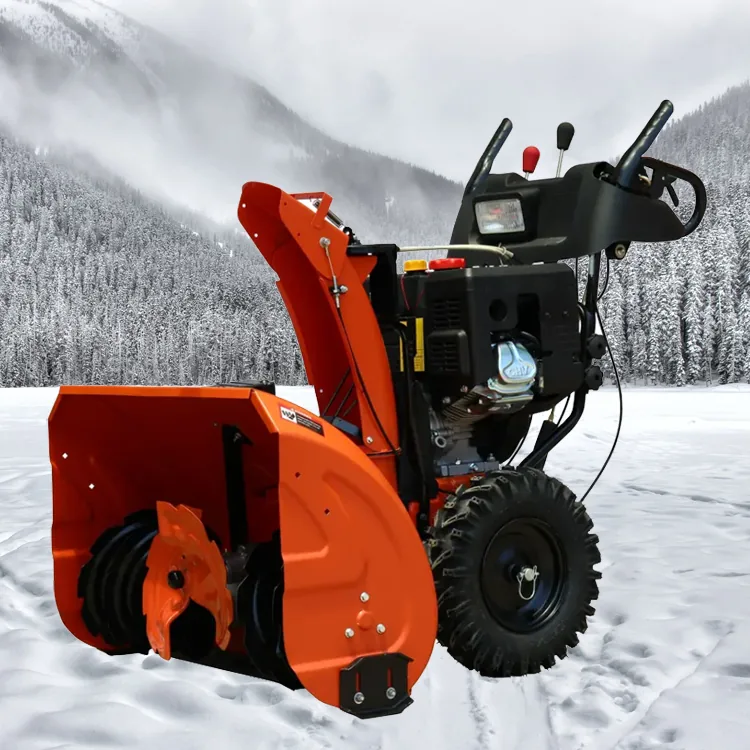
How to Choose a Snow Thrower for a Commercial Clearing Route
Clearing width, intake height and drive type decide how long a fixed route takes. Here is how to specify a machine against the route rather than against a brochure.
Start From the Route Not the Machine
Walk the route before you read a single specification. Measure the narrowest gate, bollard gap and subway entrance on it, because that dimension is the hard ceiling on clearing width. Then count the linear metres. A machine that clears 86cm covers a fixed route in fewer passes than one clearing half that, and on a route measured in kilometres the difference is a member of staff.
Intake Height Is the Specification People Forget
Clearing width is quoted everywhere. Intake height, the maximum depth the auger housing can take in one pass, is quoted less often and matters more. The hardest snow on any municipal route is the compacted ridge a carriageway plough throws across a footpath or a driveway entrance. A machine that cannot take that ridge in one pass will be lifted, reversed and re fed by an operator who is already behind schedule.
Single Stage Against Two Stage
A single stage machine uses the auger alone to both collect and throw snow. It is lighter and cheaper and it works well on dry powder. The moment the snow is wet or compacted, throwing distance collapses and the machine starts bogging. A two stage machine feeds the auger into a separate impeller, which holds throwing distance up as the load rises. For a commercial route where the snow type is not a choice, two stage is the safer specification.
Throwing Distance Decides How Many Times You Clear the Same Ground
Snow thrown ten to fifteen metres lands well clear of the path. Snow thrown three metres lands back on the lane you finished five minutes ago. On an open car park this hardly matters. On a footpath between a road and a fence it is the difference between one pass and three.
Starting and Operator Reality
Seasonal and contract staff start machines at five in the morning in sub zero temperatures. Machines specified with both manual and electric start get used; recoil only machines on a large engine generate warranty calls that are not really warranty calls at all.
Before You Order
Ask for the container loading quantity for the model you are quoting, so you can calculate freight per machine. Ask whether the model carries CE for your market, and treat silence as a no. And ask which consumable parts the machine goes through in a season, because that list is what you should be stocking alongside it.
Models This Guide Applies To
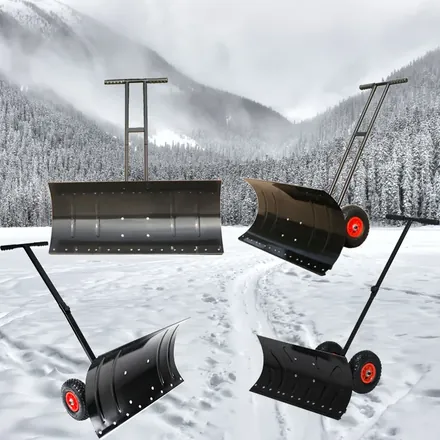
Wheels snow shovel
View Specifications →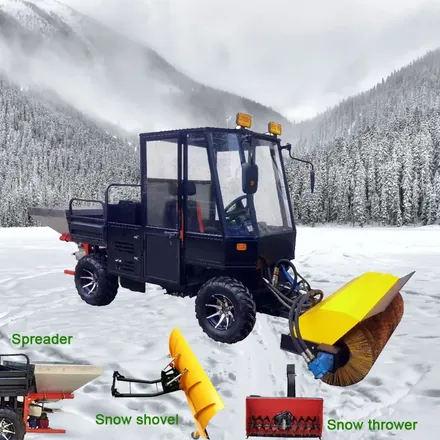
Multi-function snow plough
View Specifications →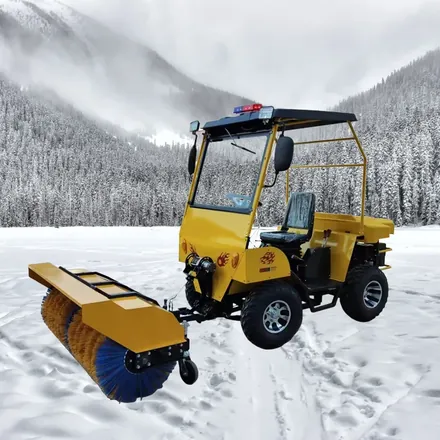
Riding snow blower
View Specifications →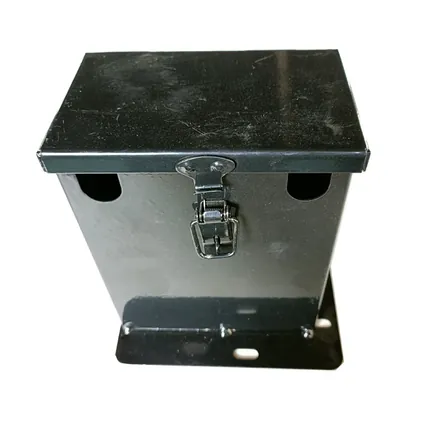
733 Snow blower parts-battery cover
View Specifications →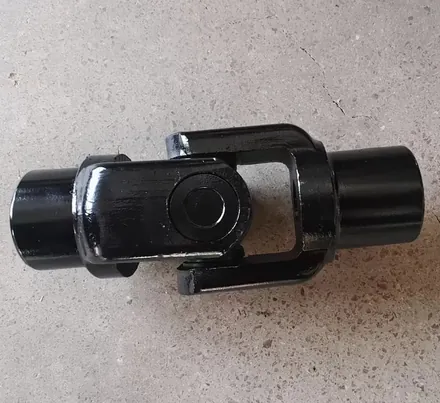
733 Snow blower parts-universal joint
View Specifications →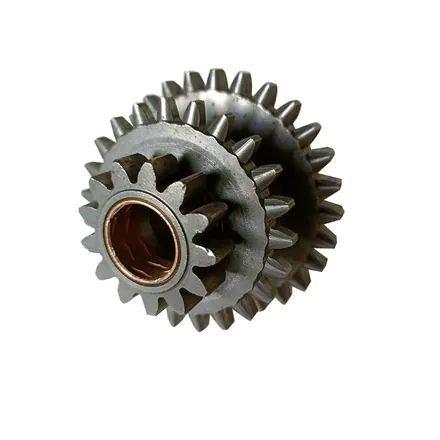
733 Snow blower parts-transmission gear
View Specifications →Questions on This Guide
Is a bigger engine always better?
No. The engine only decides whether the machine can keep doing the job. Clearing width, intake height and throwing distance decide what the job actually is.
How do I compare two machines quoted at the same price?
Put clearing width, intake height, throwing distance, drive type and starting method side by side. Those five lines explain almost every price difference in this category.
Do I need CE marking?
If you are importing into the EU, yes. Individual product pages state where a model is produced to CE standard. Ask us in writing for the model you are quoting.
Put This Guide to Work on Your Own Order
Tell us the route, the field or the retail programme you are buying for and we will apply it to your case.