
Soft Enamel vs Hard Enamel Pins
Compare soft enamel and hard enamel pin processes. See how each looks feels and performs for sports trading pins, corporate pins and collectible designs.
Soft Enamel vs Hard Enamel Pins
Two distinct processes for filling pin designs with colour. Both start with a die struck metal base, but differ in how the enamel is applied and finished. The choice affects appearance, feel, cost and production time. We use both methods based on your design and intended use.
Soft Enamel Process
Enamel is hand filled into the recessed design and baked. The metal edges remain proud of the colour, creating a tactile, slightly raised surface. The colour is durable for handling and display but can be scratched if exposed to hard abrasion. This method is faster and less expensive than hard enamel.
Hard Enamel Process
After hand filling and baking, the enamel is ground flat and polished to a smooth surface. The colour sits flush with the metal, giving a sleek, high-gloss finish. This method requires more time and labour, so it costs more and takes longer. It feels more premium and resists scratches better.
Visual and Tactile Differences
Soft enamel pins show the metal outline clearly, with a slight ridge around the colour. Hard enamel pins have a smooth, even surface where the colour and metal are level. The soft version feels textured under the fingertip; the hard version feels flat and glassy.
Cost and Lead Time Trade-Offs
Soft enamel is faster to produce and lower in cost. Hard enamel adds polishing and grinding steps, increasing both time and price. For small runs or time-sensitive orders, soft enamel is more efficient. For high-end collectibles or long-term display, hard enamel offers better durability.
Best Use Cases
Soft enamel suits sports trading pins, corporate employee pins, and collectible pins where quick turnaround and lower cost are priorities. Hard enamel is better for premium collectibles, limited edition pins, and corporate awards where a polished, scratch-resistant finish is required.
Designs This Guide Applies To
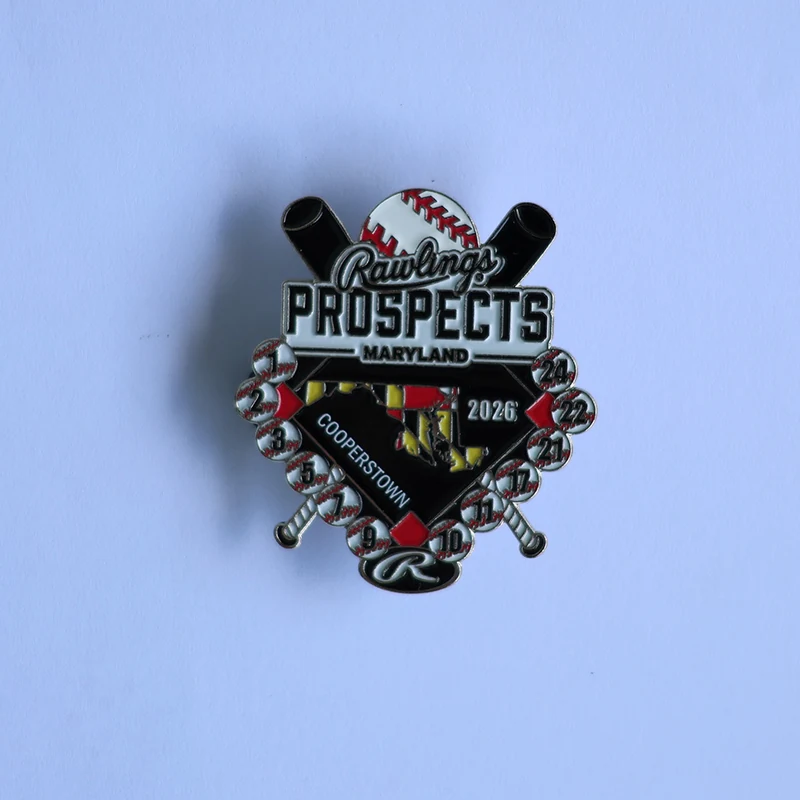
Rawlings Prospects Maryland 2026 Cooperstown Baseball Trading Pin | Custom Youth Team Enamel Pin
View details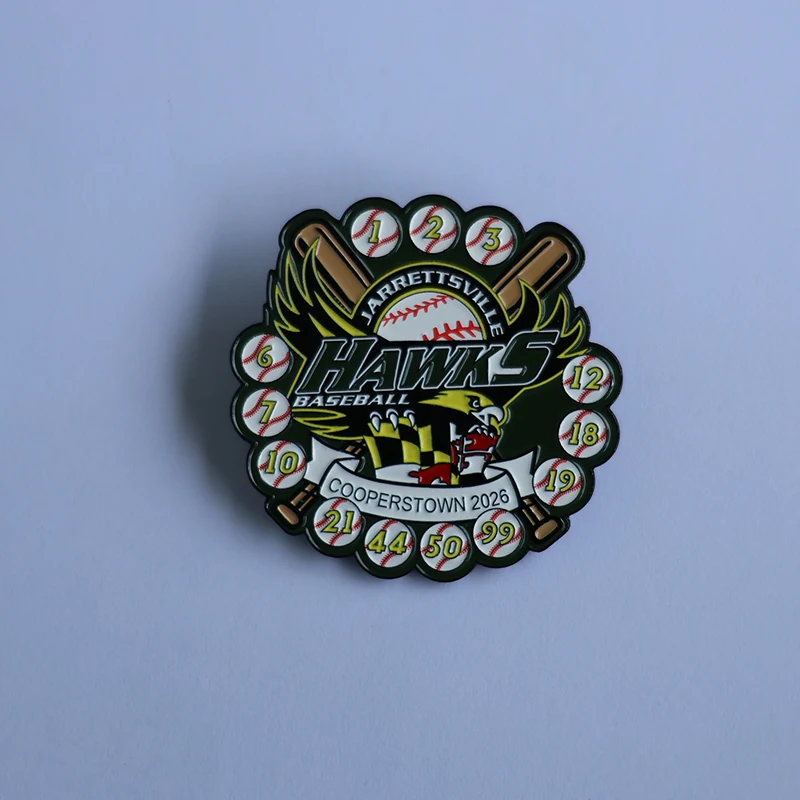
Jarrettsville Hawks 2026 Cooperstown Custom Baseball Trading Pin | Youth Sports Enamel Pin
View details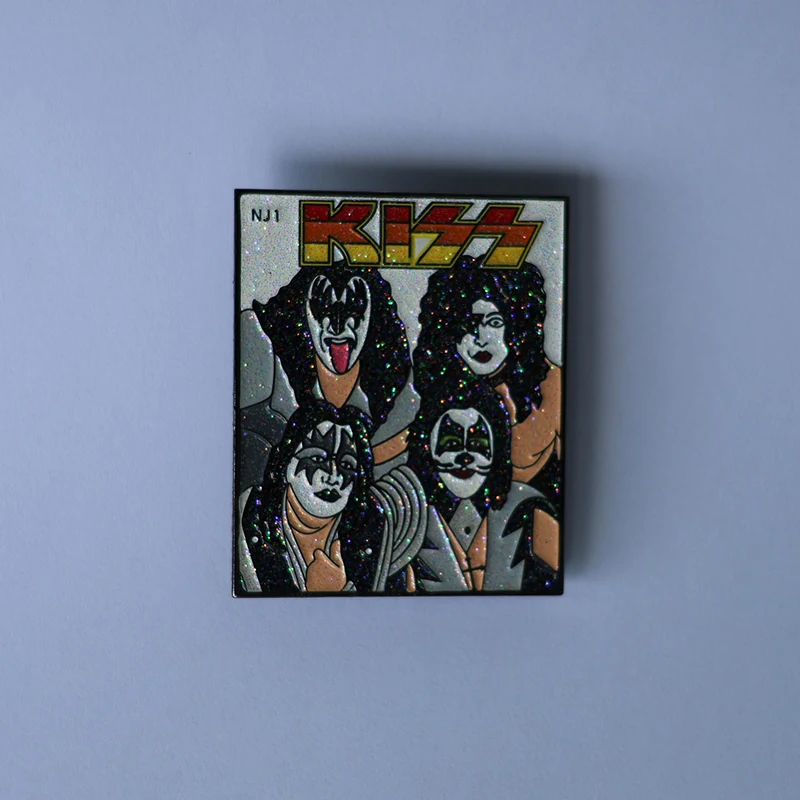
KISS Band Retro Glitter Enamel Pin | Classic Rock Collectible Lapel Pin
View details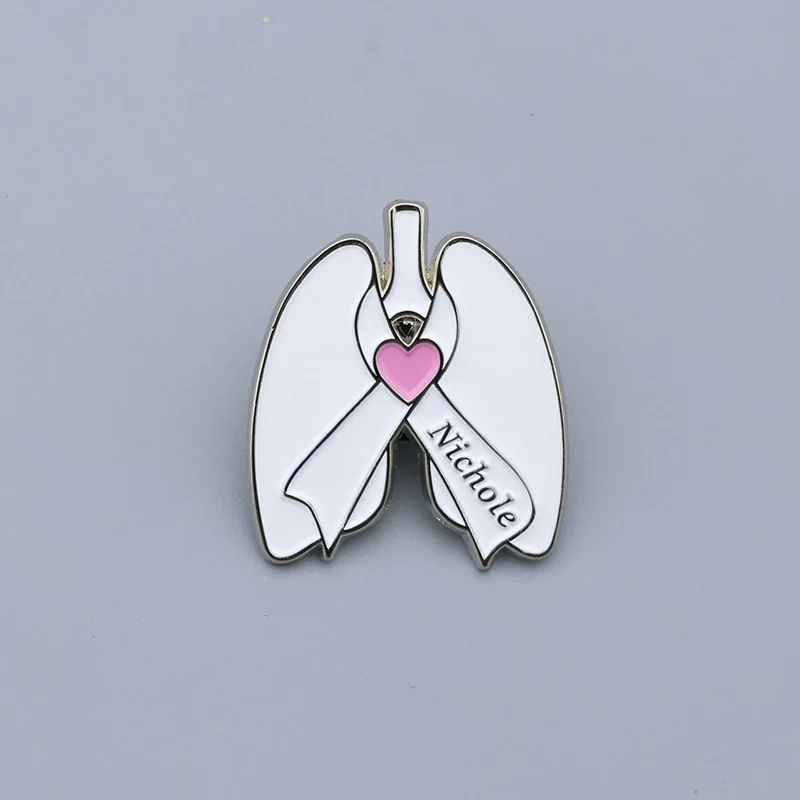
Custom Lung Cancer Awareness Enamel Pin with Personalized Name | White Ribbon Lung Organ Lapel Pin
View detailsCustom Lapel Pins
Custom lapel pins made to your artwork using soft enamel fill and die struck metal, supplied with your choice of attachment and finish.
Youth and School Sports Programs
Custom trading pins place medals with ribbons and team patches for youth and school sports programs in baseball softball lacrosse...
Tournaments and Trading Pin Programs
Custom trading pins and event patches for youth and travel tournaments, made to your artwork and delivered on schedule.