
Guide to Pin Attachments and Backings
Learn when to use butterfly clutch, rubber clutch, magnetic backing, safety pin, screw post, or deluxe locking clutch for your custom pins. Practical guidance on performance and failure points.
Butterfly clutch is the standard attachment
Butterfly clutch is the standard attachment for soft enamel and printed pins, offering a secure hold with a spring-loaded hinge. It is suitable for lightweight to medium-weight pins and is commonly used in corporate and promotional items.
Rubber clutch provides a tighter grip
Rubber clutch provides a tighter grip than butterfly clutch and is ideal for pins with heavier enamel fills or larger diameters. It reduces the chance of the pin coming loose during wear but may wear out faster with repeated use.
Deluxe locking clutch adds a secondary
Deluxe locking clutch adds a secondary locking mechanism to the butterfly clutch, preventing accidental opening. It is recommended for high-visibility or high-usage applications such as event badges, military insignia, and fan merchandise.
Magnetic backing is used for pins
Magnetic backing is used for pins that need to be attached to metal surfaces without piercing fabric. It is suitable for lightweight pins and avoids damage to clothing, but it may not hold securely on thick or non-magnetic materials.
Safety pin is a simple, low-cost
Safety pin is a simple, low-cost option for lightweight pins. It is not recommended for frequent wear or heavy use, as the pin can bend or come loose during handling.
Screw post is used for heavy
Screw post is used for heavy or thick pins where a secure, permanent attachment is needed. It requires a threaded hole in the pin back and is common in challenge coins and premium award medals. It does not allow for easy removal but provides the most stable hold.
Designs This Guide Applies To
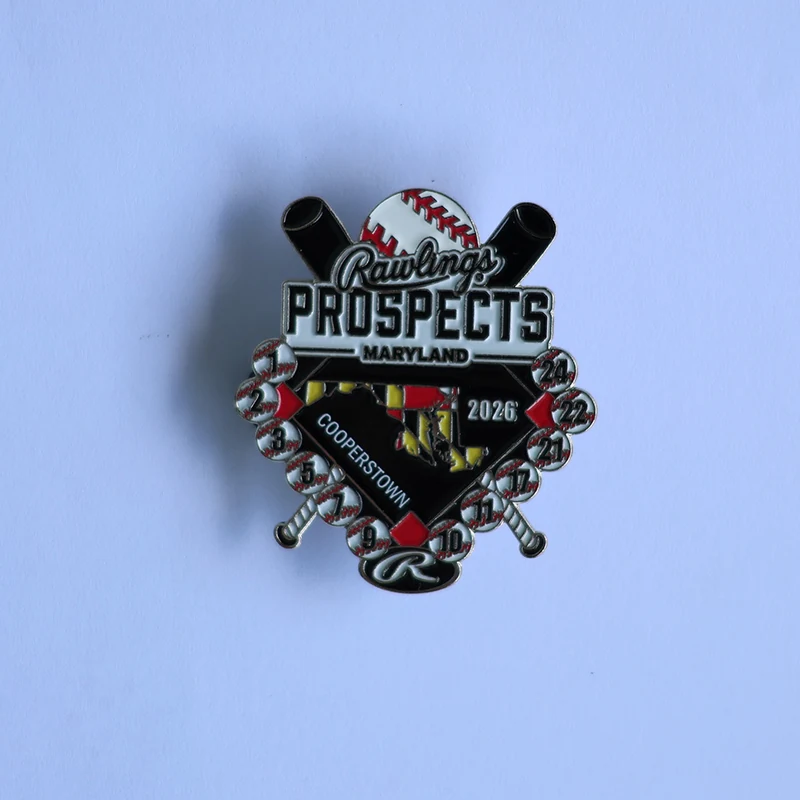
Rawlings Prospects Maryland 2026 Cooperstown Baseball Trading Pin | Custom Youth Team Enamel Pin
View details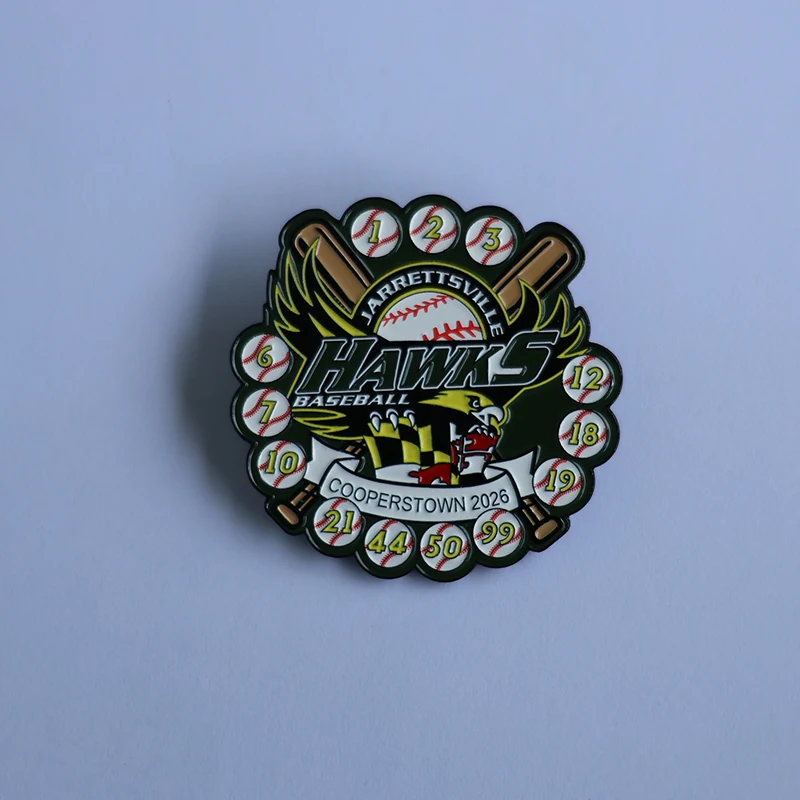
Jarrettsville Hawks 2026 Cooperstown Custom Baseball Trading Pin | Youth Sports Enamel Pin
View details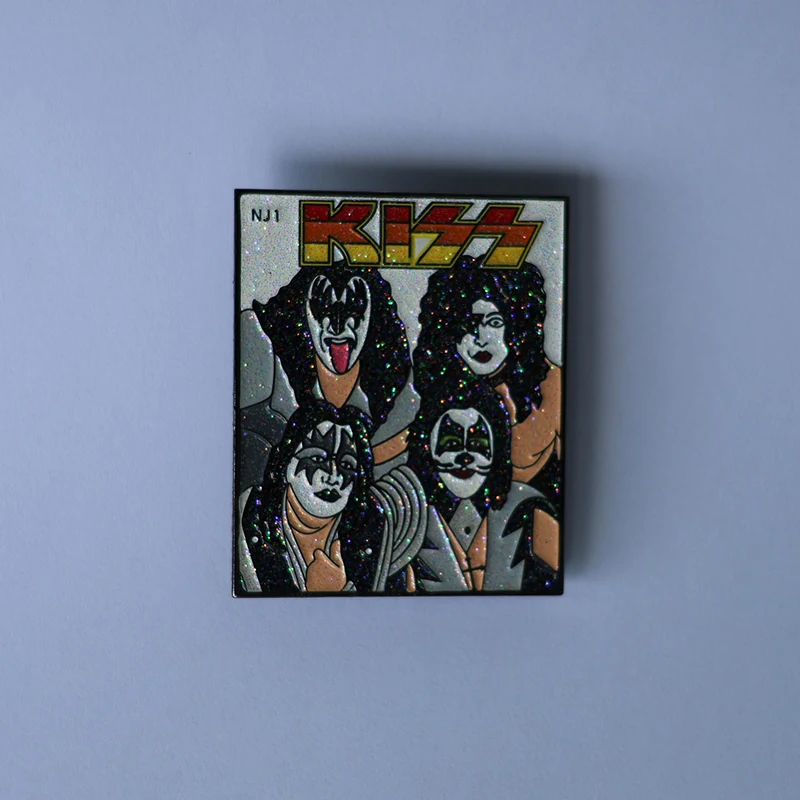
KISS Band Retro Glitter Enamel Pin | Classic Rock Collectible Lapel Pin
View details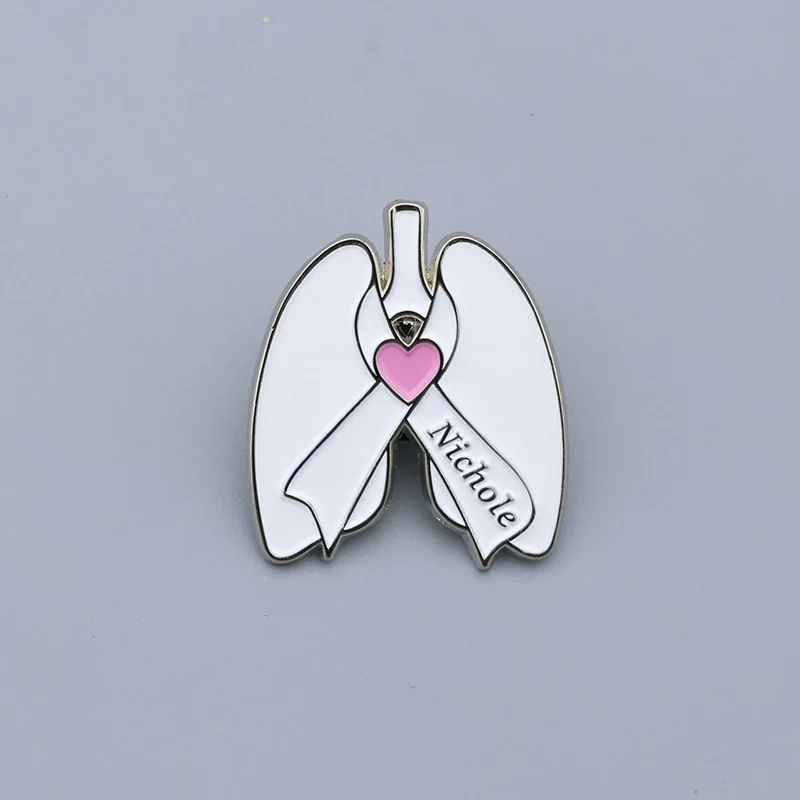
Custom Lung Cancer Awareness Enamel Pin with Personalized Name | White Ribbon Lung Organ Lapel Pin
View detailsCustom Lapel Pins
Custom lapel pins made to your artwork using soft enamel fill and die struck metal, supplied with your choice of attachment and finish.
Youth and School Sports Programs
Custom trading pins place medals with ribbons and team patches for youth and school sports programs in baseball softball lacrosse...
Tournaments and Trading Pin Programs
Custom trading pins and event patches for youth and travel tournaments, made to your artwork and delivered on schedule.