
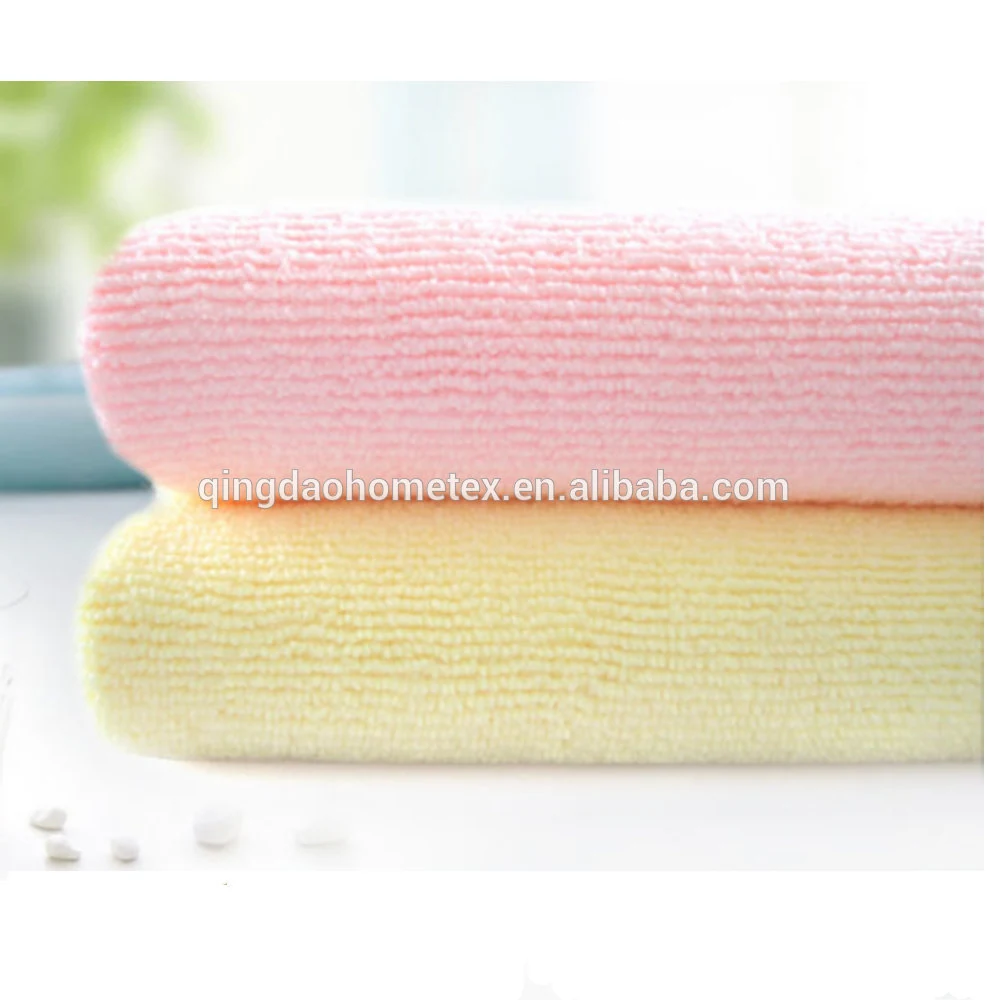
Microfiber Or Cotton For A Beach Towel Range
The two materials suit different business models. The decision usually comes down to freight, artwork and what the customer expects to feel.
Weight and freight
Microfiber towels are lighter than cotton at the same finished size. On a direct to consumer range where you pay the parcel cost on every order, that difference lands in the margin on every single sale, not just in the container cost.
Artwork freedom
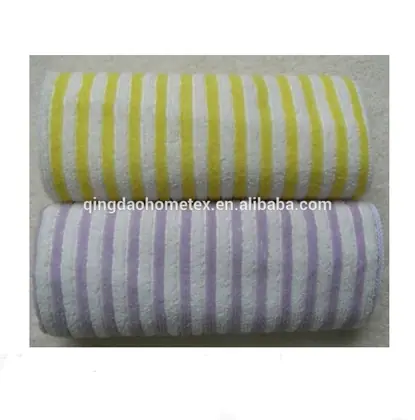
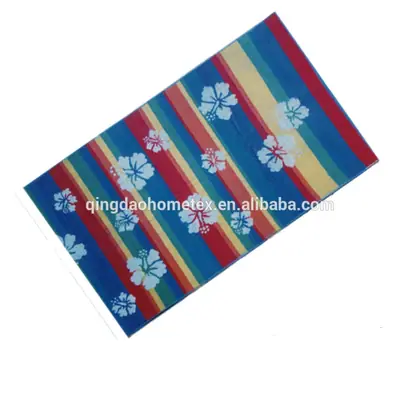
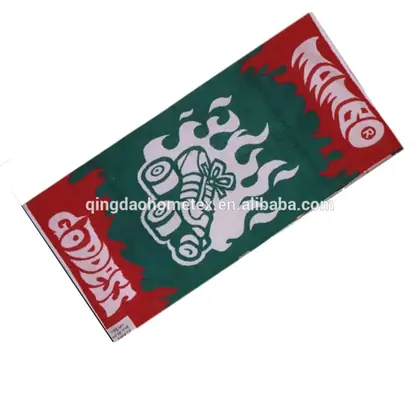
Microfiber takes full surface printing, including photographic images and gradients edge to edge. A cotton towel carries print well but a woven jacquard is limited by yarn colours. If the design is the product, microfiber removes the constraint.
What the customer expects to feel
Cotton is what most retail buyers and their customers expect a beach towel to feel like. Microfiber is thinner and smoother. It is chosen for performance and artwork rather than hand feel, and a range that positions itself on luxury is usually cotton.
Drying and sand
Microfiber dries faster and releases sand more easily from its flat face than a deep cotton pile does. For travel, sports and packable ranges this is the whole argument. For a sun lounger towel that stays on the lounger, it matters less.
Carrying both in one range
Many ranges carry both: cotton for the core retail beach towel and microfiber for the travel or performance line. Both can be produced on one order and shipped in one consignment, which keeps the supplier count down.
Where This Applies In Our Range
Quick Answers
Which is cheaper to ship?
Which lasts longer?
Can I order both on one purchase order?
Have A Specification To Check
Send it over and we will tell you plainly whether it will do what you need, and what to change if it will not.