
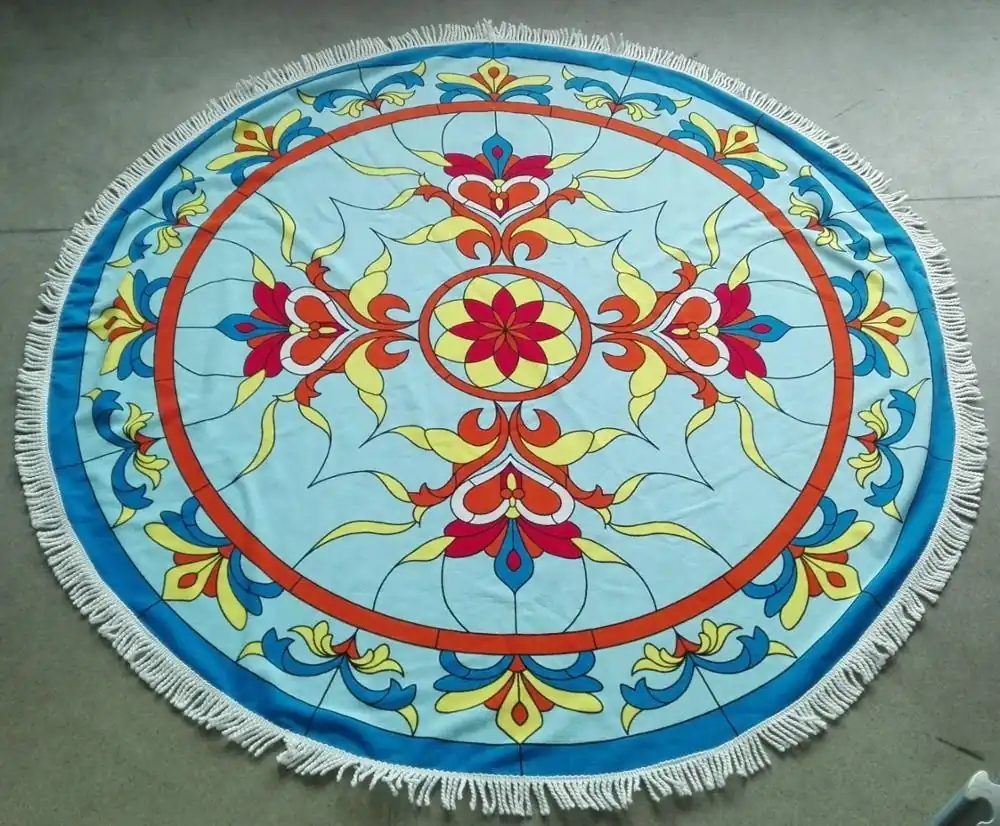
Custom Jacquard and Print Development
Turning artwork into a weave a print or an embroidery
Why This Programme Exists
The same artwork behaves differently in a jacquard weave, a reactive print and an embroidery. Most disappointing samples come from choosing the method before looking at the design, so this programme starts by matching the artwork to the process it will survive in.
The 8 Stages And What Goes Wrong At Each One
Each stage names the risk before it names the answer, because that is the order a buyer meets them in.
Artwork review
Problem. Fine detail, gradients and colour counts behave very differently across the three methods.
How we handle it. We look at your file first and say plainly which method will reproduce it and which will lose it.
Method selection
Problem. Jacquard lasts longest, print carries the most detail, embroidery reads as the most premium.
How we handle it. The choice is made against how the towel will be used, not only how the artwork looks on screen.
Colour separation
Problem. A woven design is limited by the number of yarn colours on the loom.
How we handle it. The artwork is separated into the yarn colours the design needs, and we tell you where a colour has to be merged.
Lab dip
Problem. Cotton takes colour differently from paper and screen.
How we handle it. Each yarn colour is dyed and approved physically before the design is set up.
Sample production
Problem. A woven sample shows the pattern scale, which a screen preview cannot.
How we handle it. A physical sample is produced in 10 days so you can judge scale, hand feel and colour together.
Correction round
Problem. Scale and colour are usually adjusted once after the first sample.
How we handle it. We adjust and reissue before bulk rather than discovering the problem in production.
Bulk set-up
Problem. A pattern that runs well on a sample loom still has to run at volume.
How we handle it. The approved design is set up for bulk, with the first production pieces checked against the signed sample.
Archive
Problem. Repeat designs should not be redeveloped.
How we handle it. The approved design, colour separation and lab dip are kept against your order reference for reorders.
What You Get At The End
- Artwork is matched to the process that will carry it
- Colour is approved on dyed cotton rather than on a screen
- Pattern scale is judged on a physical sample before bulk
- Repeat designs are reproduced from an archived reference
Categories This Programme Covers
Beach Towels
Woven, printed and jacquard beach towels for seasonal retail and resort ranges
Promotional Towels
Logo towels and giveaway ranges built to a fixed budget and event date
Kids and Baby Towels
Hooded towels, ponchos and baby sets in 100% cotton
Kitchen Towels
Cotton kitchen and tea towels for household and promotional ranges
Styles Produced Under This Programme
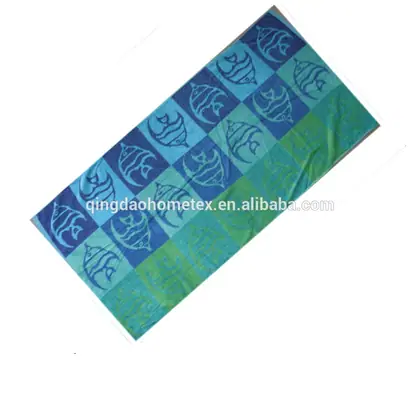
100% Cotton Fish Design Jacquard Beach Towel
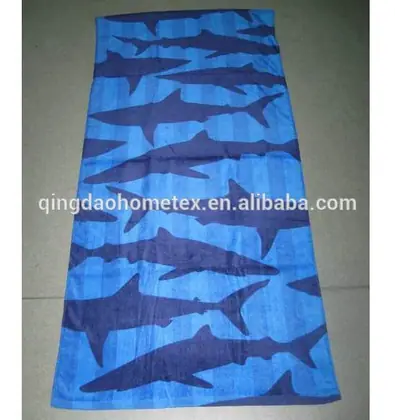
100% Cotton Blue Dolphin Reactive Printed Beach Towel
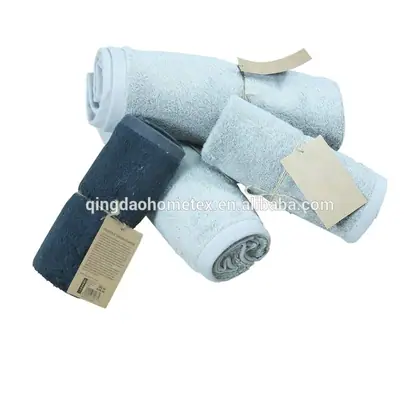
100% Cotton Plain Colour Terry Promotional Bath Towel
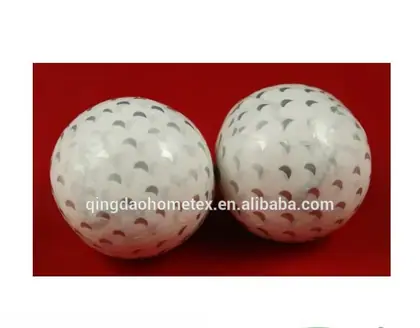
Cotton Compressed White Ball Towel Portable for Journey
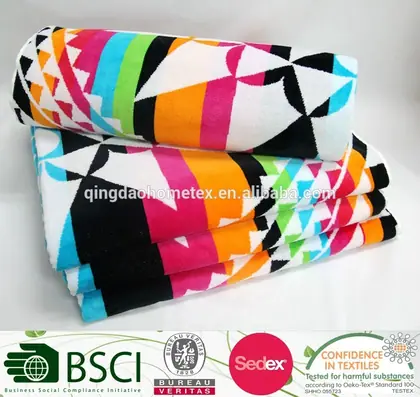
Cotton Luxury Yarn Dye Jacquard Velour Bath Towel
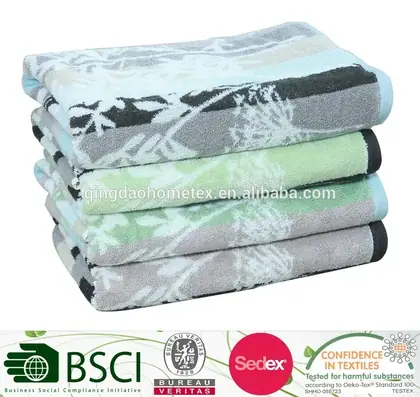
Manufacturer Cheap Price Yarn Dye Jacquard Bath Towel
Questions About Custom Design Development
Which method should I choose for a photographic design?
How many colours can a jacquard design use?
Can you scale my logo to fit different towel sizes?
What file format do you need?
How many sample rounds are normal?
Start With A Specification Not A Catalogue
Send what you need to end up with. We will map it onto the stages above and tell you what has to be decided first.