

Quality Control and Compliance
The checks that stand between a lab dip and a container
Why This Programme Exists
Most towel complaints trace back to three things: the shade drifted, the weight dropped, or the documents did not arrive. This programme sets out where those are caught, so you know which stage protects which risk.
The 8 Stages And What Goes Wrong At Each One
Each stage names the risk before it names the answer, because that is the order a buyer meets them in.
Yarn selection
Problem. Yarn count sets the pile density and the hand feel before anything else happens.
How we handle it. 16s, 21s, 21s/2 and 32s/2 are selected against the weight and feel you approved on the sample.
Lab dip approval
Problem. Colour approved on a screen is not colour approved.
How we handle it. A physical lab dip is matched to your Pantone reference or swatch and signed before bulk dyeing.
Dyeing and AZO free testing
Problem. Restricted substances are a market access issue, not a quality preference.
How we handle it. Dyestuffs are AZO free to USA and EU market standard, under Oeko-Tex Standard 100.
Weaving
Problem. Pattern register and pile height are set on the loom.
How we handle it. Production pieces are compared against the approved sample as the run starts, not after it finishes.
Washing and finishing
Problem. Finishing decides absorbency and the dimension after wash.
How we handle it. Finishing runs to the approved sample so the dimensions you signed are the dimensions delivered.
Weight verification
Problem. GSM drift is the most common silent defect in towel supply.
How we handle it. Finished pieces are weighed against the approved specification before packing.
Pre-shipment inspection
Problem. The last chance to catch a problem is before the carton is sealed.
How we handle it. Finished goods are inspected against the approved production sample and the packing list.
Documentation
Problem. A shipment without its certificates is a shipment that waits.
How we handle it. Oeko-Tex Standard 100 evidence and the commercial documents are prepared with the shipment.
What You Get At The End
- Colour is fixed at the lab dip stage, before any bulk dyeing
- Weight is verified against the approved sample before packing
- Restricted substance requirements are covered by AZO free dyestuffs and Oeko-Tex Standard 100
- BSCI and SEDEX cover the social audit requirements of group buyers
Categories This Programme Covers
Hotel Towels
White hotel towels and linen built for industrial laundry cycles
Bath and Hand Towels
Everyday bath, hand and face towels for home textile ranges
Kids and Baby Towels
Hooded towels, ponchos and baby sets in 100% cotton
Beach Towels
Woven, printed and jacquard beach towels for seasonal retail and resort ranges
Styles Produced Under This Programme


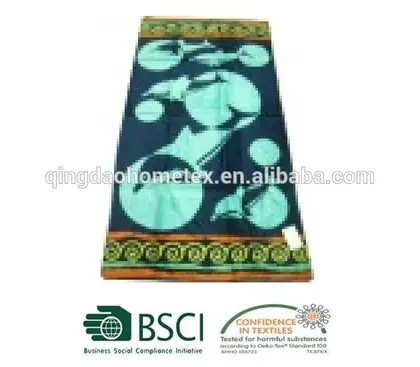

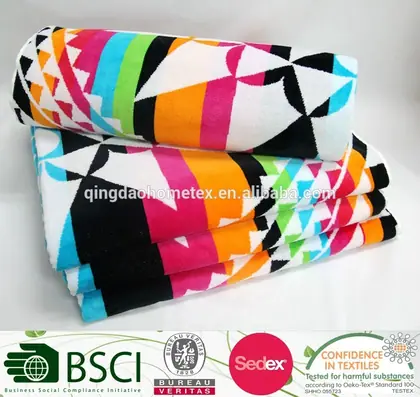
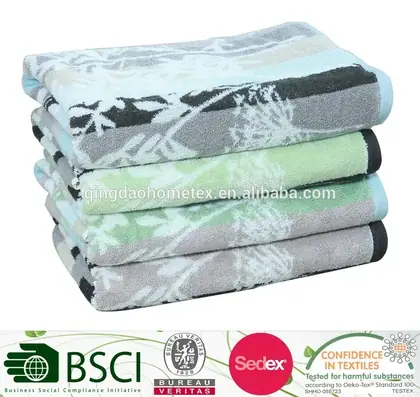
Questions About Quality and Compliance
Which certifications do you hold?
How is colour consistency controlled between orders?
What happens if the delivered weight is under specification?
Do you support third-party inspection?
Are your dyes safe for baby products?
Start With A Specification Not A Catalogue
Send what you need to end up with. We will map it onto the stages above and tell you what has to be decided first.