Inspect the Collar Fit on the Shell
Hold the pump and shell together and rotate the collar. It should seat evenly around the shoulder with no visible gap or tilt. A misaligned collar indicates a shell mouth that is out of round or inconsistent crimping. Note the sample number and SKU, as this helps the factory trace whether the issue is in one part or a batch-wide tooling problem.
Test the Pump Action for Consistency
Prime the pump and work it ten times. Watch for uneven spray, resistance that increases, or liquid leaking from the collar. Use water for the first test to isolate mechanical issues from formula compatibility. A pump that fails under repeated use may not survive shipping or consumer handling.
Check Cap Retention Under Stress
Push the cap on and pull it off ten times. It should stay secure when the sample is inverted and shaken. If the cap loosens or falls off, it may not hold during transit or in a handbag. This is a functional failure that must be corrected before production.
Examine the Band and Edge Finish
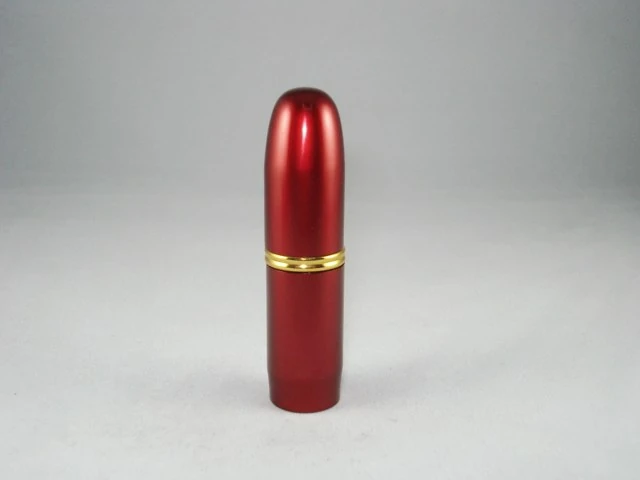
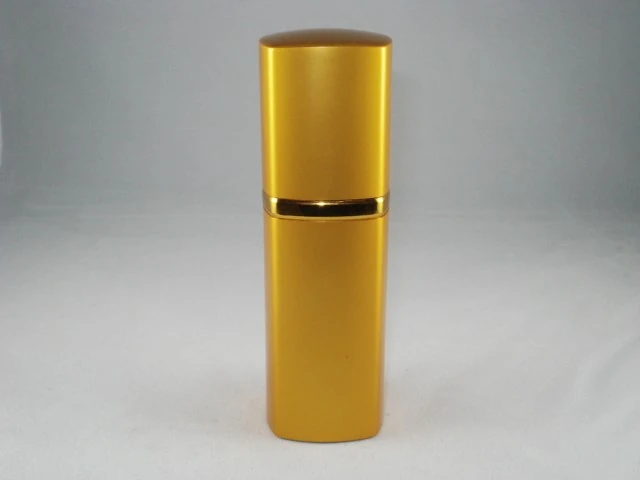
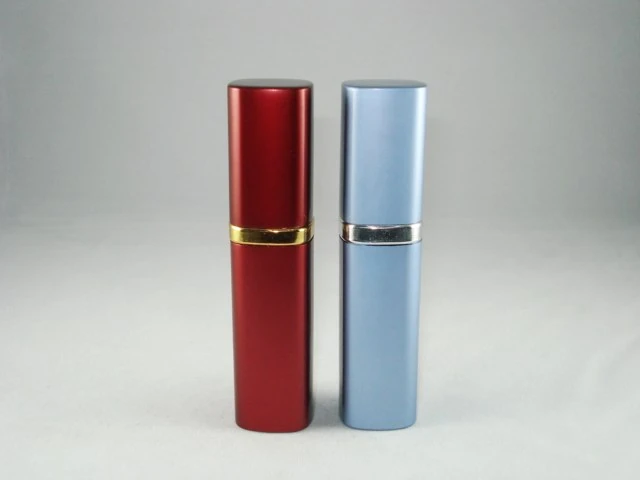
On anodized shells, inspect the edge where the decorative band meets the body. Look for colour variation, chipping, or uneven oxidation. On UV-coated plastic, check for surface defects like orange peel or thin coating in held areas. These are signs of process inconsistency, not just appearance.
Verify No Leaks After Pumping
After working the pump, hold the sample upright and check the collar and base for moisture. A single drop indicates a seal failure. Even small leaks can lead to customer complaints and product returns. Document the leak location and sample number for the factory to investigate.
Document Faults with Clear Photos and Labels
Take a wide shot and a close-up of any fault, with the SKU code and sample number visible. Use daylight and include a scale reference. A photo with a clear label is faster for the factory to act on than a written description. Attach a physical sample if the issue is not visible in images.
Send One Clear Decision Back
Return the sample with a single instruction: approved, approved with a change, or rejected. Avoid splitting feedback across multiple messages. A single clear decision speeds up tooling fixes and production scheduling. The factory can only act on what is clearly stated.