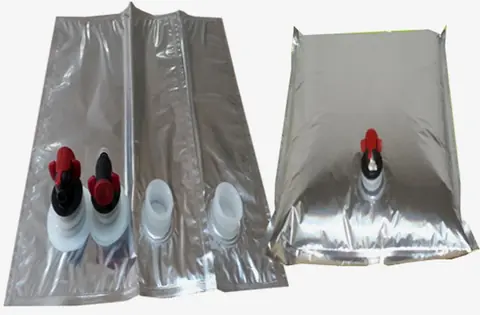
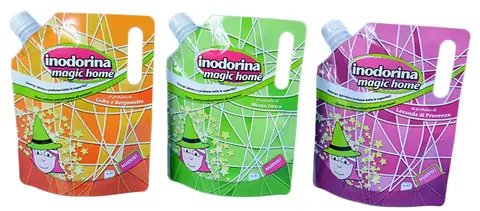
Spout Pouches and Bag in Box

Product Families
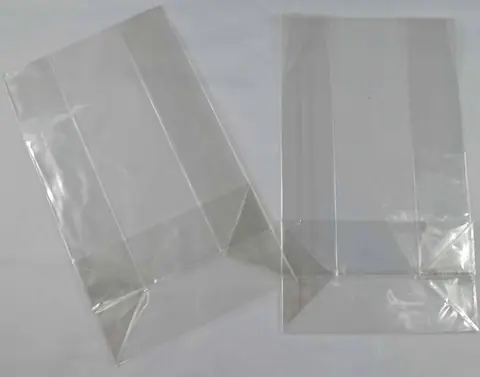 Block Bottom BOPP Bags3 formats
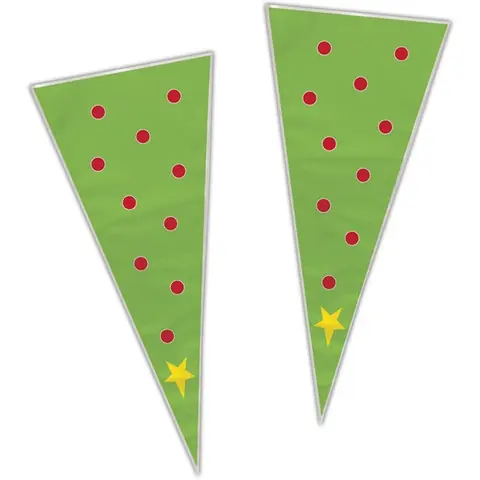 BOPP Cone and Candy Bags8 formats
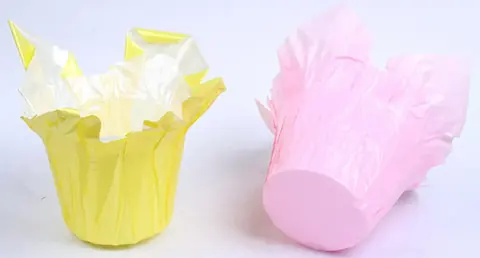
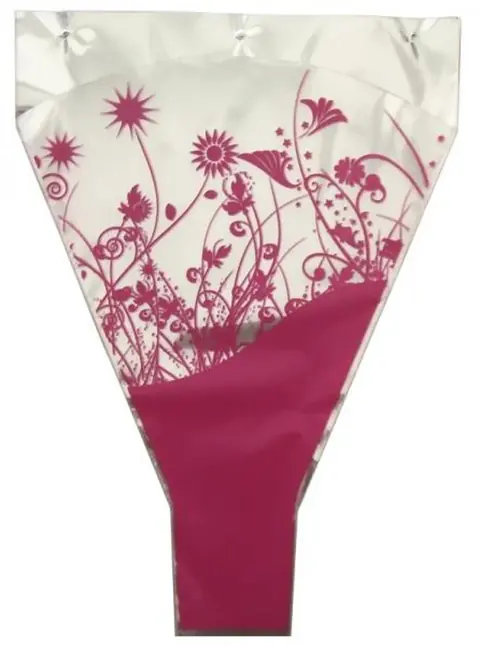
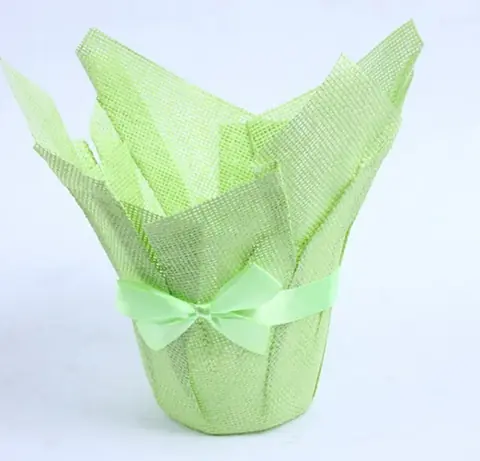 Flower Wrapping Sleeves and Pot Covers9 formats
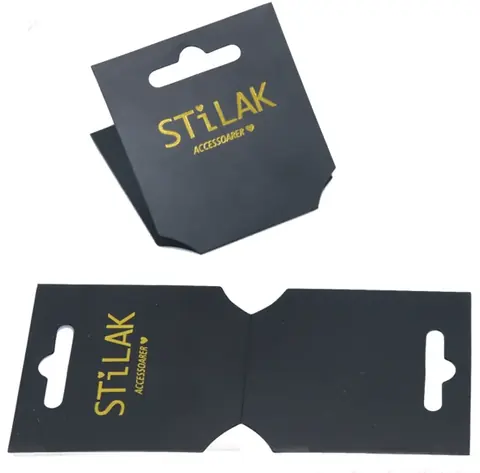 Jewelry Packing Cards and Hang Tags3 formats
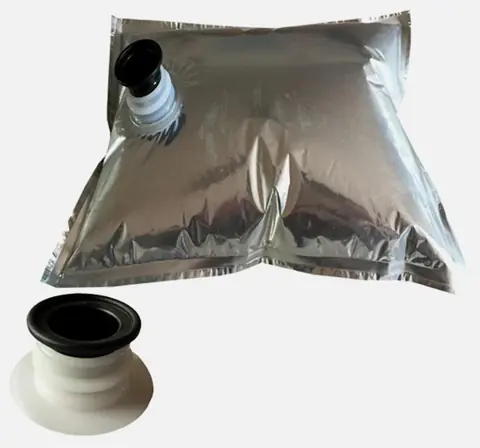
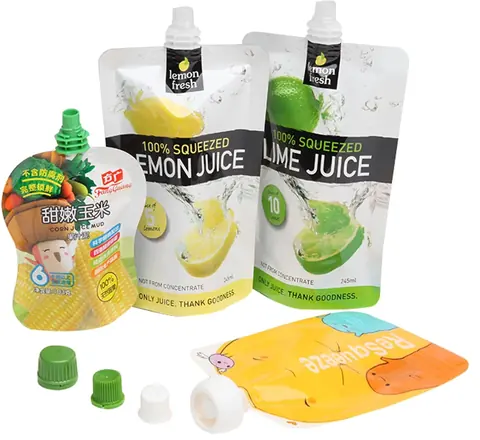
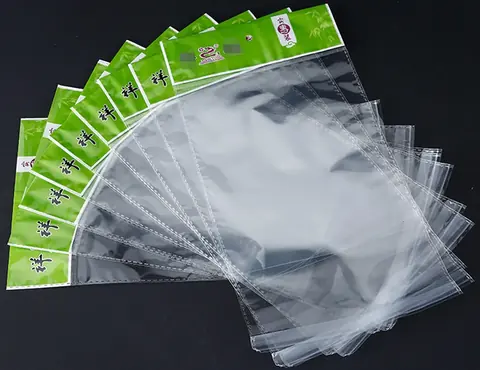
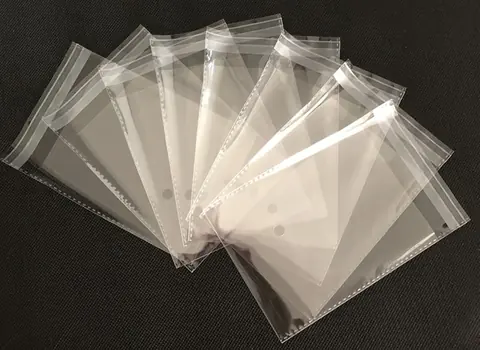 OPP and BOPP Bags11 formatsSpout Pouches and Bag in Box8 formats
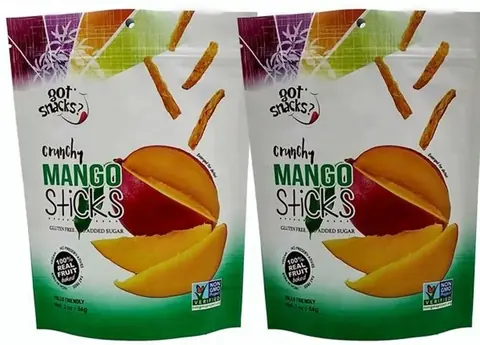
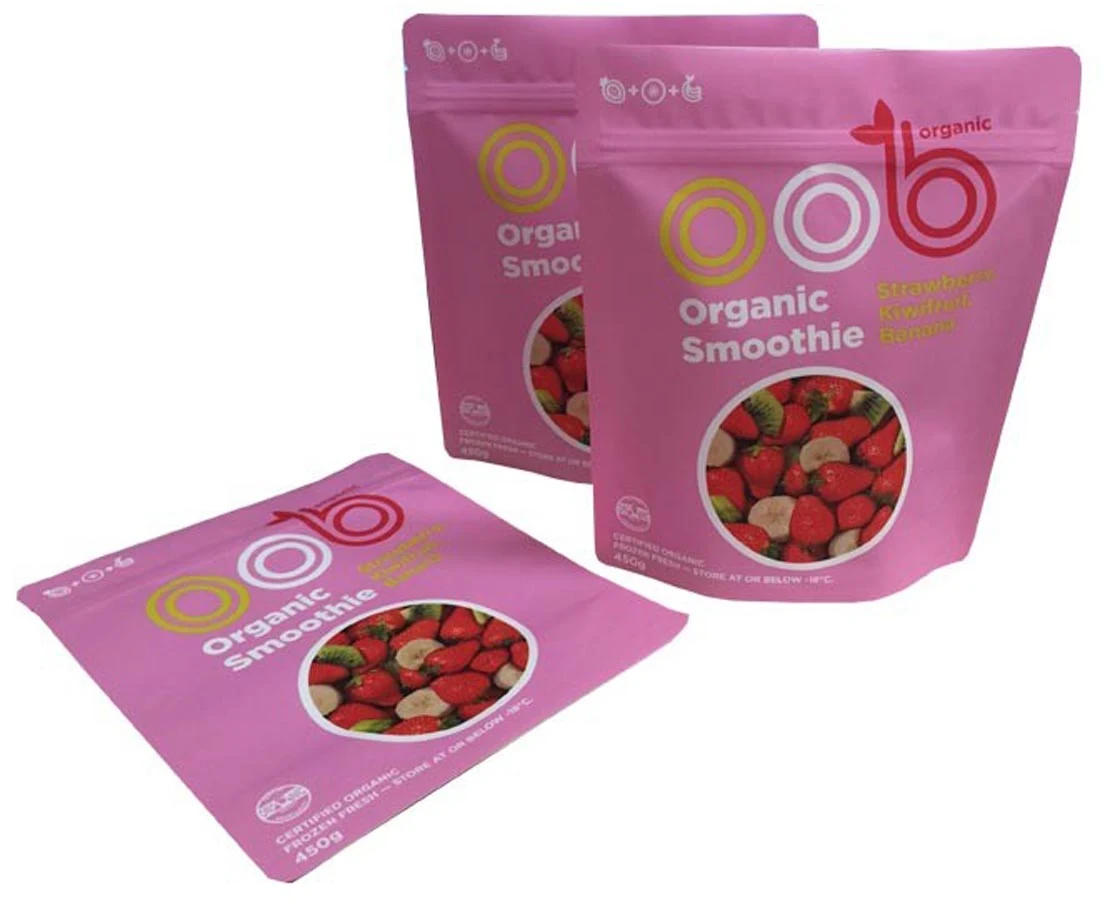
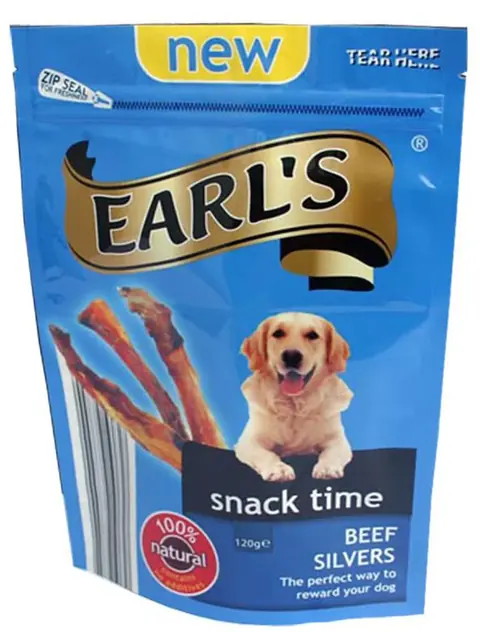 Stand Up Pouches6 formats
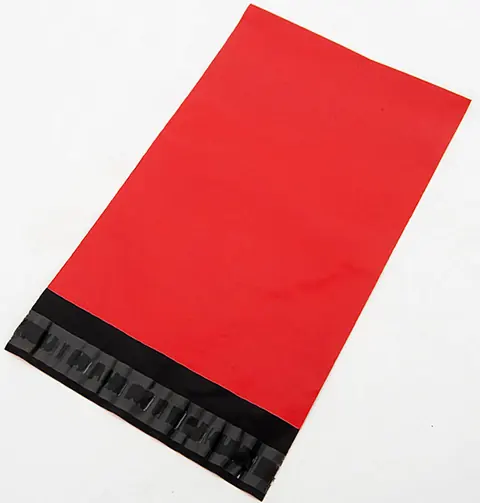
 Poly Mailers and Courier Bags4 formats
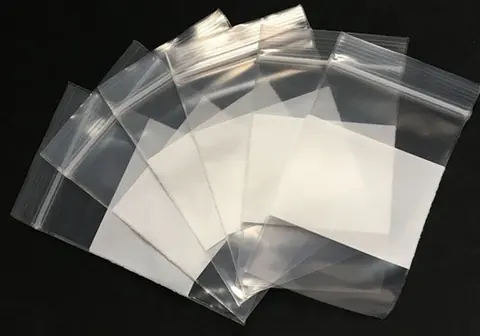
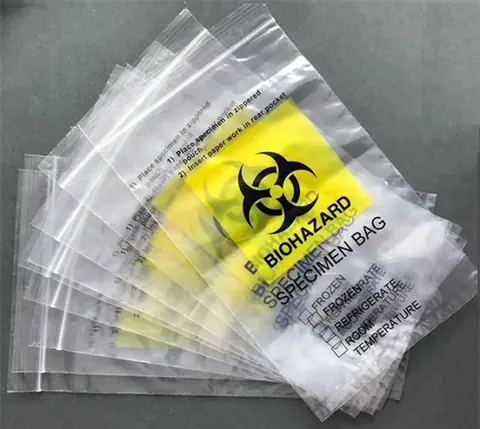 Ziplock Bags10 formats
Industries
Knowledge Centre
How to pick the film structure for a pouch when shelf life, fill temperature and the product itself all pull in different directions.
A pouch is a stack of films, and each layer is there for a reason. Getting the stack wrong is the most expensive mistake in flexible packaging because it shows up months later as a product that oxidised, a seal that opened in the retort or a pack that cracked along a fold. This page explains the layers we work with and what each one buys you, so the structure on your quotation is a decision rather than a default.
An RCPP sealant structure such as PET/AL/NY/RCPP or PET/AL/PET/RCPP. Standard LDPE sealants are not specified for retort.
Foil gives the highest oxygen and light barrier and full opacity. VMPET is a metallised polyester that gives a lighter barrier at lower cost and lower weight.
Where the pack is handled, folded or contains something with edges. Nylon adds puncture resistance and flex crack resistance, which is why it appears in PET/NY/LDPE and foil structures.
EVOH is used as a barrier layer of composite film and can be coextruded with polyolefin or polyamide, which keeps the pack clear where foil would not.
All materials used in production including film, ink and injections are food grade. Tell us which market documentation you need when you place the order.
Documented ranges include 20 to 100 microns on flower sleeve film and 17 to 58 micron on OPP and BOPP bags. The right thickness depends on the format and the pack weight.
Send what you know: format, volume, product, colours, quantity, port. We will fill the gaps and quote against it.