

Process Guide
Dry Lamination / Solventless Lamination
Dry vs solventless lamination for composite film: substrate range, barrier uses, and why 100 percent binder needs no drying step.
What Dry Lamination Does
Composite process is an important means for manufacturing composite film materials based on plastic films. Common methods are dry compounding, extrusion compounding, wet compounding, co-extrusion compounding and thermal compounding. In China dry compounding and extrusion compounding are the most widely used.
Where Composite Film Is Used
Plastic packaging has been widely used since the 1990s. In some developed countries the amount of plastic packaging has reached 44 percent of the total packaging materials. Composite materials based on plastic films have become indispensable materials for modern commodity packaging.
Why Dry Lamination Is Specified
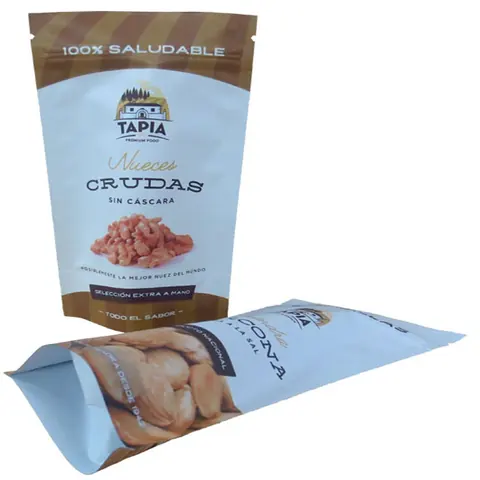
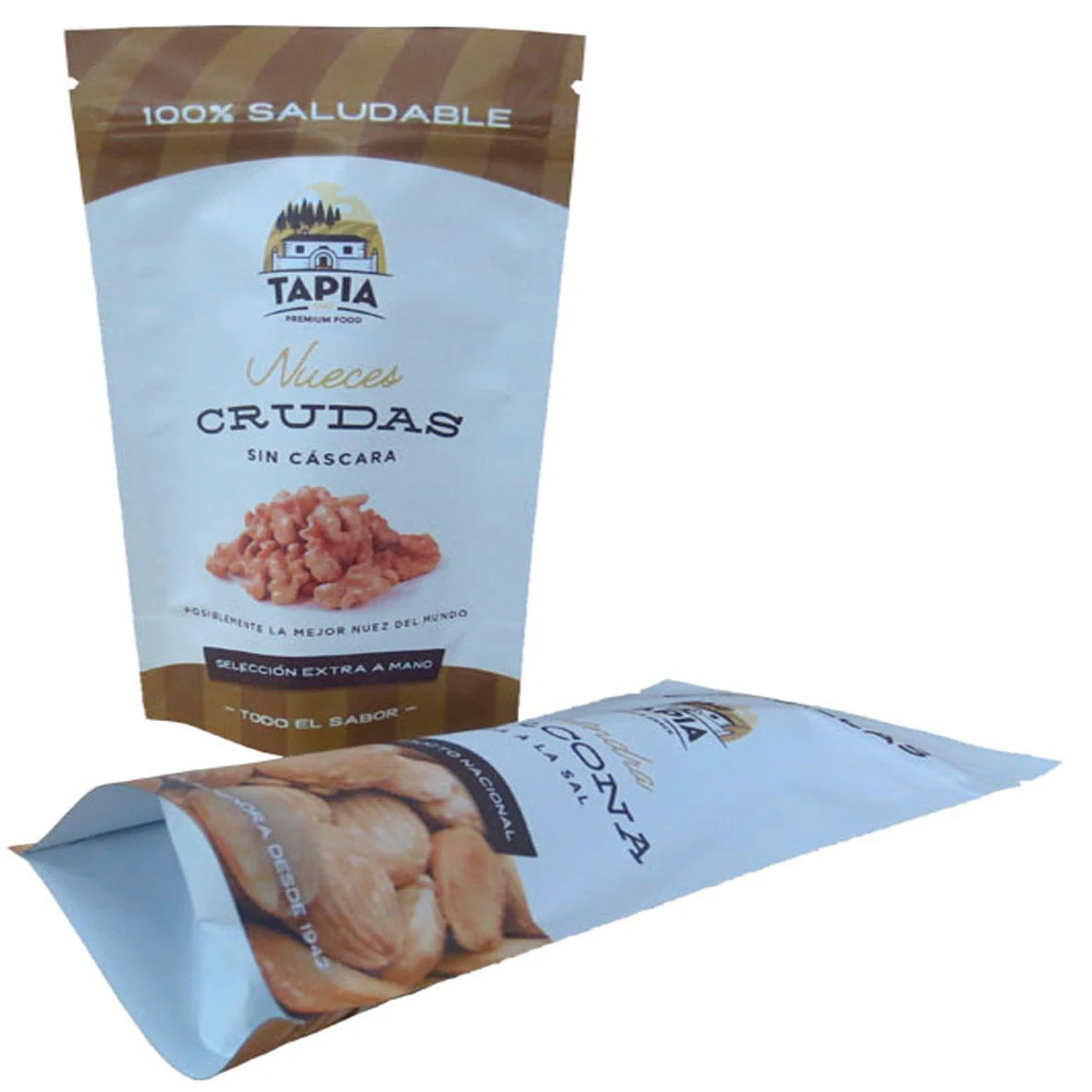
Dry compounding covers a wide substrate range and diverse product structures. The composite material has high adhesive strength and high barrier properties. It is suitable for high temperature cooking, vacuum, low temperature refrigeration, preservation, color retention, taste protection and other broad areas.
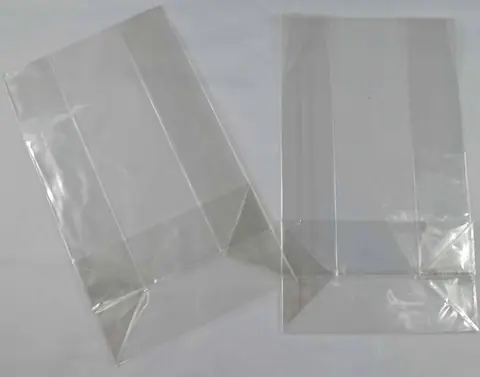
Block Bottom Bags for Candy Packing
How Solventless Lamination Differs
The solventless composite process uses 100 percent binder to bond two substrates into a unified composite material under heat and pressure. It was developed on the basis of dry compounding in response to the rising cost of organic solvents caused by the oil crisis of the 1970s and increasing environmental protection requirements.
What to Confirm Before You Order
Products from the solvent-free process have high interfacial adhesion strength and an applicable range roughly equivalent to dry compounding. The adhesives used do not contain solvents, so the solvent in the adhesive does not need to be dried and eliminated. Dry compounding has high investment costs, high energy consumption and solvent emissions, so confirm which route fits your structure and end use.
Related
Formats That Use This Film
More guides
Keep Reading
Aluminum Foil Film Application
BOPE Film
BOPP Antifogging Film
Answers
Questions About This Film
What lamination methods are commonly available?
Common methods are dry compounding, extrusion compounding, wet compounding, co-extrusion compounding and thermal compounding. In China dry compounding and extrusion compounding are the most widely used.
What end uses suit dry laminated film?
Dry laminated material has high adhesive strength and high barrier properties. It is suitable for high temperature cooking, vacuum, low temperature refrigeration, preservation, color retention and taste protection.
What are the drawbacks of dry lamination?
Dry compounding has high investment costs and high energy consumption. It is unfavorable for environmental protection due to solvent emissions.
How does solventless lamination bond the substrates?
The process uses 100 percent binder to bond two substrates into a unified composite material under heat and pressure. The adhesive contains no solvents, so no drying step is needed to eliminate solvent.
Can solventless replace dry lamination for my structure?
Products from the solvent-free process have high interfacial adhesion strength. Its applicable range is roughly equivalent to dry compounding.
Need This Film in a Finished Pack
Send the product, the pack format and the shelf life target. We will quote the structure that gets you there.