
TBR OTR AGR and PCR Tyre Classes Explained
Four abbreviations that appear on every tyre catalogue, what each class is built for, and how buying logic differs between them.
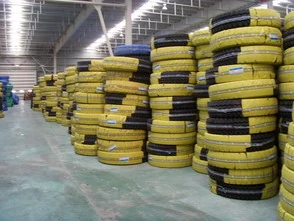
TBR — Truck and Bus Radial
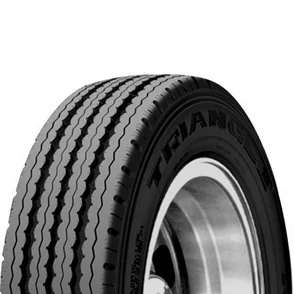
TBR covers radial tyres for commercial road vehicles. It is the largest class in our range, with 26 patterns covering rim diameters from 16 to 24.5 inches. Buying logic is size and pattern: a fleet or importer specifies the fitments it runs and chooses a pattern according to the surface, then plans container quantity against turnover.
OTR — Off-the-Road
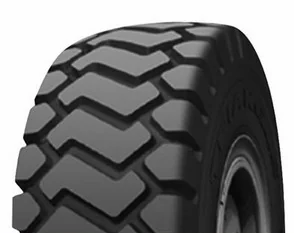
OTR covers tyres for construction, mining and material handling equipment. The class is bought by TRA service code — E, L or G plus a depth number — rather than by pattern name, because the code describes the machine duty. Our OTR range runs from 14.00R24 up to 24.00R35 across five patterns.
AGR — Agricultural
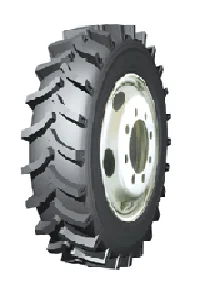
AGR covers tractor and implement tyres. The governing decision is pattern type against axle: a stripe pattern for the steering axle, a deep lug for the driven axle. Ply rating matters more than in other classes because agricultural loads are intermittent and sometimes very high. Sizes are commonly written in the older imperial form, such as 16.9-30.
PCR — Passenger Car Radial
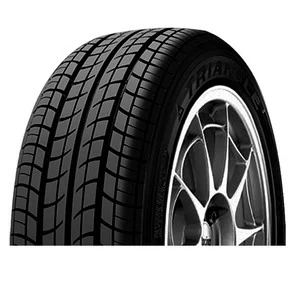
PCR covers passenger cars and, in practice, the light commercial derivatives around them. Our 15 patterns cover 12 to 15 inch rims and include LT, C-rated and ST constructions. The distinction that matters most here is construction rating, not size: an LT, C or ST tyre is built for loads a passenger tyre of the same size is not.
LT C and ST are not the same thing
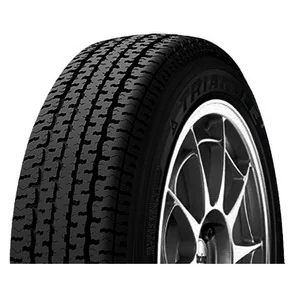
LT means light truck, a construction rated for commercial load. C means commercial, the European van rating. ST means special trailer, with stiffer sidewalls for trailer axles and no drive or steering duty. Fitting a passenger tyre where any of these is specified is the most common failure cause in the class.
Tube type and tubeless
TT tyres need a tube and flap and a matching rim. TL tyres need a tubeless-rated rim. In our TBR range the 20 inch and 22 inch sizes are tube type and the 22.5 and 24.5 inch sizes tubeless. A fleet in transition between standards needs both, which is why patterns such as KG688 keep a 20 inch size alongside the tubeless fitments.
Planning an order across classes
A distributor covering a whole market usually needs all four tyre classes. Because tyres fill container volume rather than weight, a mixed tyre container is generally volume-limited, which makes it a good candidate for consolidating with dense goods such as wood panels or batteries.
More Guides
How to Cut Oak Plywood Without Chipping
Why thin face veneers tear at the cut, and the blade, feed and support choices that stop it happening.
Read the guide →Buying GuideReading a Truck Tyre Size and Load Index Table
What each column of a TBR specification table means, and how to check a tyre against your axle load before you order.
Read the guide →Material GuideChoosing Film Faced Plywood for Concrete Formwork
Face, glue, grade and core are four separate decisions. Each one moves the cost per pour, and they are often all left to the supplier.
Read the guide →Questions About This Topic
How many tyre patterns do you carry?
51 across the four classes: 26 TBR, 5 OTR, 5 AGR and 15 PCR.
Can several tyre classes go in one container?
Yes. Send the size and quantity breakdown and a loading plan comes back with the quotation.
What certification does the tyre range carry?
ISO 9001, ISO 14001 EMS, ISO/TS 16949, CCC, DOT and ECE. Certificate copies are sent with the quotation.
Still Not Sure Which Specification You Need
Send the application, the machine or the part number and a recommendation comes back in writing before any order is placed.