
How to Cut Oak Plywood Without Chipping
Why thin face veneers tear at the cut, and the blade, feed and support choices that stop it happening.
Why plywood chips in the first place
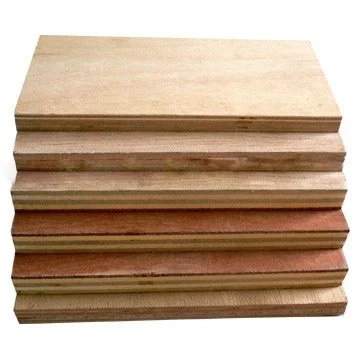
Plywood is built from thin layers of wood glued in alternating grain directions. Because the face layer is thin and unsupported at the moment the blade exits, it tears rather than cuts. Oak plywood makes this worse: a thin oak veneer is laid over a lower grade core, so the visible layer is both the thinnest and the most expensive part of the panel.
The blade does most of the work
Use a high tooth count blade with a fine kerf. A blade designed for solid timber ripping has too few teeth and too aggressive a hook angle; each tooth takes a large bite and levers the veneer up as it exits. On a table saw, an ATB grind presents a knife-like edge to the face veneer rather than a flat chisel.
Support the face where the blade exits
Chipping happens on the side the blade exits, so decide which face matters. On a table saw the blade enters the top face and exits the bottom, so put the good face up. On a hand-held circular saw it is the reverse. Backing the cut with a sacrificial board removes the unsupported exit entirely.
Score before you cut
Scoring the cut line — a shallow pass, or a knife cut along a straightedge — severs the face fibres before the main cut reaches them. This is the single most effective step on a veneered panel and costs one extra pass.
Feed rate and blade height
Feed too fast and the blade tears instead of cutting. Feed too slowly and the panel burns. Raise the blade only slightly above the panel so the teeth cut downward into the face rather than forward against it.
Tape as a last resort
Masking tape along the cut line holds the surface fibres while the blade passes. It works, but it is a remedy for a blade or support problem rather than a substitute for fixing either.
Products Covered in This Guide
More Guides
Reading a Truck Tyre Size and Load Index Table
What each column of a TBR specification table means, and how to check a tyre against your axle load before you order.
Read the guide →Material GuideChoosing Film Faced Plywood for Concrete Formwork
Face, glue, grade and core are four separate decisions. Each one moves the cost per pour, and they are often all left to the supplier.
Read the guide →Comparison ArticleMDF Particle Board and Plywood Compared
Three panel families, three different structures, and the practical consequences for machining, fixing and finishing.
Read the guide →Questions About This Topic
Which plywood face is least prone to chipping?
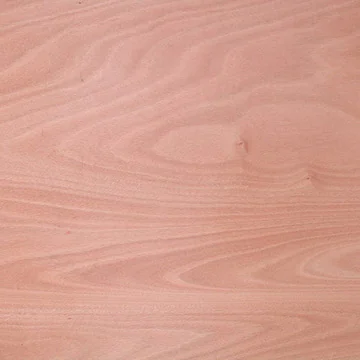
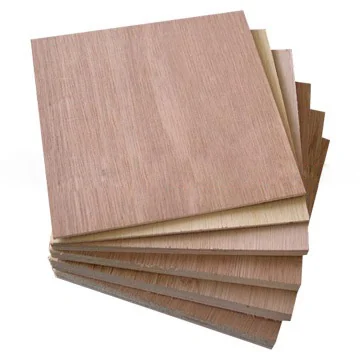
A fine even veneer such as okoume tears less than a coarse open-grained face. Panel quality matters as much as species — grades BB/BB and BB/CC describe the face quality on our commercial plywood.
Does the same advice apply to MDF?
MDF has no veneer and no grain, so it does not chip in the same way. It does break out at the edge on the exit side, so the sacrificial backing advice still applies.
Will a thicker panel chip less?
Thickness makes little difference. The face veneer thickness and its support at the exit side are what determine the result.
Still Not Sure Which Specification You Need
Send the application, the machine or the part number and a recommendation comes back in writing before any order is placed.