
Specifying a Granite Tile or Slab Order
Colour is only the first decision. Finish, thickness, format and batch control are what determine whether the stone that arrives matches the stone you approved.
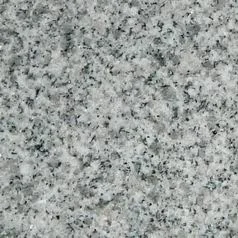
Granite is quarried, not manufactured
Every other product in this catalogue has a specification sheet because it was made to one. Granite was not. Two slabs from the same quarry, cut a month apart, can differ visibly in tone and grain density. That is not a defect and no supplier can eliminate it — but it can be managed, and managing it is most of the work in a stone order.
Start from the colour reference, then see it
The seven references here run from the very uniform pale grey KG-04, through KG-03 and the pink-greys KG-01, KG-02 and KG-05, to the strong red KG-06 and the dark grey-green KG-07. Use the reference to narrow the choice, then ask for a physical sample. Screen colour is not reliable for stone, and a rejection on delivery is the most expensive outcome in this category.
Finish changes the colour you approved
The same stone reads differently polished, honed and flamed. Polishing deepens colour and brings out the grain. Honing flattens it to a matt, lighter tone. Flaming lightens it further and adds texture. If you approve a polished sample and order a flamed floor, you have not ordered the stone you approved. Specify the finish on the sample request, not just on the order.
Finish also decides slip resistance
Polished granite in an entrance lobby or on external steps is a hazard when wet. Honed and flamed finishes give considerably more grip. Where the stone is going somewhere that gets wet, let slip resistance drive the finish and accept the colour that comes with it.
Tile or slab is a fabrication decision
Tile is cut to standard sizes and is faster to lay. Slab is cut to your dimensions and suits worktops, large-format floors and anywhere a joint would be intrusive — but it needs a fabricator at the destination. Decide which before asking for a price, because the two are not comparable per square metre.
Thickness follows the application
Thin tile is for wall cladding and interior floors on a solid substrate. Worktops, external paving and anything taking traffic or point loads need more thickness. Confirm the thickness with the order; it is one of the items marked TBC on the product pages precisely because it depends on your application.
Order the whole area in one batch
This is the single most useful thing a buyer can do. Calculate the full area plus wastage and order it together, so the material comes from the same block or the same production run. Phased ordering across a large floor is where colour mismatch shows up, and it cannot be fixed afterwards.
Dry-lay before fixing
On a large area, lay a representative section out before any adhesive goes down. Natural variation that looks acceptable on a single sample can read badly across twenty square metres, and it is far cheaper to redistribute slabs at that point than to lift them later.


More Guides
How to Cut Oak Plywood Without Chipping
Why thin face veneers tear at the cut, and the blade, feed and support choices that stop it happening.
Read the guide →Buying GuideReading a Truck Tyre Size and Load Index Table
What each column of a TBR specification table means, and how to check a tyre against your axle load before you order.
Read the guide →Material GuideChoosing Film Faced Plywood for Concrete Formwork
Face, glue, grade and core are four separate decisions. Each one moves the cost per pour, and they are often all left to the supplier.
Read the guide →Questions About This Topic
Which granite colour is the most consistent?
KG-04 has the finest and most even grain of the seven references, which makes it the safest choice for large uninterrupted areas. Some variation between blocks is still normal in any natural stone.
Can I order more than one colour in the same shipment?
Yes. Field and contrast stone ship together, which also keeps thickness and finish matched between them.
What sizes and finishes are available?
These are confirmed against your requirement before quotation rather than published, because they depend on whether you need tile or slab and on the application. Send the application, area and thickness with your enquiry.
Still Not Sure Which Specification You Need
Send the application, the machine or the part number and a recommendation comes back in writing before any order is placed.