
Satin vs Silk for Hair Accessories a Sourcing Guide
Silk is a fibre and satin is a weave. How each behaves against hair, what they cost, how they print and wash, and which to choose per product type.
Satin Is a Weave and Silk Is a Fibre
This is the single confusion that causes most sourcing mistakes. Silk is a natural fibre reeled from the cocoon of the silkworm, and mulberry silk is the grade used for hair and sleep products. Satin is not a fibre at all, it is a weave structure that puts most of the yarn on the face of the fabric so the surface reflects light and feels slippery. Almost all satin sold for bonnets and scrunchies is polyester woven in a satin structure. A silk fabric can also be woven as satin, which is where the wording gets slippery in supplier quotations. When you ask for a price, name both the fibre and the weave.
How Each One Behaves Against Hair
Both fabrics work for the same reason: a smooth face means less friction, so the hair shaft slides instead of catching, and the style survives the night. The practical difference is moisture and heat. Silk is a protein fibre and breathes, so it feels cooler against the scalp through a warm night and does not hold sweat the way a sealed polyester face can. Polyester satin is smoother than cotton by a wide margin and solves the friction problem well, but it insulates, which some customers notice as heat around the crown in summer.
Price and Where the Gap Shows Up
Silk sits at a materially higher fabric cost than polyester satin, and the gap widens as the piece gets bigger. On a skinny scrunchie the difference is small enough that many brands go straight to silk. On a queen size pillowcase or a double layer bonnet the fabric area is large and the cost difference becomes the deciding factor for the retail price. A common approach is to run the small pieces in mulberry silk as the premium tier and hold the larger pieces in satin for the volume tier.
Colour Print and Pattern Behaviour
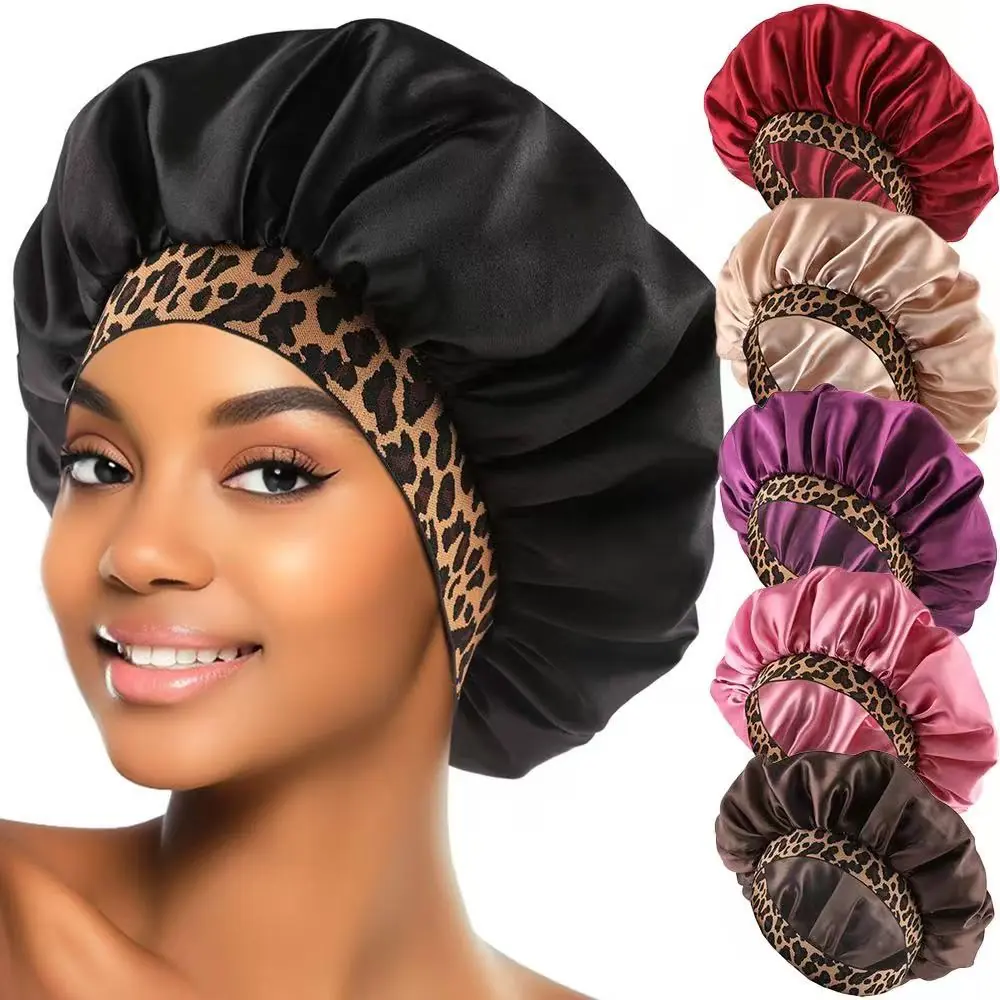
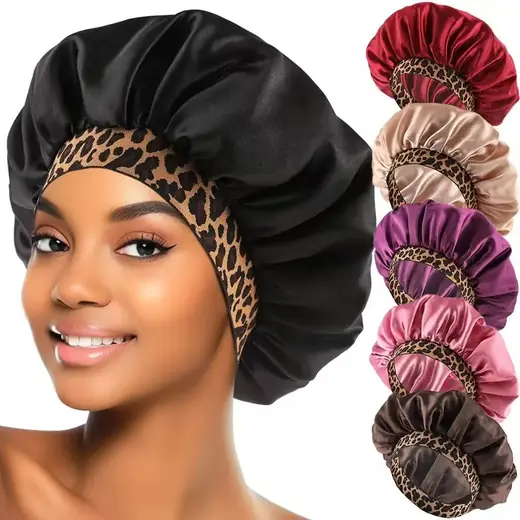
Polyester satin takes bright print cleanly and holds colour through washing, which is why seasonal prints, leopard and floral patterns are usually run on satin. Silk dyes beautifully in solid colours with a softer depth, but the print process is different and the colour range available at a workable quantity is narrower. If your range is built around a printed pattern, plan it on satin. If it is built around solid colours and hand feel, silk is the stronger story.
Care Instructions Your Customer Will Actually Follow
Silk needs cool hand washing, a mild detergent and flat air drying, and it should be kept out of direct sun. Polyester satin tolerates machine washing in a mesh bag on a cool cycle. If you sell to a customer who will put everything in a hot wash, the satin version will come back looking better after six months. Print the care instruction on the hang tag rather than only on the packaging, because the packaging is thrown away on day one.
Choosing per Product Type
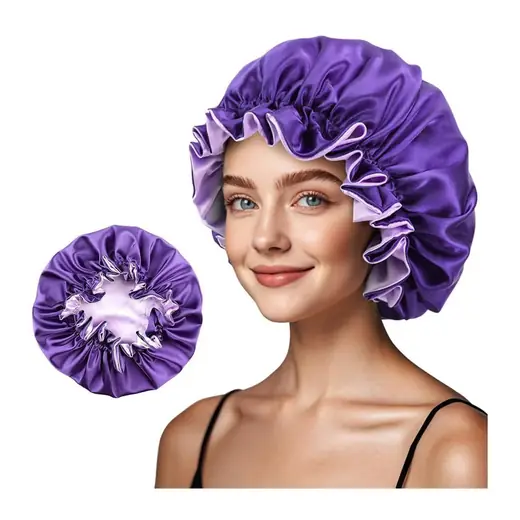
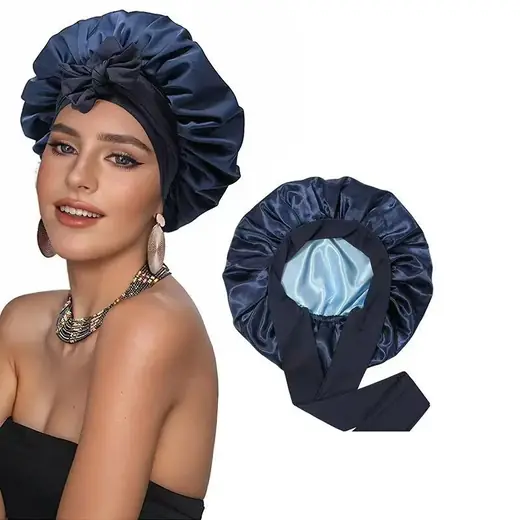
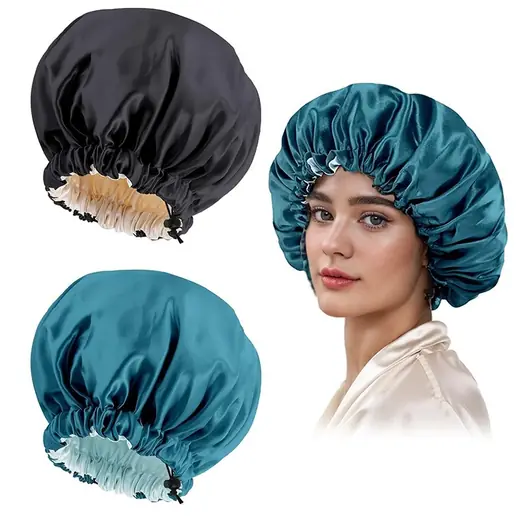
For bonnets, satin covers the volume range and silk serves the premium tier, and the construction matters more than the fibre for fit. For scrunchies, mulberry silk is worth it because the piece is small and the perceived value is high. For pillowcases, decide by retail price band because fabric area dominates the cost. For eye masks, silk is the usual choice because it sits against thin skin all night. For heatless curlers, satin is the working standard and silk is the gift version.
What to Confirm Before You Place the Order
Ask for a physical swatch of the exact fabric, not a photograph, and approve the colour against it. Confirm in writing whether you are buying mulberry silk or polyester satin, because both are sometimes described as silky. Approve a fully sewn sample rather than a fabric sample alone, since seams and band construction change how the piece feels in use. Agree the inspection arrangement before production starts.
Questions About This Topic
Is satin the same as silk?
No. Silk is a natural fibre and satin is a weave. Most satin hair accessories are polyester woven with a satin face. Silk can also be woven as satin, so always confirm the fibre and the weave separately.
Which one is better for curly hair?
Both reduce friction, which is the effect that protects curls. Silk breathes better and feels cooler overnight, satin is easier to care for and cheaper on large pieces.
Can you supply both fabrics in the same style?
Yes. Bonnets, scrunchies, pillowcases, eye masks and heatless curlers can all be sewn in either satin or mulberry silk, so a range can carry a volume tier and a premium tier in the same shape.
How should customers wash silk hair accessories?
Hand wash in cool water with a mild detergent, do not wring, and dry flat away from direct sun. Polyester satin can go in a mesh bag on a cool machine cycle.
Can our own print be run on either fabric?
Prints are usually run on satin because the colour range and print process suit it. Send your artwork and we will confirm what is workable on the fabric you want before you commit.
Products This Guide Covers
Keep Reading
Uses a single layer of fabric with a wide, soft elastic band stitched around the edge. The band stretches to fit most head sizes and holds t
Read more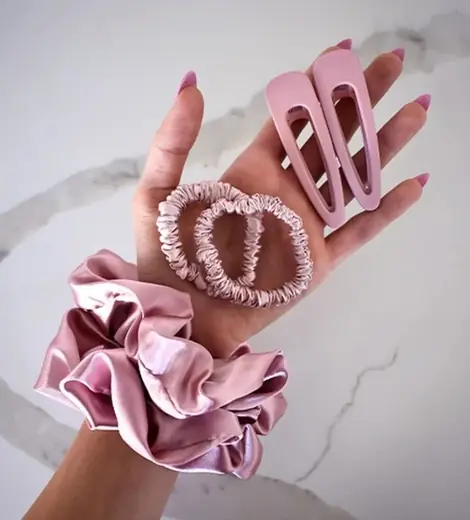
These rods use a flexible core, usually plastic or foam, wrapped in polyester satin. The satin face reduces friction, so hair slides instead
Read more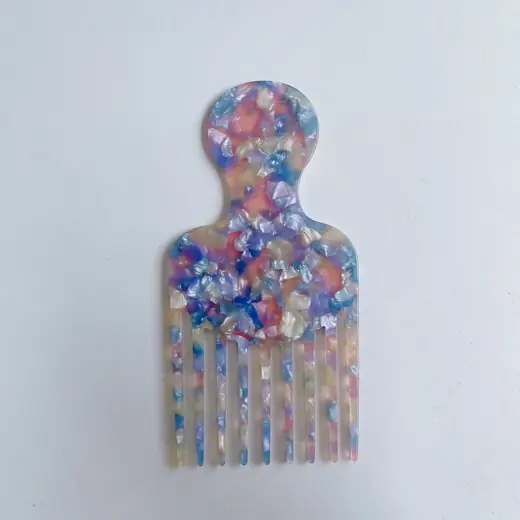
Cellulose acetate is made from wood pulp and acetic acid, not petroleum. It is thermoplastic, meaning it can be heated and shaped into combs
Read moreStill Not Sure Which Option Fits Your Range
Send us the price point you are aiming at and the customer you are selling to. We will tell you which fabric and construction to use and what a sample would involve.