What the Two Digits Actually Mean
An IP code carries two digits. The first is protection against solid objects, the second against water. IP20 means the fitting is protected against fingers and objects above 12 mm but carries no water protection at all. IP44 means protection against objects above 1 mm and against splashing water from any direction. Nothing in the code tells you about heat, load or lamp life, so it is not a general quality mark.
Why Almost Every Decorative Fitting Is IP20
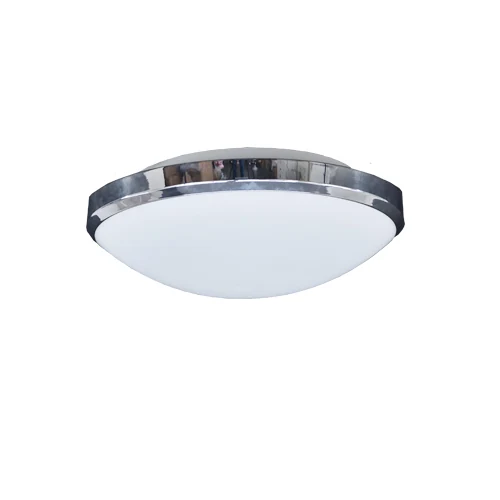
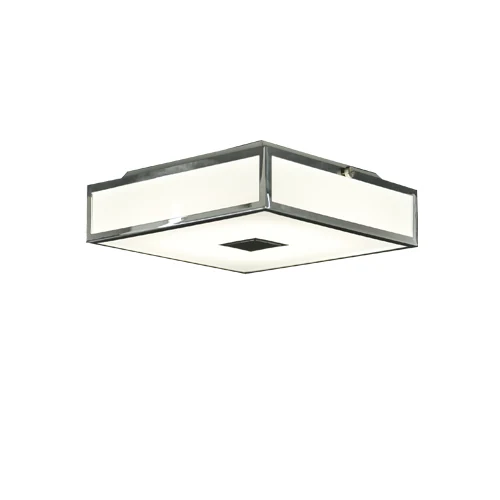
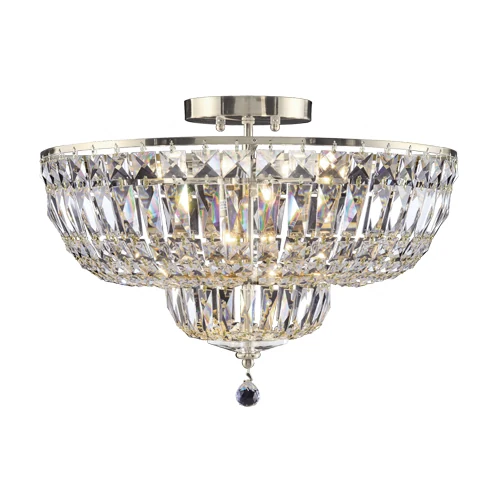
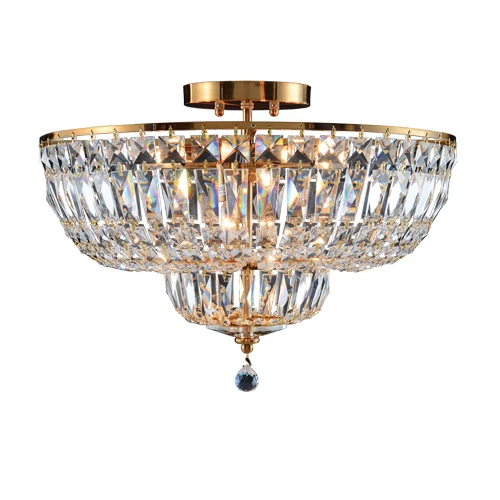
Decorative lighting is designed for dry interiors, and the Jedaz catalogue reflects that. Every chandelier, pendant, wall sconce, table lamp and floor lamp in the range records IP20. One flush mount model records IP44. If your drawing puts a fitting anywhere the air carries moisture, the IP20 models are the wrong starting point and you should tell us before the drawing is approved.
Rooms Where IP20 Is Fine
Lobbies, corridors, guest rooms, lounges, dining rooms, stair voids, meeting rooms and offices are dry interiors. An IP20 chandelier or sconce belongs in all of them. A lobby that opens onto a covered forecourt still counts as dry provided the fitting itself sits inboard of the weather line.
Rooms Where IP20 Is Not Enough
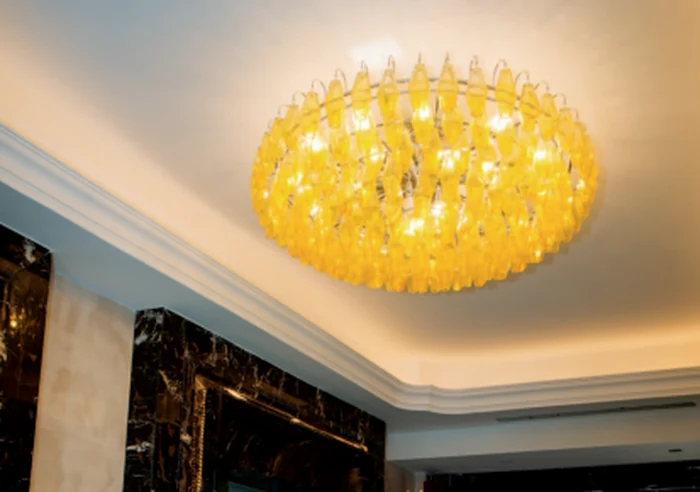
Bathrooms and shower rooms are zoned, and each zone sets a minimum rating. Covered terraces, pool halls, spa areas and commercial kitchens all put moisture into the air. A fitting rated IP20 in any of these is a specification error, not a preference. The single IP44 flush mount model in the catalogue is the one item rated for splashing water.
What To Send Us Before You Approve a Drawing
Tell us the room, whether it is heated and ventilated, and whether the fitting sits inside or outside the weather line. If it is a bathroom, tell us the zone. We would rather change the model at drawing stage than have a fitting arrive that cannot be installed where it was drawn.