
Mini Circuit Breaker(MCB)
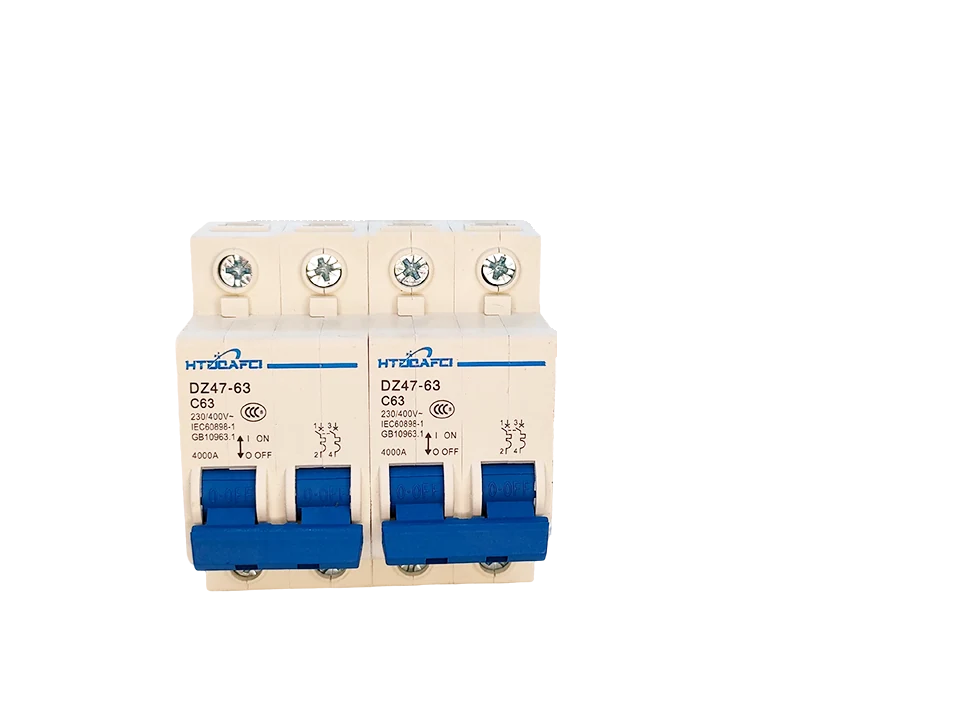
DZ47 Mini Circuit Breaker
The DZ47 Mini Circuit Breaker is a compact, reliable MCB designed for AC 50/60Hz circuits with rated voltages up to...
View ProductA Type C device is the default across most of this range. Knowing what the curve means stops nuisance tripping and undersized protection.
A thermal magnetic breaker has a bimetallic strip that reacts slowly to sustained overload and an electromagnet that reacts within milliseconds to a short circuit. The trip curve is a chart of how long the device takes to open at a given multiple of its rated current.
Type C is the characteristic used across our MCB, RCBO and smart breaker ranges. Its magnetic trip covers a band of higher current multiples than a Type B device, which is what allows it to ride through the inrush of motors, transformers and lighting banks without tripping.
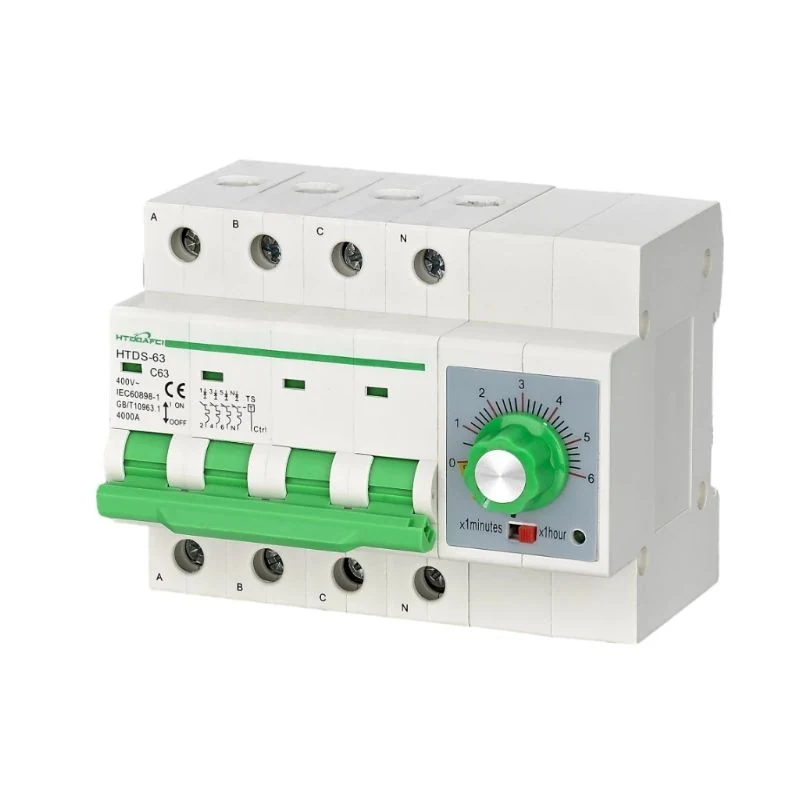
Where a load draws a heavy inrush a time adjustable device is useful. The time adjustable mini automatic circuit breaker in the range is available in C curve or D curve, which shifts that magnetic band further up.
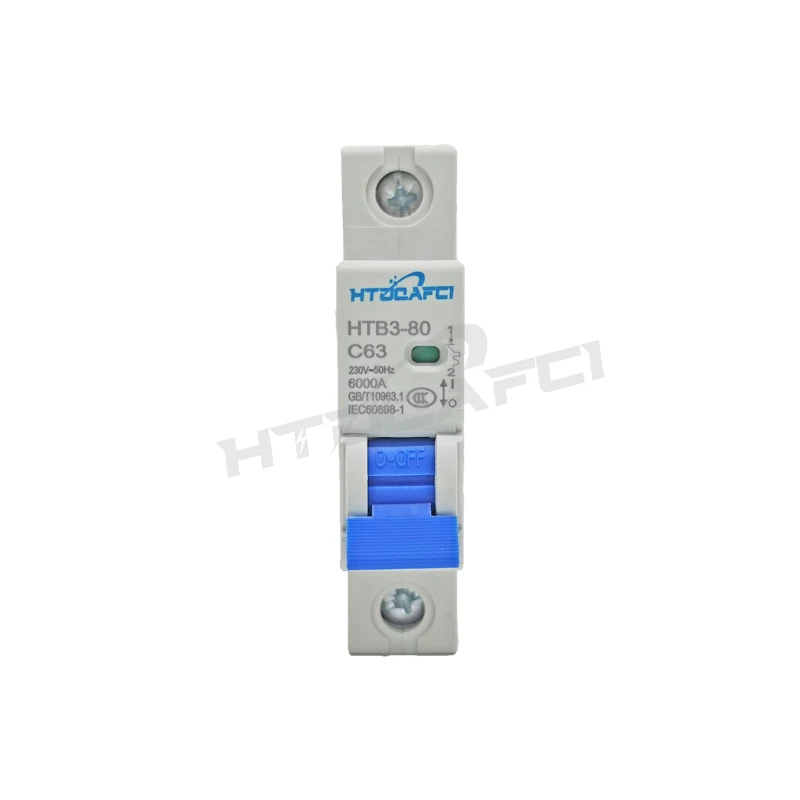
Breaking capacity is the fault current the device can interrupt safely, quoted separately as 4.5kA, 6kA or 10kA on different models in this range. The curve tells you when it trips, the breaking capacity tells you what it can survive.
Match the rating to the cable, the curve to the load type and the breaking capacity to the prospective fault current at that point of the installation. Send a board schedule with an enquiry and we will quote model by model.
The DZ47 Mini Circuit Breaker is a compact, reliable MCB designed for AC 50/60Hz circuits with rated voltages up to...
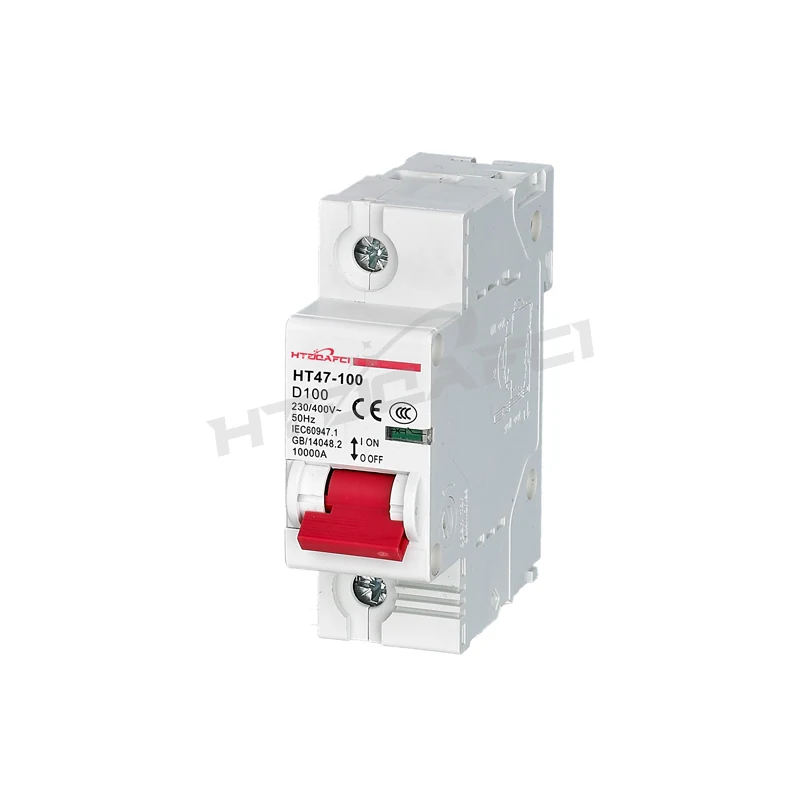
View ProductThe HT47-100 NC MCB is a non-communicating miniature circuit breaker designed for industrial and large-scale...
View ProductIt is built in the same factory as Hantu Electric’s smart breakers, enabling buyers to source conventional and smart...
View ProductThe 2P and 4P Time Adjustable Mini Automatic Circuit Breaker is a compact device for single-phase 230V 50Hz circuits up...
View ProductThree DIN devices that look alike protect against three different faults. Getting the selection wrong leaves a real risk uncovered.
The protection is the same. The difference between the three smart ranges is how the device reaches the person who wants to switch it.
An AC breaker fitted to a solar string is one of the most common sourcing mistakes on the DC side and the reason the DZ47Z-63 series exists.
Metal or plastic, indoor or outdoor, surface or flush. The enclosure decision is usually made last and causes the most site problems.
What to ask a supplier before the first order, written from the questions we are actually asked.
Type C, which rides through the inrush of motors, transformers and lighting banks.
Where a load draws a heavy inrush. The time adjustable device is available in C curve or D curve.
No. The curve is when it trips, breaking capacity is the fault current it can interrupt safely.
4.5kA, 6kA and 10kA appear across different models in the range.
Match the rating to the cable, the curve to the load and the breaking capacity to the prospective fault current. Send the board schedule and we will quote it.
Send it over and we will confirm which devices in this guide apply to your circuits.