
Glass Insulator Price Trends and Cost Drivers
Watching glass insulator prices rise and fall feels like tracking a soap opera—minus the popcorn and plus a lot of budget headaches.
Watching glass insulator prices rise and fall feels like tracking a soap opera—minus the popcorn and plus a lot of budget headaches.
This article explains key cost drivers and trends, using data-backed insights from reports like IEA’s World Energy Outlook to help you plan smarter purchases.
📈 Historical glass insulator price trends in transmission and distribution projects
Glass insulator prices have moved in clear cycles, shaped by grid expansion, raw material shifts, and policy changes. Understanding these patterns helps engineering teams plan more accurate project budgets.
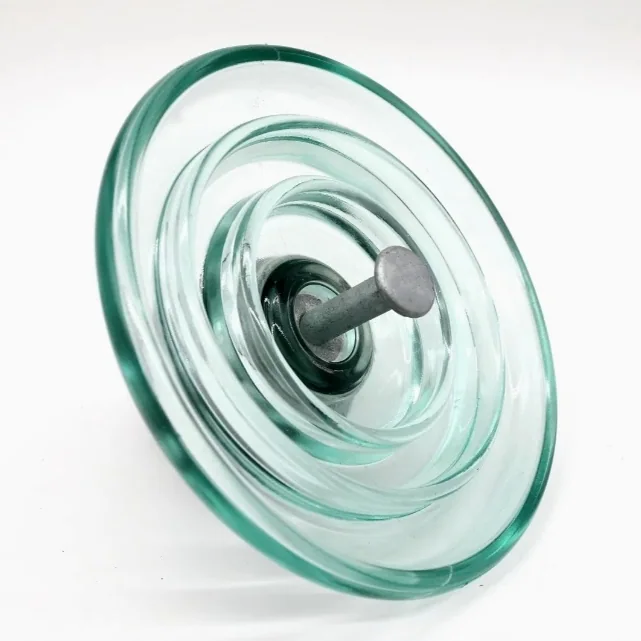
In recent years, stronger demand for higher-voltage lines, plus tighter safety standards, has pushed buyers toward reliable models such as the 33KV 160KN IEC standard U160BP/146M open air profile glass suspension insulator , stabilizing long-term pricing.
1. Pre-2010: Stable demand and limited grid upgrades
Before 2010, most utilities focused on incremental upgrades. Glass insulator prices stayed stable, as raw materials were cheap and energy costs for production remained predictable.
Moderate T&D investment
Lower natural gas and electricity prices
Simple design standards and basic testing
2. 2010–2015: Rapid transmission build-out
From 2010 to 2015, many regions invested in new high-voltage lines. Prices edged upward due to larger orders and stricter safety rules for overhead systems.
3. 2016–2020: Technology, competition, and cost control
Automation and better quality control helped factories cut defects. Prices for standard units, such as 70–160 kN discs, became more competitive across global markets.
Improved tempering and inspection lines
Lower scrap and rework rates
More suppliers entering export markets
4. 2020–Today: Volatile energy and material markets
Recently, energy spikes and freight disruptions caused short-term price jumps. Buyers now focus on lifecycle cost, not just the initial unit price.
💱 Impact of raw material and energy costs on glass insulator pricing
Raw materials, fuel, and electricity form a large share of glass insulator costs. When these inputs increase, producers must either raise prices or improve process efficiency.
Project owners who track these inputs gain better timing for large tenders and can lock in more stable prices for long-lead transmission packages.
1. Main raw materials: glass batch, steel, and zinc
Silica sand, soda ash, and limestone make the glass body, while steel and zinc form caps, pins, and fittings. Price swings in these commodities quickly affect offers.
Silica sand and soda ash impact glass melt costs
Steel drives costs for caps, pins, and hardware
Zinc affects hot-dip galvanizing expenses
2. Energy intensity of glass melting and tempering
Melting furnaces and tempering lines consume large amounts of gas and power. Plants in regions with cheaper energy can offer more stable and competitive pricing.
3. Data snapshot: input costs versus insulator price
The following simple chart shows how a 10–20% change in material and energy inputs can translate into noticeable shifts in glass insulator pricing over time.
4. How buyers can reduce exposure to cost spikes
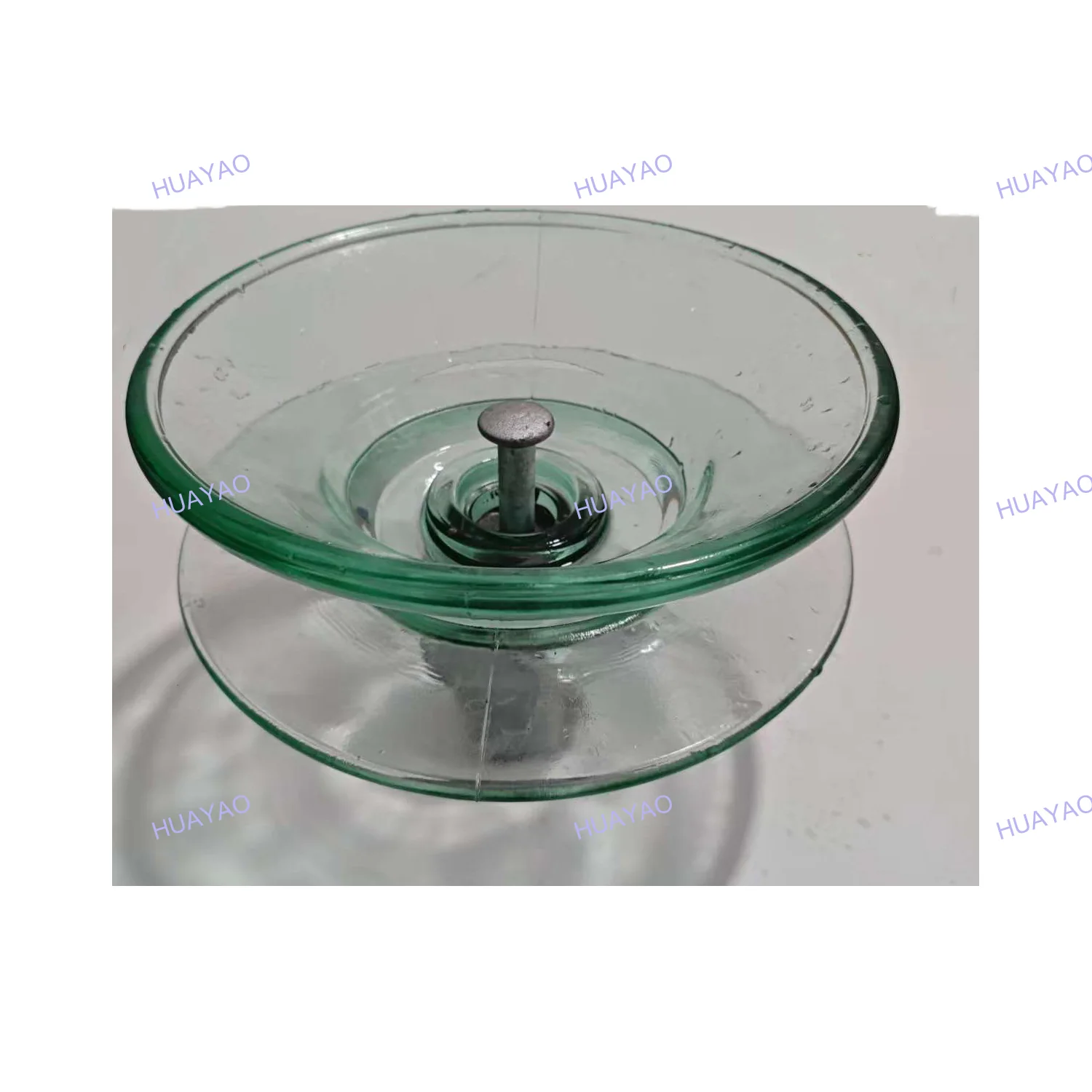
Utilities can manage budget risk by standardizing on proven designs, like the 11 CTV 254 High voltage suspension 70 kn electrical glass insulator U70BL for Algeria market , and by negotiating framework or multi-year contracts.
Use common ratings and standard fittings
Bundle orders to gain scale discounts
Align tender timing with more stable markets
🏗️ How project scale, voltage level, and design standards influence costs
Project size, voltage rating, and required standards strongly affect unit pricing. Larger, higher-voltage lines need stronger discs and longer strings, raising overall investment needs.
Smart specification choices help engineering teams balance safety, reliability, and budget without oversizing every component on the line.
1. Scale effects: single line versus large grid program
Multi-line or regional grid projects often gain lower unit prices because factories can optimize production and logistics for repeated, predictable orders.
Higher total volume lowers per-unit cost
Standardized BOM reduces engineering time
Better terms from long-term supply agreements
2. Voltage class and mechanical rating selection
As voltage rises, strings need more discs and higher mechanical strength, such as 160–300 kN units, which naturally cost more than low-strength designs.
3. Design standards and testing depth
Compliance with IEC, ANSI, or utility-specific standards may require extra type tests, sample tests, and tracking tests, adding some cost but improving long-term reliability.
IEC or ANSI conformity checks
Salt fog and pollution performance tests
Routine mechanical and electrical tests
🌍 Regional market dynamics and logistics factors affecting glass insulator prices
Regional demand cycles, local regulations, and logistics constraints create noticeable price gaps between markets, even for similar glass insulator designs and ratings.
Freight distance, port access, and customs policies can add or remove several percent of the final delivered cost per insulator string.
1. Demand profiles in emerging and mature grids
Emerging markets often show strong growth in sub-transmission and transmission lines, while mature grids focus more on replacement and reliability upgrades.
New build projects drive bulk orders
Replacement cycles follow outage data
Policy support speeds or delays projects
2. Freight, packaging, and handling costs
Glass insulators are heavy and need careful packaging to avoid breakage. Shipping method and distance strongly affect landed cost at site or warehouse.
3. Customs duties and local content rules
Tariffs, value-added tax, and local content rules can change the final comparison between domestic and imported glass insulators for the same specification.
Some regions favor local assembly
Duty-free zones lower costs
Compliance paperwork affects lead time
🏢 Why engineering teams and utilities increasingly choose Huayao glass insulators
Project owners look beyond initial price and focus on reliability, consistent quality, and long-term supplier support when selecting glass insulators for grid projects.
Huayao supports these needs with certified designs, flexible order sizes, and proven performance in both standard and demanding environmental conditions.
1. Proven performance across voltage classes
Huayao offers a wide portfolio, from 11 kV distribution lines to ultra-high-voltage transmission, including heavy-duty options like the 300kN insulators UG300B/195/480D double-umbrella Suspension Electrical Glass Insulator for critical spans.
Covers distribution, sub-transmission, and transmission lines
Designed for heavy ice and wind zones
Compatible with common fittings and hardware
2. Quality systems and international certifications
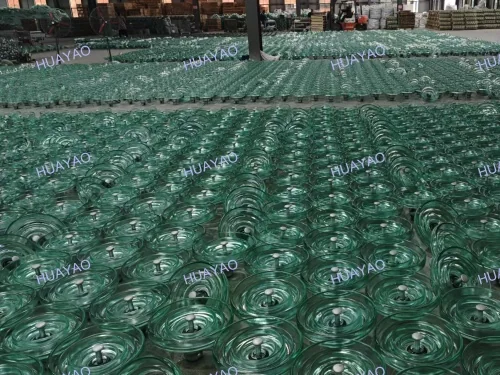
Modern production lines, strict incoming checks, and full traceability help Huayao maintain stable quality that meets or exceeds key international insulator standards.
3. Cost-effective solutions and technical support
Huayao engineers help customers optimize string length, creepage distance, and mechanical rating so projects meet safety margins without unnecessary overspecification or cost.
Support for bidding and design reviews
Optimized BOM proposals
Flexible delivery and packing options
Conclusion
Glass insulator prices depend on raw materials, energy costs, project scale, and regional logistics. By understanding these cost drivers, utilities can plan more realistic project budgets and avoid sudden price shocks during tendering.
Working with a stable, experienced supplier like Huayao helps engineering teams secure consistent quality and competitive pricing across different voltage levels and market conditions.
Frequently Asked Questions about glass insulator or conductor
1. Why do glass insulator prices change so often?
Prices shift mainly because raw materials, energy, and freight costs change. When fuel or steel rises, production becomes more expensive, and suppliers adjust offers to stay sustainable.
2. How do I choose the right mechanical rating for an insulator string?
Start from line tension, wind and ice loads, and safety factors required by your standard. Then select a rating, such as 70, 160, or 300 kN, that safely exceeds these loads.
3. Are glass insulators more cost-effective than porcelain?
Often yes. Glass has good visibility of defects, strong mechanical performance, and stable electrical properties. Over the life of a line, this can reduce outages and maintenance costs.
4. How do logistics affect total insulator cost?
Freight, insurance, and packaging add to the factory price. Long-distance shipping or remote project sites increase these charges, so planning transport early helps control total cost.
5. Does conductor choice influence insulator sizing?
Yes. Heavier or larger conductors raise mechanical load and sometimes required creepage distance. This may require higher-strength insulators or longer strings to maintain safe clearances.
Types You Can Order
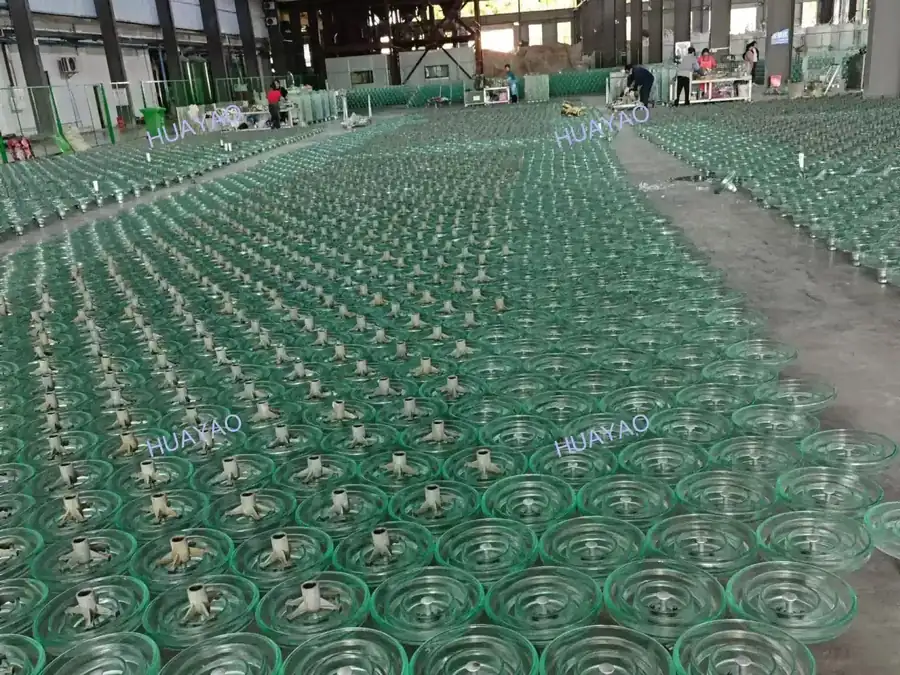
PSD70E 70kN EMS Anti Fog Type Corrosion Proof Disc Insulator Glass Type
View specifications →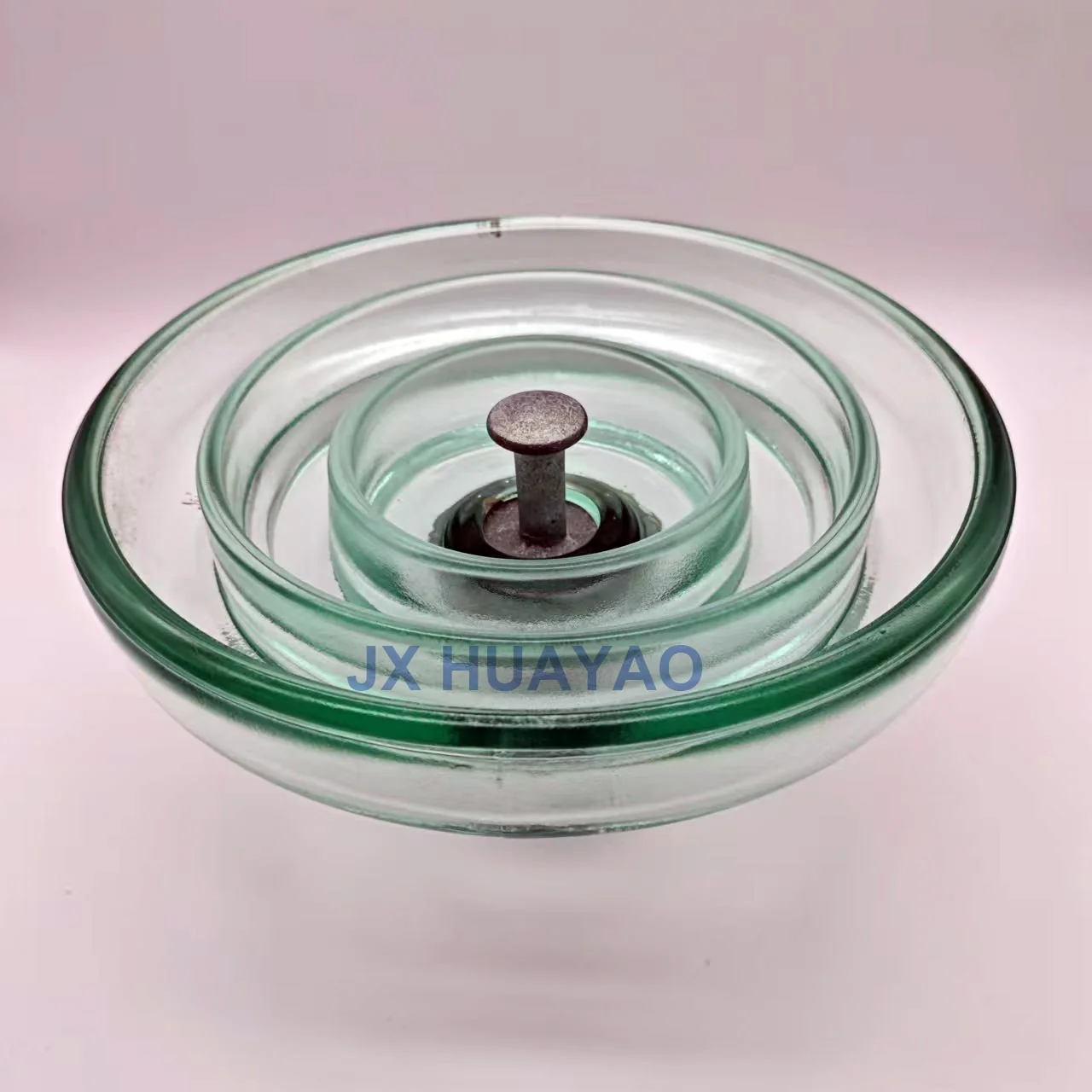
PSV160A 160kN EMS Anti Fog Type Corrosion Proof Disc Insulator Glass Type
View specifications →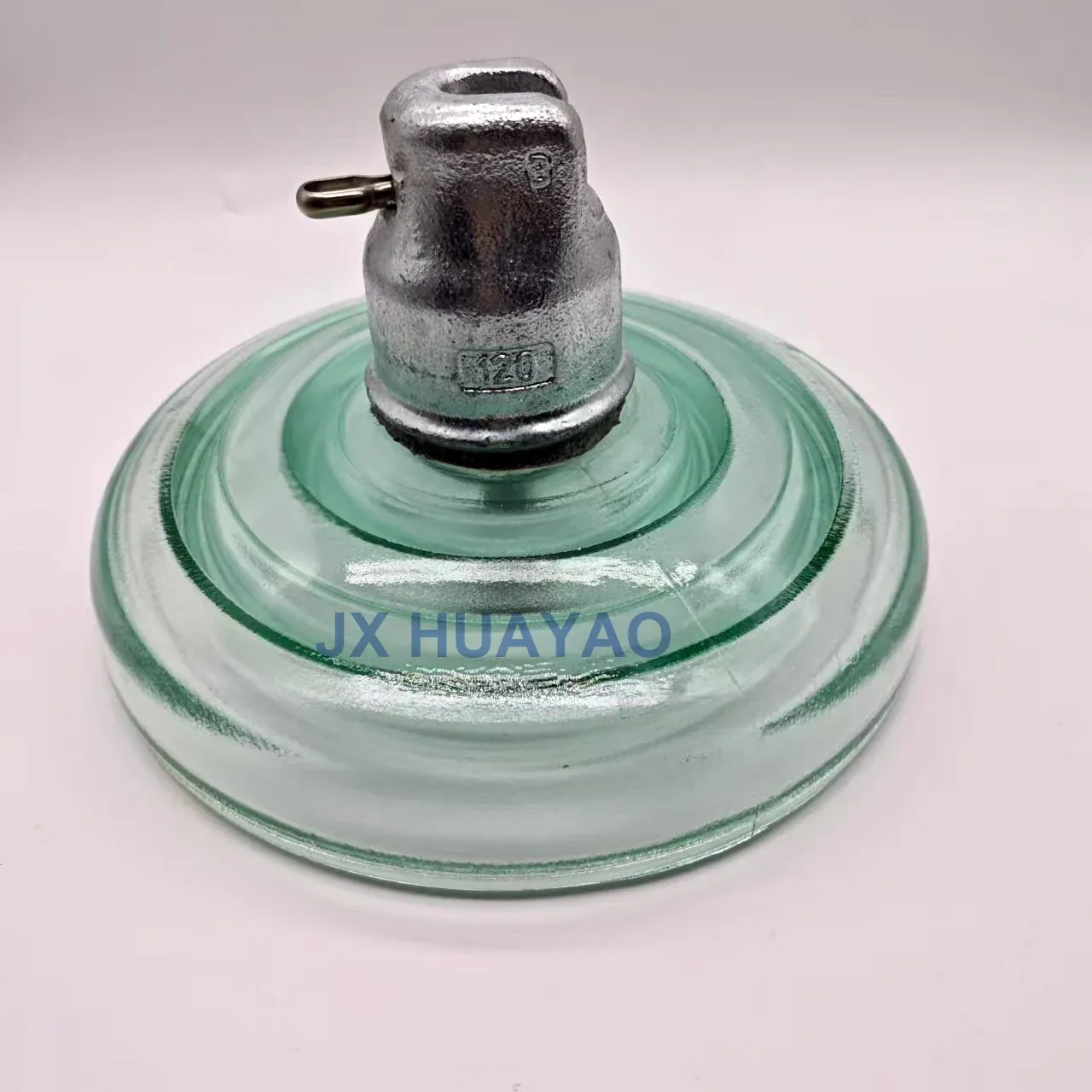
PSV120B 120kN EMS Anti Fog Type Corrosion Proof Disc Insulator Glass Type
View specifications →PSD70E 70kN EMS Anti Fog Type Corrosion Proof Disc Insulator Glass Type Type TYPE
View specifications →Quick Answers
Straight answers to the questions buyers ask before a first order.
What does this guide cover?
Watching glass insulator prices rise and fall feels like tracking a soap opera—minus the popcorn and plus a lot of budget headaches.
Who wrote this?
Jiangxi Huayao Electric Co., Ltd., a toughened glass and porcelain insulator manufacturer in Luxi County, Pingxiang City, Jiangxi Province, China.
Where can I get the matching product data?
Every type in the catalogue publishes failing load, routine test load, nominal diameter, unit spacing, creepage distance, coupling size and net weight.
Need The Numbers For Your Own Line?
Send the voltage, pollution class and specified load, and we will return the matching type codes with drawings.