
Glass Disc Insulator Price Impact of Hardware Fittings
Staring at glass disc insulator quotes again? Prices jump more than your heart when you see the electricity bill, and every “special” hardware fitting seems to secretly add another mystery surcharge.
Staring at glass disc insulator quotes again? Prices jump more than your heart when you see the electricity bill, and every “special” hardware fitting seems to secretly add another mystery surcharge.
Calm the chaos by comparing standardized specs, tracking metal market trends, and checking utility benchmarks in reports like the IEA Electricity Networks report before locking in any hardware package.
🔹 How Hardware Fittings Specifications Influence Glass Disc Insulator Price Differences
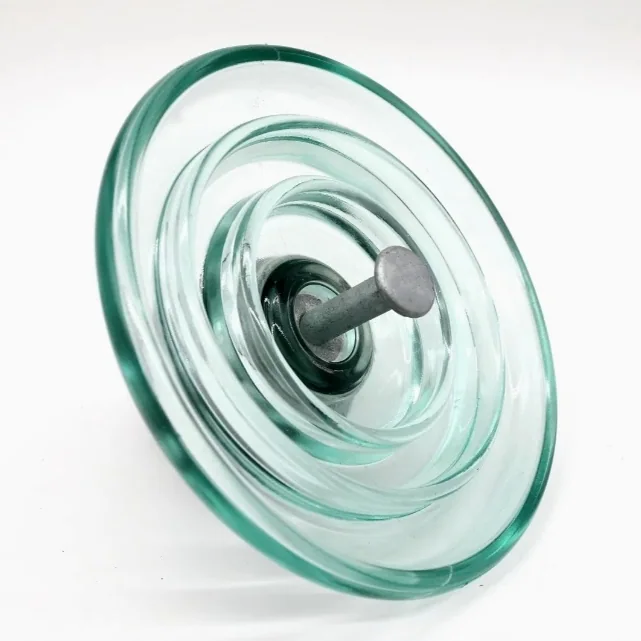
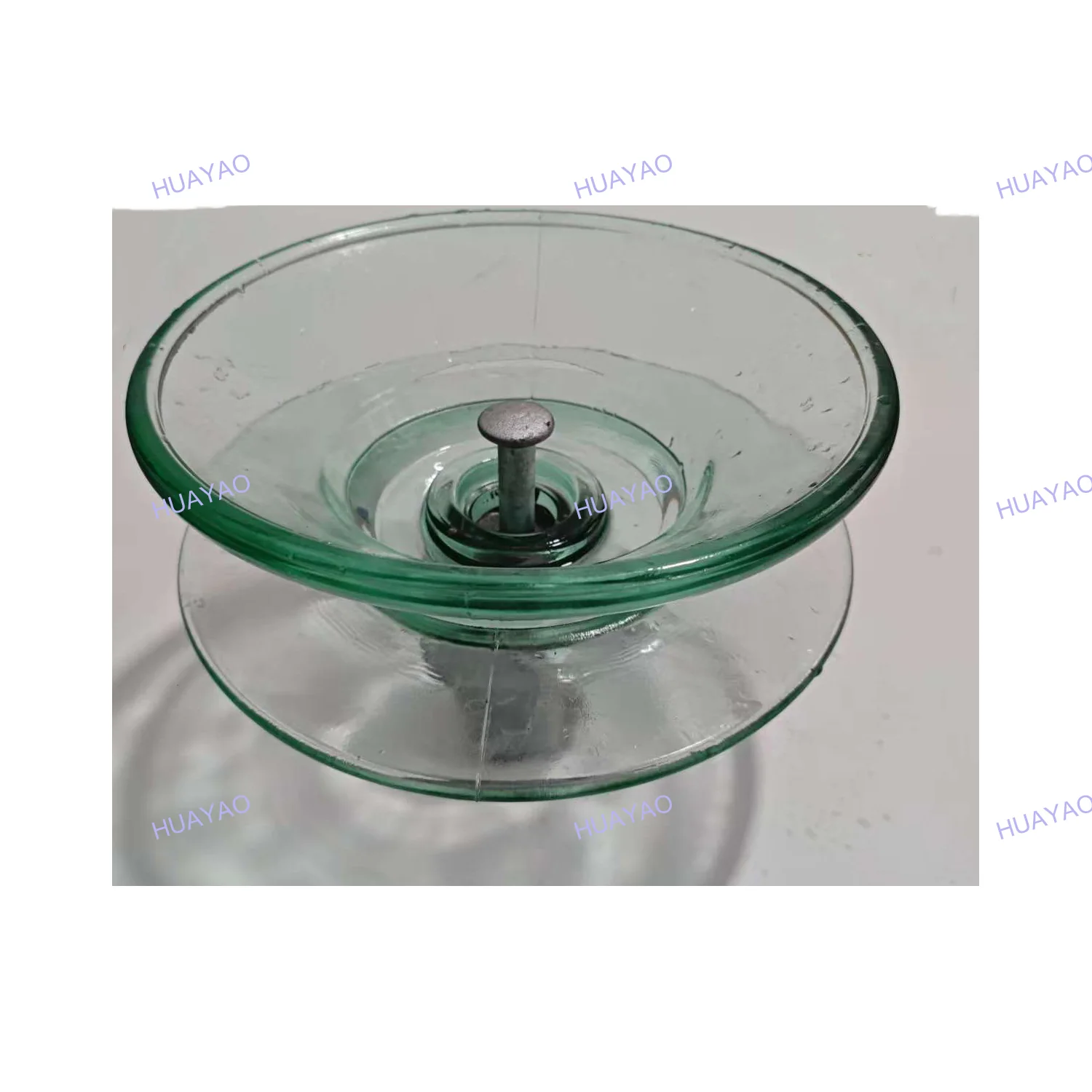
Hardware fittings greatly affect the final price of glass disc insulators. Dimensions, steel grade, and coating design all change material use, production time, and testing costs.
Project designers should match fittings to mechanical load, voltage level, and pollution level. This helps avoid both over‑design and hidden failure risks that increase lifecycle cost.
1. Pin and Cap Dimensions
Larger pins and caps require more steel and higher forging pressure, which quickly raises per‑unit price.
Thicker steel walls increase weight and shipping cost.
Tighter tolerances need more machining and inspection.
Standardized sizes lower tooling and stock costs.
2. Coupling Types and Interchangeability
Ball-and-socket sizes and tolerances influence price and compatibility with existing lines.
3. Example: Medium Load vs Heavy Load Strings
The 16 CTV 254 High voltage suspension 70 kn electrical glass insulator U70BL for Algeria market uses lighter fittings than higher‑tension units, which keeps hardware and transport costs lower.
4. Example: Ultra‑High Strength Assemblies
For long‑span or river‑crossing lines, stronger fittings on products such as the 210kN insulators UG210B170 double-umbrella Suspension Electrical Glass Insulator add material and testing expense but reduce string quantity and tower loads.
🔹 Relationship Between Metal Fittings Quality and Glass Disc Insulator Service Life
Hardware quality often decides whether a glass disc insulator string lasts 15 years or 40 years. Superior steel, coatings, and assembly protect against fatigue, corrosion, and slippage.
Power utilities can lower failure rates and outages by paying close attention to fitting strength class, zinc thickness, and production control certificates from the manufacturer.
1. Steel Grade and Mechanical Fatigue
Higher strength, low‑impurity steel resists crack growth at the pin and cap under daily wind and conductor movement.
Reduces risk of brittle fracture in cold climates.
Improves safety margin for emergency overloads.
Extends recommended inspection intervals.
2. Corrosion Resistance vs Service Life
Thicker zinc or alloy coatings on metal parts slow rust and preserve mechanical strength in coastal or industrial areas.
*Indicative values; actual life depends on maintenance and string design.
3. Data Analysis: Service Life vs Hardware Grade
The following bar chart compares estimated service life for standard and premium fittings on 70 kN and 120 kN class strings, such as the High voltage suspension 120 kN open air profile type toughened glass insulator U120BP/146M glass insulators .
4. Assembly Quality and Testing
Factory assembly, routine tests, and sample type tests confirm that glass and metal work as one unit under real mechanical and electrical loads.
Proof load tests check each unit.
Sampling tests verify long‑term reliability.
Traceable batch records support future audits.
🔹 Huayao Recommended Hardware Configurations for Cost‑Effective Glass Disc Insulator Projects
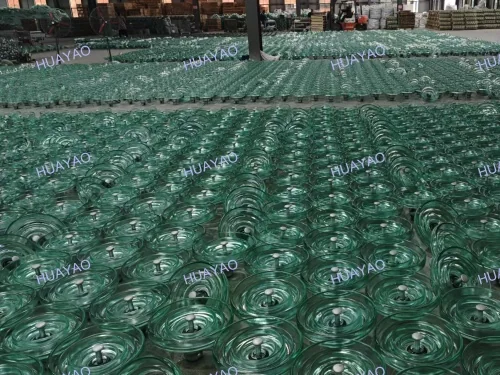
Huayao balances material grade, coating thickness, and coupling choice to provide reliable glass disc insulators that still control upfront and long‑term costs.
1. Standard Transmission Lines
For most 110–132 kV lines in normal environments, Huayao suggests standard hot‑dip galvanized fittings with proven 70–120 kN mechanical ratings.
Optimized zinc thickness for moderate pollution.
Common ball-and-socket sizes to simplify stock.
Competitive pricing through volume production.
2. Heavy Load and Long-Span Lines
For river crossings and steep terrain, select higher strength fittings paired with 120–210 kN discs to reduce string length and tower height.
3. High Pollution or Coastal Projects
Huayao advises thicker coatings and, when needed, special fitting designs to handle salt, dust, and industrial gases without rapid corrosion.
Extra zinc thickness on pins and caps.
Careful sealing at glass–metal interface.
Optional anti-corrosion accessories where needed.
🔹 Impact of Anti-Corrosion Treatments on Hardware Fittings and Overall Insulator Pricing
Anti-corrosion treatments protect fittings from rust and metal loss but add material, energy, and quality control costs to each glass disc insulator unit.
1. Zinc Coating Thickness and Cost
As zinc thickness grows, material use and galvanizing time increase, which lifts unit price but extends hardware life in harsh climates.
2. Special Coatings and Life-Cycle Savings
In extreme cases, duplex coatings or special alloys cost more upfront but reduce replacement frequency and tower work, lowering overall project cost.
Fewer outages for maintenance.
Lower risk of hardware breakage.
Better performance in salt or chemical zones.
3. Choosing the Right Level of Protection
Engineers should match coating level to pollution class, expected service life, and maintenance access instead of simply ordering the cheapest option.
🔹 Balancing Mechanical Strength Requirements and Hardware Costs in Glass Disc Insulators
Designers must balance higher strength ratings with the extra cost of larger pins, caps, and metal sections in each glass disc insulator.
1. Avoiding Over-Specification
Oversizing hardware may double safety margin but also creates unnecessary material and transport costs, especially on long transmission corridors.
Use system studies to define actual loads.
Apply relevant national or IEC safety factors.
Align with utility experience on similar lines.
2. Matching Strength to Line Sections
Different line sections can use different hardware ratings to control costs while still meeting safety and reliability needs.
3. Life-Cycle Cost Perspective
A slightly higher hardware rating can be justified when it clearly reduces failure risk, outage penalties, and emergency repair costs over 30–40 years.
Conclusion
Glass disc insulator prices depend strongly on hardware fittings. Steel grade, coating, and strength class all change unit cost and long‑term performance.
By matching mechanical rating and anti‑corrosion level to real line conditions, utilities can manage budgets while still achieving safe, reliable operation for decades.
Frequently Asked Questions about glass disc insulator
1. Why do glass disc insulators with similar ratings have different prices?
They often use different hardware fittings, steel grades, zinc thickness, and testing levels. These factors change manufacturing cost, service life, and failure risk.
2. How do I choose the right mechanical rating?
Check line voltage, span length, conductor tension, and local wind or ice loads. Then follow the relevant standard safety factors and utility design rules.
3. When should I pay more for better anti-corrosion treatment?
Pay more in coastal, industrial, or desert areas where rust and pollution are strong. Better coatings cut replacement work and outage risk.
4. Are heavier fittings always better?
No. Heavier fittings cost more and add tower load. They are useful only when system studies show higher mechanical or environmental stresses.
5. How does hardware quality affect maintenance frequency?
High‑quality fittings slow corrosion and fatigue, so strings need fewer replacements and less emergency work, which lowers total operating cost over time.
Types You Can Order
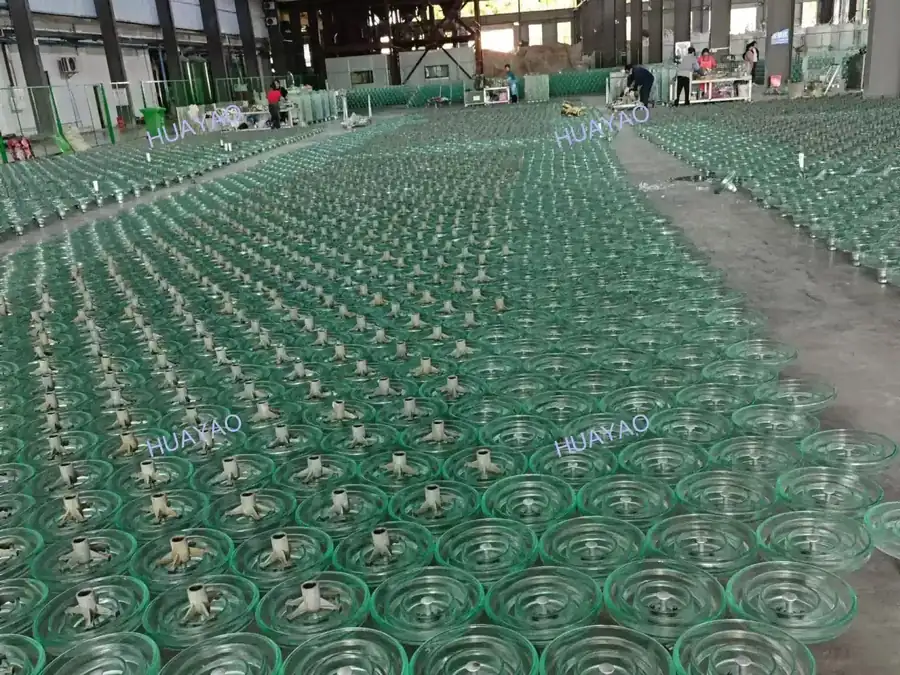
PSD70E 70kN EMS Anti Fog Type Corrosion Proof Disc Insulator Glass Type
View specifications →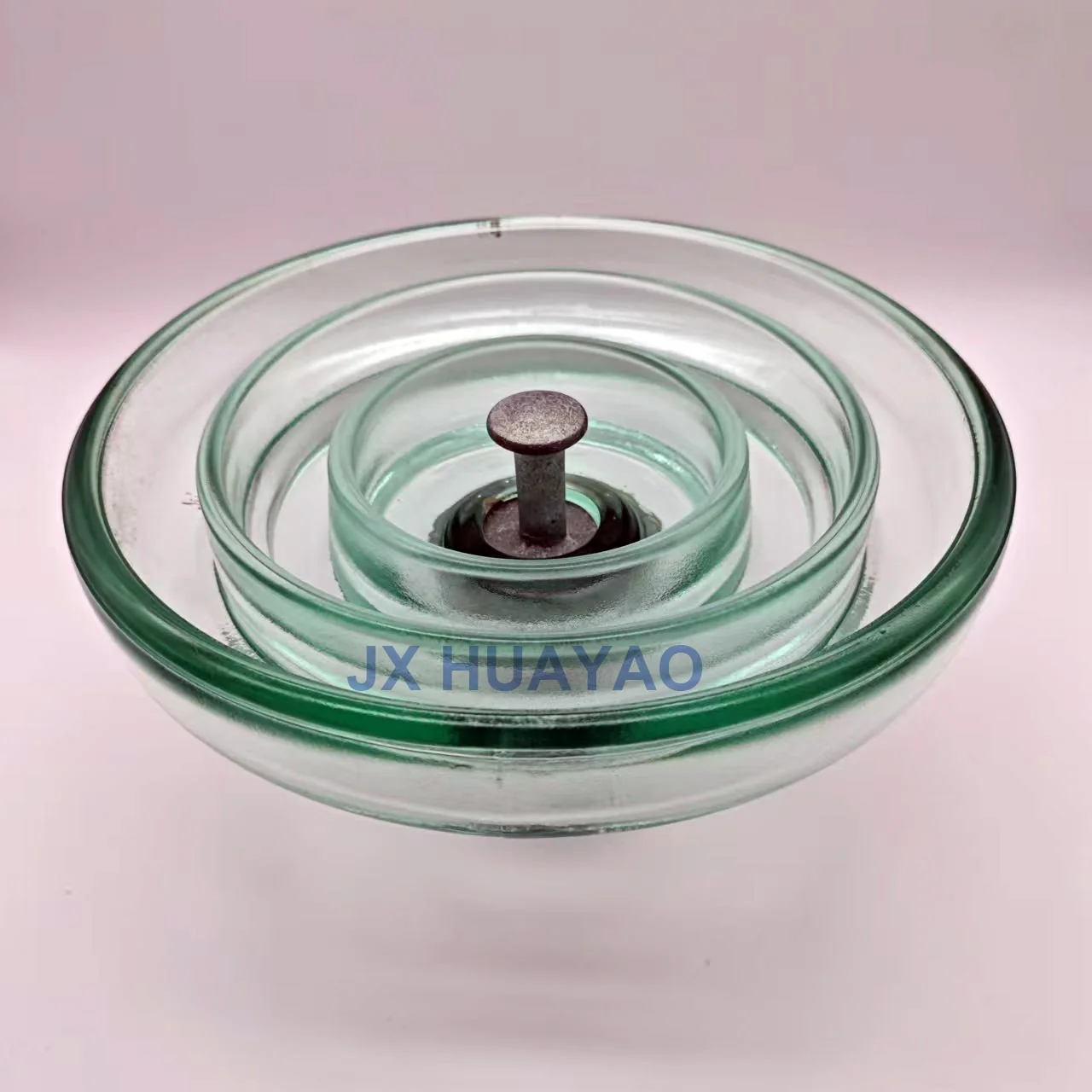
PSV160A 160kN EMS Anti Fog Type Corrosion Proof Disc Insulator Glass Type
View specifications →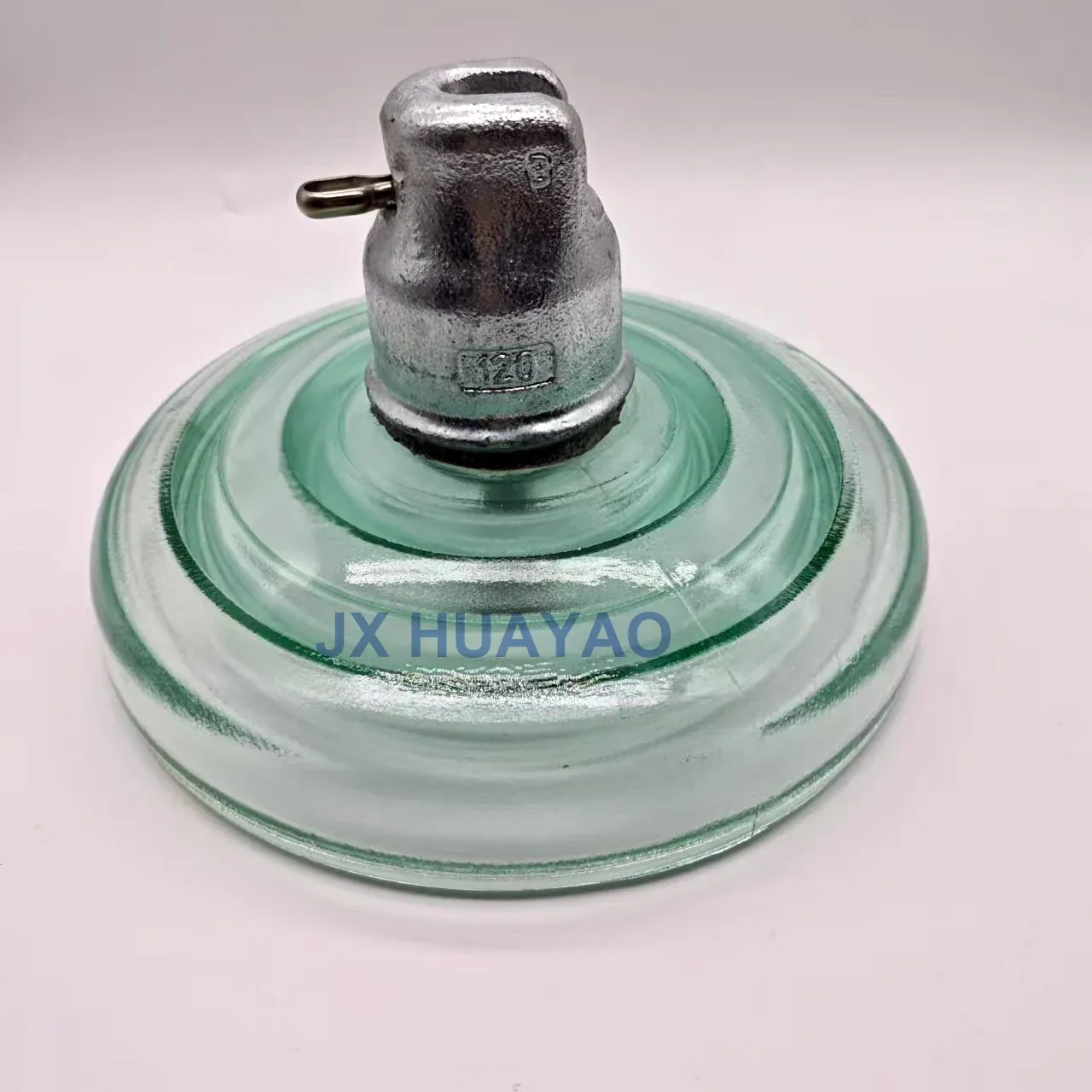
PSV120B 120kN EMS Anti Fog Type Corrosion Proof Disc Insulator Glass Type
View specifications →PSD70E 70kN EMS Anti Fog Type Corrosion Proof Disc Insulator Glass Type Type TYPE
View specifications →Quick Answers
Straight answers to the questions buyers ask before a first order.
What does this guide cover?
Staring at glass disc insulator quotes again? Prices jump more than your heart when you see the electricity bill, and every “special” hardware fitting seems to secretly add another mystery surcharge.
Who wrote this?
Jiangxi Huayao Electric Co., Ltd., a toughened glass and porcelain insulator manufacturer in Luxi County, Pingxiang City, Jiangxi Province, China.
Where can I get the matching product data?
Every type in the catalogue publishes failing load, routine test load, nominal diameter, unit spacing, creepage distance, coupling size and net weight.
Need The Numbers For Your Own Line?
Send the voltage, pollution class and specified load, and we will return the matching type codes with drawings.