
Difference Between Glass and Porcelain Insulator
The difference between glass insulator and porcelain insulator are as following point:
The difference between glass insulator and porcelain insulator
The difference between glass insulator and porcelain insulator are as following point:
Mechanical strength:
The mechanical strength of glass insulators is 1 to 2 times higher than that of porcelain insulators , which makes glass insulators perform better under external forces and impacts.
Stability and aging:
The performance of glass insulators is more stable, not easy to age, and the electrical performance is higher than that of porcelain insulators.
Porcelain insulators began to appear defects after several years of operation, while glass insulators can find defects at the beginning of operation, which reduces the potential safety hazards in operation.
Transparency and inspection:
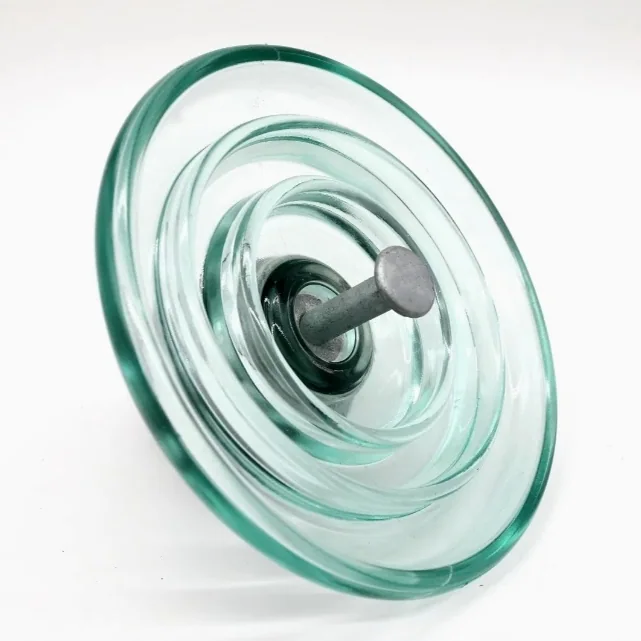
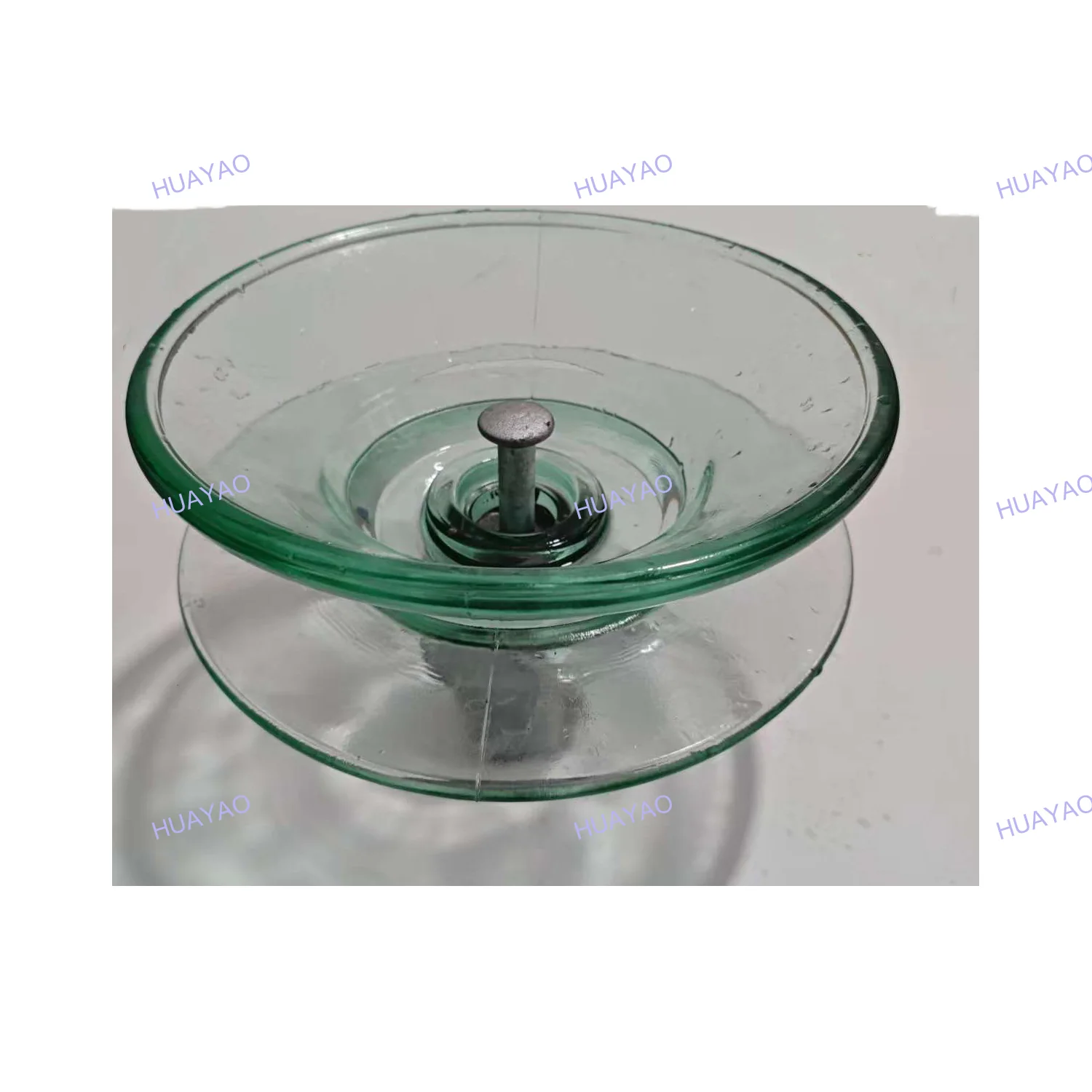
The transparency of glass insulators makes it easy to find small cracks and internal defects during shape inspection, which is easy to find and replace in time.
The defects of porcelain insulators are not easy to be found, and regular zero value detection is required, which increases the maintenance cost and workload.
Maintenance requirements:
The use of glass insulators can cancel the live periodic preventive test, because its self-breaking characteristics make it easy for line inspectors to find damaged insulators and replace them in time.
Porcelain insulators require zero-value detection, and defects can only be found after several years of operation, which increases the complexity and cost of maintenance.
Productivity and cost:
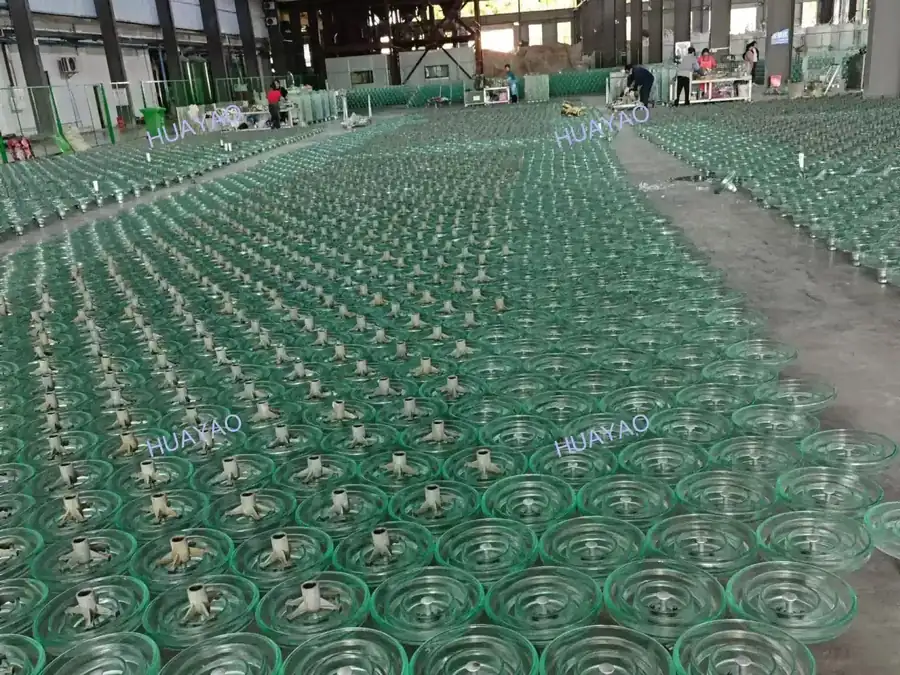
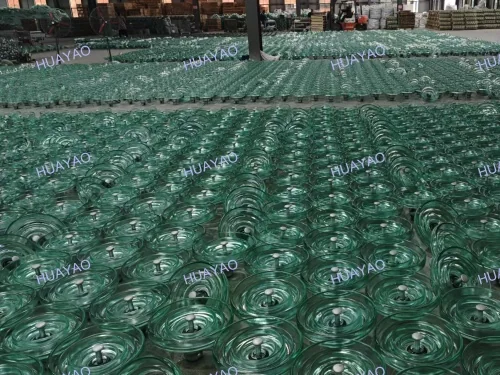
Glass insulators have fewer production processes and short production cycles, which is convenient for mechanized and automated production and improves production efficiency.
The production process of porcelain insulators is relatively complex, the quality stability is poor, and the production cost is high.
Self-breaking feature:
Glass insulators have "self-breaking" characteristics, that is, when the insulator is defective, it will automatically break, which is convenient for line patrol personnel to find and replace.
Porcelain insulators have no self-breaking characteristics and require manual inspection and maintenance, which increases the difficulty and cost of maintenance.
To sum up, glass insulators perform better in terms of mechanical strength, stability and maintenance requirements , while porcelain insulators may have more advantages in terms of production efficiency and cost. The choice of insulator depends on the specific application environment and needs.
Jiangxi Huayao Electric Co., Ltd advantage products are glass insulators with a capacity of 40kN-550kN, which can meet the requirements of 10kV-500kV ultra-high voltage and extra high voltage transmission and transformation lines.
Huayao strictly comply with GB, ANSI, BS, DIN, AS, IEC standard designs, applicable to power transmission lines and substations.
Types You Can Order
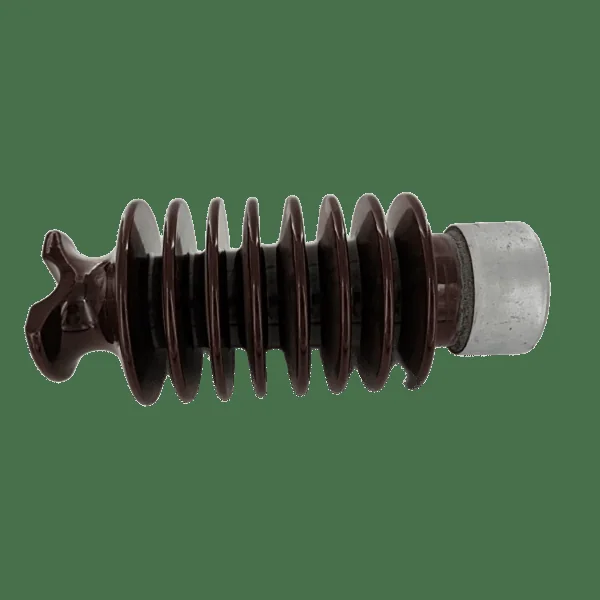
High Voltage Post Electrical Porcelain Insulator 57-3
View specifications →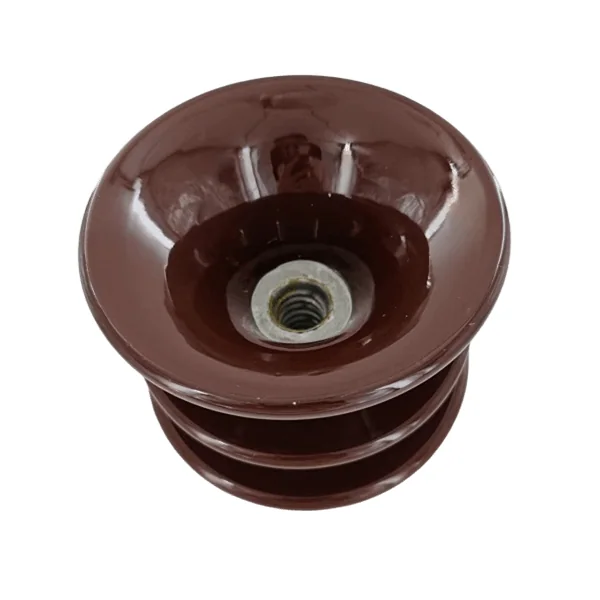
10kV/15kV/20kV Pin Type Porcelain Insulator P-11-Y High Voltage Insulator
View specifications →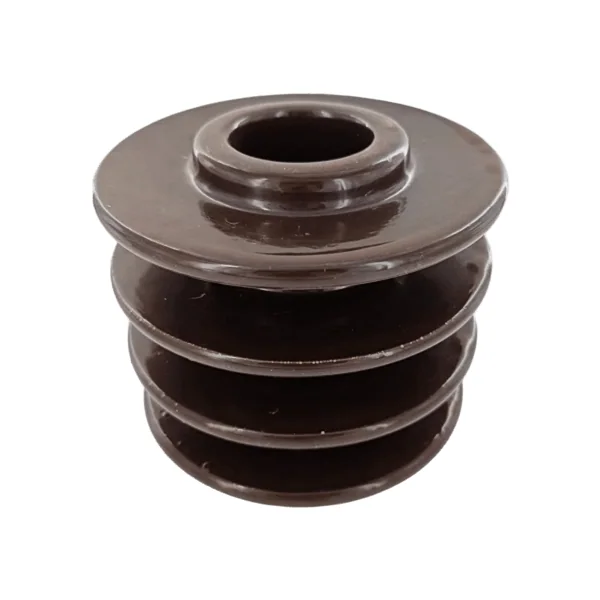
10kV/15kV/20kV Pin Type Porcelain Insulator PW-15-Y High Voltage Insulator
View specifications →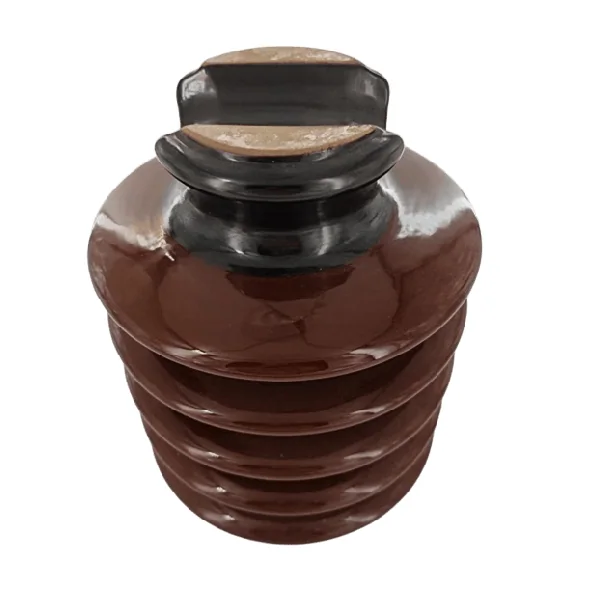
10kV/15kV/20kV Pin Type Porcelain Insulator PW-22-Y High Voltage Insulator
View specifications →Quick Answers
Straight answers to the questions buyers ask before a first order.
What does this guide cover?
The difference between glass insulator and porcelain insulator are as following point:
Who wrote this?
Jiangxi Huayao Electric Co., Ltd., a toughened glass and porcelain insulator manufacturer in Luxi County, Pingxiang City, Jiangxi Province, China.
Where can I get the matching product data?
Every type in the catalogue publishes failing load, routine test load, nominal diameter, unit spacing, creepage distance, coupling size and net weight.
Need The Numbers For Your Own Line?
Send the voltage, pollution class and specified load, and we will return the matching type codes with drawings.