
Belt And Road Customs Supervised Cold Storage First Phase Handed Over
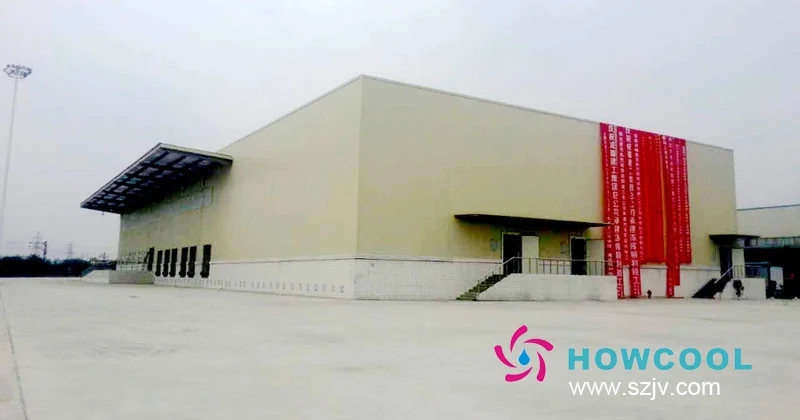
First phase of 100,000-ton customs logistics port cold storage successfully handed over.
- Project
- December 6, 2023
- 4 min read
The first phase of a Belt and Road customs logistics port supervision cold storage has been handed over, delivering 5,000 tons of capacity. The second phase will build toward 100,000 tons.
Site and scale
The total site covers 220 hectares. A project at that scale is built in phases by necessity — capacity comes online while the next phase is still under construction, and each phase has to be commissioned without disrupting the last.
What customs supervision changes
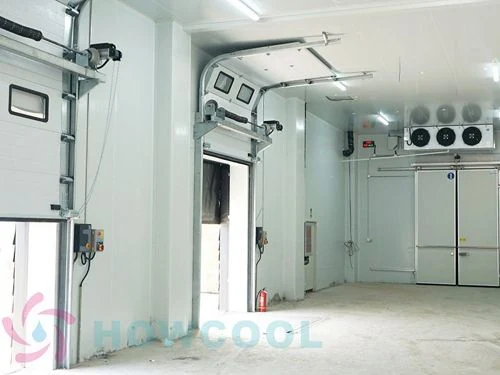
- A dedicated inspection platform for customs examination of incoming goods
- Bonded zone separation so supervised and free-circulation stock cannot mix
- Documentation and access control aligned to the customs process
These requirements are structural. Adding a bonded separation to a finished building means moving walls and re-routing traffic, so the customs process has to shape the layout from the first drawing.
Why ports drive cold storage demand
Port-side cold storage lets importers clear, hold and redistribute temperature-sensitive cargo without a second cold transport leg. The same logic drives our port-adjacent designs elsewhere — the Jeddah facility sits 12 km from the container terminal for exactly this reason.
Customs-supervised and bonded cold storage is part of Howcool's export project experience across Belt and Road markets.
Quick Answers
How large is the completed first phase?
5,000 tons, with a second phase planned to build toward 100,000 tons.
What does customs supervision require in the design?
A dedicated inspection platform, bonded zone separation and layout aligned to the customs clearance process.
How big is the overall site?
The total site covers 220 hectares.
More Engineering Notes
Grape Cold Storage Operating Procedure Temperature Humidity and CA
A complete guide to grape cold storage — variety tolerance, optimal temperature ranges, humidity and CA best practices.
3500 Square Metre Low Temperature Cold Storage Delivered In 120 Days
Six-room -18~-25℃ storage for beef, lamb and seafood. 120-day total build.
20000 Ton Seafood Cold Storage Enters Final Commissioning
20,000-ton seafood refrigeration project enters final commissioning phase.
Ground Insulation and Frost Heave Prevention In Low Temperature Cold Storage
Engineering best practices for preventing frost heave and optimising thermal performance.
Apply This To Your Own Facility
Send the room dimensions, target temperature and product type and our engineers will return a heat load calculation and equipment selection.