
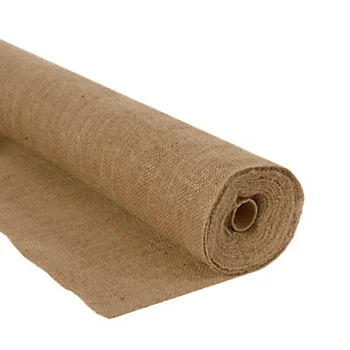
Sisal Cloth for Making Polish Buffs
Sisal cloth is used as a raw material for making ventilated airway buffing wheels, especially for cutting and pre-polishing metal surfaces. It provides strong cutting force, good flexibility, and long service life. The cloth is available in widths from 94 cm to 150 cm, with warp and weft counts of...
Product Overview
Sisal cloth is used as a raw material for making ventilated airway buffing wheels, especially for cutting and pre-polishing metal surfaces. It provides strong cutting force, good flexibility, and long service life. The cloth is available in widths from 94 cm to 150 cm, with warp and weft counts of 6×6, 6×7, 8×6, 8×7 per inch. It is supplied in rolls weighing 70 to 100 kgs, packed in PP woven bags. Sourced from China, Brazil, or Kenya, it supports production of buffs for stainless steel, tableware, golf clubs, and other precision metal products.


Key Benefits
- Strong cutting force suitable for pre-polishing stainless steel and other hard metals
- Good flexibility allows consistent ply formation in airway wheel bodies
- Long service life reduces material replacement frequency during production
- Available in multiple widths and densities to match different wheel sizes and applications
- Natural or bleached color options for visual tracking or branding in the production line
- Rolls are packed in durable PP woven bags for safe transport and storage
Application Scenarios
- A buffing wheel manufacturer setting up a new airway wheel line using sisal as the primary wrapping material
- A metal finishing shop producing custom buffs in-house for pre-polishing stainless steel tableware
- A distributor sourcing raw material to supply local wheel makers with consistent sisal cloth
- A workshop replacing imported sisal with domestic or regional sources to reduce freight and lead time
Who It Is For
- Buffing and polishing wheel manufacturers
- Metal finishing shops producing their own pre-polishing buffs
- Tableware and sanitary ware producers with in-house polishing lines
- Jewellery and small metal parts workshops needing durable, flexible wrapping material
Problems It Solves
- Manual or inconsistent material handling leads to uneven ply thickness in airway wheels
- Imported sisal cloth adds freight cost and long lead times for every reorder
- Low durability or poor flexibility in alternative materials causes premature wear during polishing
- Lack of standardised roll sizes forces custom cutting and increases waste
Technical Features
- Warp and weft counts of 6×6, 6×7, 8×6, 8×7 per inch for controlled density and strength
- Widths ranging from 94 cm to 150 cm to suit various wheel forming machines
- Natural or bleached color options for process identification or customer preference
- Roll weight between 70 and 100 kgs per roll for efficient handling and inventory
- PP woven bag packaging resists moisture and tearing during transport
- Available from China, Brazil, or Kenya to support regional sourcing strategies
Specifications
| Material Type | Sisal Cloth |
|---|---|
| Warp and Weft | 6×6, 6×7, 8×6, 8×7 per inch |
| Width | 94 cm – 150 cm |
| Color | Natural / Bleached |
| Weight per Roll | Approx 70 – 100 kgs |
| Original | China / Brazil / Kenya |
| Packaging | PP woven bag |
| CBM per Roll | 0.13 – 0.21 CBM |
| Loading QTY 20 GP | 10 tons |
| Loading QTY 40 GP/HC | 20 – 24 tons |
Values taken from the manufacturer data for this model. Anything not listed is confirmed on request before order.
Materials
- Sisal cloth for airway buffing wheel wrapping
- Natural or bleached color variants
- PP woven bags for roll packaging
- Rolls with consistent density and width for machine feeding
Manufacturing And Process
Step 1
Receive sisal cloth rolls in PP woven bags, check for damage or moisture
Step 2
Unroll and feed into a bias cutting machine like the CRA-500 or equivalent
Step 3
Use the cut fabric in a forming machine such as the CRA-800 or CRA-300
Step 4
Fold and clamp the material around an iron claw or plate to form the wheel body
Step 5
Transfer the formed body to a pressing machine like the CRA-600
Step 6
Trim the edge on a CRA-700 machine to finish the running face
Quality Control
- Rolls inspected for tears, moisture, or inconsistent weave before shipment
- Sample testing available on buyer’s own fabric before purchase
- Consistent width and weight verified per roll to ensure machine compatibility
- PP bags tested for durability under standard shipping conditions
- Material batch records kept for traceability to origin country
Customization Options
- Roll width and density can be adjusted based on the buyer’s forming machine requirements
- Color options available upon request for branding or process tracking
- Packaging can be modified for specific logistics needs, such as palletised bundling
- Supply volume can be tailored to match production schedule and storage capacity
Compared With The Alternatives
| Cotton Fabric for Buffs | Cotton is softer and less aggressive; use sisal for heavy cut and pre-polishing, cotton for fine finishing |
|---|---|
| Synthetic Fibre Wrapping | Synthetic fibres offer longer life but less cutting force; sisal provides better abrasion for metal grinding |
| Imported Sisal from Other Regions | Sourcing from China reduces freight cost and lead time compared to direct import from Brazil or Kenya |
Use Guide
- Verify the sisal cloth is cut on the bias before feeding into forming machines
- Use the correct roll width to match the forming machine’s clamping range
- Keep rolls dry and stored in a clean, dry area to prevent moisture damage
- Inspect each roll for tears or weak spots before use to avoid machine jams
- Contact us on WhatsApp for the English operation video if the material handling process is new
Sisal Cloth for Making Polish Buffs FAQ
What are the available widths for sisal cloth?
94 cm to 150 cm, depending on the roll and order size.
What are the warp and weft counts?
6×6, 6×7, 8×6, 8×7 per inch, available in standard configurations.
Where is the sisal sourced from?
China, Brazil, or Kenya, depending on availability and buyer preference.
How much does one roll weigh?
Approximately 70 to 100 kgs per roll.
What is the packaging?
PP woven bags, designed for durability during transport and storage.
How many rolls fit in a 20-foot container?
Up to 10 tons, depending on roll weight and packing efficiency.
Can you test my own material before purchase?
Yes, free sample testing is available. You cover freight and send the specific material you plan to use.


Get A Price On The Sisal Cloth for Making Polish Buffs
Send the quantity, the diameters and the material you run. We answer with price, lead time and packing within 24 hours.