
Solenoid Valve Basics for Commercial Vehicles
What a Solenoid Valve Actually Does
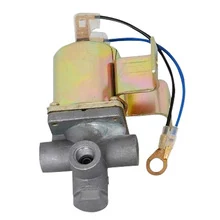
A solenoid valve controls the flow of air or fuel in a commercial vehicle system using an electromagnetic coil. When energised, the coil pulls a plunger that opens or closes a port, allowing or blocking fluid flow. In air systems, it manages clutch release, brake charging, or suspension control. In fuel systems, it regulates fuel delivery to injectors or engine start. The valve remains closed when de-energised unless it is spring-loaded to open. Failure occurs when the plunger sticks due to contamination, coil burnout, or mechanical wear.
Start With the OEM Number Not the Vehicle Model
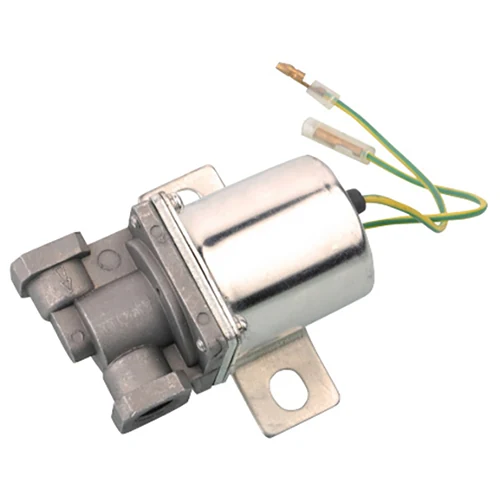
The most reliable way to identify a replacement is the OEM number printed on the original valve body. A single vehicle model can use multiple solenoid valves depending on the system configuration. The OEM number links directly to the valve's internal design, port size, flow rate, and coil voltage. Never assume a part number from one brand matches another, even if the vehicle is the same. Photograph the number and the connector face before ordering.
Confirm the Coil Voltage Before You Buy
Commercial vehicles use either 12V or 24V systems. A 12V coil on a 24V circuit will burn out quickly. A 24V coil on a 12V circuit may not generate enough force to open the plunger. The voltage is printed on the original valve body and in every product name in our catalogue. Always match the coil voltage exactly to avoid premature failure.
Two Way and Three Way Valves Are Not Interchangeable
A two way valve has one inlet and one outlet, used for on/off control. A three way valve has one inlet, two outlets, and is used for directional control, such as clutch release or brake charging. The port configuration and internal flow path differ. Installing a two way valve in a three way system will not function. Check the number of ports and the system diagram before ordering.
Contamination Is the Main Cause of Failure
Dirt, moisture, or degraded fluid in the air or fuel line can clog the valve plunger or seat. This causes the plunger to stick open or closed, leading to system failure. The most common symptom is a clutch that will not release or a brake that will not charge. Use clean air lines, install filters upstream, and replace the valve if it fails due to contamination.
Duty Cycle Determines How Often the Valve Operates
A valve rated for continuous duty can be energised for long periods without overheating. A valve rated for intermittent duty must cool between cycles. Using an intermittent valve in a continuous application will cause coil burnout. Check the duty cycle rating on the original valve and match it exactly. The rating is not always printed, so confirm with the OEM number.
Cross Referencing Before a Bulk Order
One physical valve can carry multiple numbers: the OEM number, the vehicle maker's number, and the manufacturer's factory number. They all refer to the same unit. When ordering across multiple brands, list every number you have for each line and ask for confirmation against a photograph of the valve body. It costs one message and prevents a container of non-matching parts.
What to Send When You Ask for a Quote
Send the OEM number printed on the original valve, a photograph of the valve body showing the port layout and coil type, the system voltage, the vehicle brand and model, and the expected annual quantity. That is enough to confirm the part and price it properly. If trialling a new part number, request a sample first: the sample is free and you cover the freight.
Parts Covered in This Guide
via WhatsApp
Quick Answers
Why does my clutch not release after replacing the solenoid valve?
Check the valve's port configuration. A two way valve cannot replace a three way valve in a clutch release system. Also confirm the coil voltage and that the air line is clean and free of contamination.
Can I use a 24V solenoid valve on a 12V truck?
No. The coil will not generate enough magnetic force to open the plunger. It may not function at all or fail after a few cycles. Always match the coil voltage to the system.
What is the difference between a two way and three way solenoid valve?
A two way valve has one inlet and one outlet, used for on/off control. A three way valve has one inlet and two outlets, used for directional control, such as clutch release or brake charging.
My solenoid valve gets hot during operation. Is that normal?
Some heat is normal, but excessive heat indicates the valve is operating beyond its duty cycle. Check if it is rated for continuous duty. If not, it may be overused or the coil is shorted.
How do I confirm a cross reference before ordering in volume?
Send the OEM number and a photograph of the valve body. We confirm the match against the physical part before the order is placed.
Can I get a sample before committing to a fleet order?
Yes. Samples are free of charge and you cover the freight cost.
More Guides
How to Choose a Flasher Relay for Heavy Trucks
A flasher relay controls the on-off cycle of the turn signals in a commercial vehicle. It receives a signal from the steering colu
Truck Starter Relay Failure Symptoms and Diagnosis
A starter relay is the high-current switch in the starting circuit. When the ignition key is turned, the relay closes a heavy cont
Brake Light Switch and Back Lamp Switch Explained
The brake light switch is a safety device that closes the circuit when the brake pedal is pressed, sending power to the stop lamps
Still Not Sure Which Part You Need
Send a photograph of the connector face and the number printed on the original unit. We confirm the match before you order.