Silicone Emulsion vs Silicone Rubber: Key Benefits and Applications
This article also compares BLISSAM’s offerings with those of peer companies, providing insights to help industries choose the best silicone material for their needs.
Industry News
Silicone materials have become indispensable across various industries due to their flexibility, durability, and unique chemical properties. Among these materials, silicone emulsion and silicone rubber are two of the most widely used forms, each with distinct benefits and applications. BLISSAM, a leader in silicone-based solutions, explores the critical differences, advantages, and ideal applications of silicone emulsion and silicone rubber. This article also compares BLISSAM’s offerings with those of peer companies, providing insights to help industries choose the best silicone material for their needs.
What is Silicone Emulsion?
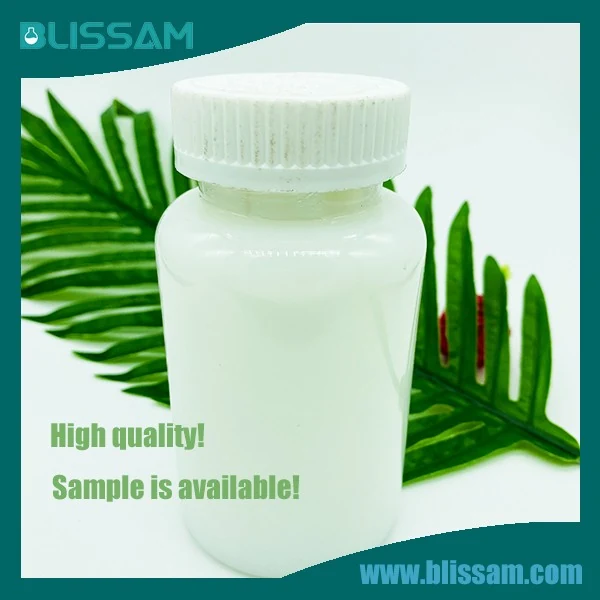
Silicone emulsion is a mixture of silicone oil and water stabilized by an emulsifying agent. This form of silicone is water-dispersible, meaning it can be easily applied to various surfaces and diluted to different concentrations. Available in different viscosities, silicone emulsion is often used in applications where smoothness, shine, and lubrication are required.
Key Benefits of Silicone Emulsion
- Easy Application and Versatility Silicone emulsion can be diluted to desired concentrations, making it easy to apply across different surfaces, including leather, rubber, plastics, and textiles. It can be sprayed, brushed, or wiped on, depending on the application.
Easy Application and Versatility Silicone emulsion can be diluted to desired concentrations, making it easy to apply across different surfaces, including leather, rubber, plastics, and textiles. It can be sprayed, brushed, or wiped on, depending on the application.
- Heat and Water Resistance Once applied and dried, silicone emulsion forms a hydrophobic layer that is resistant to moisture, heat, and oxidation. This makes it ideal for automotive polishes, textile finishes, and release agents in mold-making.
Heat and Water Resistance Once applied and dried, silicone emulsion forms a hydrophobic layer that is resistant to moisture, heat, and oxidation. This makes it ideal for automotive polishes, textile finishes, and release agents in mold-making.
- Enhanced Lubrication and Surface Protection The emulsion’s lubrication properties reduce friction, wear, and tear on surfaces. It also protects materials from UV light and oxidation, increasing the lifespan of treated items.
Enhanced Lubrication and Surface Protection The emulsion’s lubrication properties reduce friction, wear, and tear on surfaces. It also protects materials from UV light and oxidation, increasing the lifespan of treated items.
- Eco-Friendly Options Some silicone emulsions are formulated without solvents, making them an eco-friendly choice for applications where environmental safety is a priority.
Eco-Friendly Options Some silicone emulsions are formulated without solvents, making them an eco-friendly choice for applications where environmental safety is a priority.
Applications of Silicone Emulsion
- Automotive Industry : Used for polishes and tire shines due to its ability to provide a glossy, water-resistant coating.
Automotive Industry : Used for polishes and tire shines due to its ability to provide a glossy, water-resistant coating.
- Textile and Leather Finishing : Adds a soft feel, water repellency, and improved durability.
Textile and Leather Finishing : Adds a soft feel, water repellency, and improved durability.
- Mold Release Agents : In manufacturing, it’s used to prevent materials from sticking to molds.
Mold Release Agents : In manufacturing, it’s used to prevent materials from sticking to molds.
- Personal Care : Found in hair care and skin care products for added smoothness and shine.
Personal Care : Found in hair care and skin care products for added smoothness and shine.
What is Silicone Rubber?
Silicone rubber is a flexible, durable elastomer with excellent temperature resistance and chemical stability. It is available in solid and liquid forms and can be molded, extruded, or cast into a variety of shapes. This material is valued for its elasticity, durability, and biocompatibility, making it a go-to for many demanding applications.
Key Benefits of Silicone Rubber
- High-Temperature Resistance Silicone rubber can withstand extreme temperatures, typically ranging from -60°C to +250°C, with specialty grades that handle even higher temperatures. This makes it suitable for applications in automotive, aerospace, and industrial sectors.
High-Temperature Resistance Silicone rubber can withstand extreme temperatures, typically ranging from -60°C to +250°C, with specialty grades that handle even higher temperatures. This makes it suitable for applications in automotive, aerospace, and industrial sectors.
- Exceptional Durability and Flexibility Silicone rubber is highly elastic, providing superior resilience against wear, abrasion, and mechanical stress. This flexibility is retained even at low temperatures, making it suitable for outdoor applications.
Exceptional Durability and Flexibility Silicone rubber is highly elastic, providing superior resilience against wear, abrasion, and mechanical stress. This flexibility is retained even at low temperatures, making it suitable for outdoor applications.
- Biocompatibility Medical-grade silicone rubber is hypoallergenic, non-toxic, and safe for human contact, making it ideal for medical devices, implants, and prosthetics.
Biocompatibility Medical-grade silicone rubber is hypoallergenic, non-toxic, and safe for human contact, making it ideal for medical devices, implants, and prosthetics.
- Electrical Insulation Its high dielectric strength and resistance to electric currents make silicone rubber a preferred material in electrical and electronic applications.
Electrical Insulation Its high dielectric strength and resistance to electric currents make silicone rubber a preferred material in electrical and electronic applications.
Applications of Silicone Rubber
- Automotive and Aerospace : Used in seals, gaskets, and hoses due to high thermal stability.
Automotive and Aerospace : Used in seals, gaskets, and hoses due to high thermal stability.
- Medical and Healthcare : Employed in medical devices, tubing, and implants for its safety and biocompatibility.
Medical and Healthcare : Employed in medical devices, tubing, and implants for its safety and biocompatibility.
- Consumer Products : Found in kitchenware, phone cases, and other consumer items due to its durability and heat resistance.
Consumer Products : Found in kitchenware, phone cases, and other consumer items due to its durability and heat resistance.
- Electronics : Used as an insulator in wires and cables due to its high dielectric strength and resistance to electrical currents.
Electronics : Used as an insulator in wires and cables due to its high dielectric strength and resistance to electrical currents.
Comparing BLISSAM’s Silicone Emulsion and Silicone Rubber to Peer Products
Section Title: How BLISSAM’s Silicone Emulsion and Silicone Rubber Compare to Peer Products
BLISSAM offers both high-performance silicone emulsion and silicone rubber, designed with advanced formulations to meet diverse industrial needs. Here’s how BLISSAM’s products stand out compared to leading competitors, including Dow, Wacker, and Shin-Etsu.
1. Performance in High Temperatures BLISSAM’s silicone rubber withstands temperatures up to 270°C, outperforming some competing products that cap at 250°C. For example, in the automotive and aerospace sectors, BLISSAM’s products maintain integrity and elasticity even in extreme conditions, reducing the risk of part failure.
2. Superior Environmental and UV Resistance BLISSAM’s silicone emulsion offers a UV-resistant formulation, lasting 20-30% longer in outdoor applications than peer products. In applications like automotive polishes and textile coatings, BLISSAM’s emulsions provide more durable protection against sunlight, enhancing the appearance and lifespan of treated surfaces.
3. Cost-Effectiveness and Customization Options BLISSAM offers a range of viscosities and concentrations for its silicone emulsion, allowing clients to customize solutions based on their specific needs. Additionally, BLISSAM’s silicone emulsion is priced competitively, typically 10% lower than comparable offerings from major brands, which provides excellent value without compromising quality.
4. Medical-Grade Options For the medical sector, BLISSAM’s silicone rubber meets stringent biocompatibility standards, including ISO 10993 certification, making it suitable for long-term human contact. This sets it apart from competitors with limited medical-grade options.
Industry-Specific Applications of Silicone Emulsion and Silicone Rubber
Various industries benefit from the unique properties of both silicone emulsion and silicone rubber. Here’s a look at how BLISSAM’s products excel in specific sectors:
- Automotive and Transportation Silicone emulsion is commonly used as a polish and protectant for automotive interiors and tires, providing a water-resistant, glossy finish. BLISSAM’s high-viscosity silicone emulsion, formulated to withstand temperatures up to 150°C, is used to protect tires and plastic parts from cracking and fading. On the other hand, silicone rubber is used for seals, hoses, and gaskets, providing flexibility and durability in high-temperature engine environments.
Automotive and Transportation Silicone emulsion is commonly used as a polish and protectant for automotive interiors and tires, providing a water-resistant, glossy finish. BLISSAM’s high-viscosity silicone emulsion, formulated to withstand temperatures up to 150°C, is used to protect tires and plastic parts from cracking and fading. On the other hand, silicone rubber is used for seals, hoses, and gaskets, providing flexibility and durability in high-temperature engine environments.
- Healthcare and Medical Devices Silicone rubber’s biocompatibility makes it essential for medical devices and prosthetics. BLISSAM’s medical-grade silicone rubber is used in applications such as respiratory masks, tubing, and surgical tools. In addition, silicone emulsion is used in wound care products for its skin-friendly properties and water resistance.
Healthcare and Medical Devices Silicone rubber’s biocompatibility makes it essential for medical devices and prosthetics. BLISSAM’s medical-grade silicone rubber is used in applications such as respiratory masks, tubing, and surgical tools. In addition, silicone emulsion is used in wound care products for its skin-friendly properties and water resistance.
- Consumer Electronics Silicone rubber provides excellent electrical insulation, making it ideal for protective casings and insulation in electronic devices. BLISSAM’s silicone rubber for electronics is specifically designed to resist high temperatures and provide flexibility, essential for wearable technology and mobile devices.
Consumer Electronics Silicone rubber provides excellent electrical insulation, making it ideal for protective casings and insulation in electronic devices. BLISSAM’s silicone rubber for electronics is specifically designed to resist high temperatures and provide flexibility, essential for wearable technology and mobile devices.
- Textile and Leather Finishing Silicone emulsion is extensively used in the textile industry to add softness, water repellency, and durability to fabrics. BLISSAM’s textile-grade silicone emulsion provides long-lasting smoothness and shine to leather products, making it a preferred choice for high-quality leather goods.
Textile and Leather Finishing Silicone emulsion is extensively used in the textile industry to add softness, water repellency, and durability to fabrics. BLISSAM’s textile-grade silicone emulsion provides long-lasting smoothness and shine to leather products, making it a preferred choice for high-quality leather goods.
Technical Specifications of BLISSAM’s Silicone Emulsion and Silicone Rubber
Below are some specific parameters for BLISSAM’s silicone products, highlighting their performance capabilities:
- Silicone Emulsion
Silicone Emulsion
- Viscosity Range: 100-1,000 cSt, allowing for versatile applications from polishing to lubrication.
Viscosity Range: 100-1,000 cSt, allowing for versatile applications from polishing to lubrication.
- Temperature Stability: Up to 150°C, suitable for automotive and textile applications.
Temperature Stability: Up to 150°C, suitable for automotive and textile applications.
- UV Resistance: Lasts 20% longer than standard silicone emulsions, enhancing durability in outdoor settings.
UV Resistance: Lasts 20% longer than standard silicone emulsions, enhancing durability in outdoor settings.
- Dilution Ratio: Customizable from 1:10 to 1:50, offering flexibility in concentration based on the application.
Dilution Ratio: Customizable from 1:10 to 1:50, offering flexibility in concentration based on the application.
- Silicone Rubber
Silicone Rubber
- Temperature Range: -60°C to +270°C, providing superior performance in extreme environments.
Temperature Range: -60°C to +270°C, providing superior performance in extreme environments.
- Tensile Strength: Up to 8.5 MPa, offering high resilience and durability.
Tensile Strength: Up to 8.5 MPa, offering high resilience and durability.
- Elongation at Break: Up to 600%, ensuring flexibility even under high mechanical stress.
Elongation at Break: Up to 600%, ensuring flexibility even under high mechanical stress.
- Dielectric Strength: 20-25 kV/mm, ideal for insulation in electrical applications.
Dielectric Strength: 20-25 kV/mm, ideal for insulation in electrical applications.
Choosing Between Silicone Emulsion and Silicone Rubber
When selecting between silicone emulsion and silicone rubber, it’s essential to consider the specific needs of your application. Silicone emulsion is ideal for applications requiring surface protection, smoothness, or lubrication, and it’s particularly useful in industries like automotive and textiles. Silicone rubber, however, is preferred when durability, temperature resistance, and flexibility are critical, such as in the medical, automotive, and electronics sectors.
Conclusion
Both silicone emulsion and silicone rubber offer unique benefits, making them indispensable across various industries. Whether it’s the smooth finish and lubrication properties of silicone emulsion or the durability and flexibility of silicone rubber, each material serves its purpose in maximizing product performance and longevity. BLISSAM’s advanced silicone solutions are designed to meet the diverse needs of industries ranging from automotive to healthcare, providing both high-performance and cost-effective options.
For companies aiming to enhance the quality and lifespan of their products, choosing the right silicone solution—whether emulsion or rubber—can lead to significant improvements in efficiency, reliability, and customer satisfaction. With BLISSAM’s expertise and quality products, industries can confidently select the ideal silicone material tailored to their unique requirements.
RELATED NEWS
- Defoamer vs Water Repellents: Enhancing Efficiency in Production 2024-11-12
- Silicone Release Coating: Critical for Manufacturing Efficiency 2024-11-05
- Silicone Release Coating: Benefits for Food Packaging 2024-11-04
- Defoamer comprehensive guide 2024-10-28
- Silicone Release Coating comprehensive guide 2024-10-28