
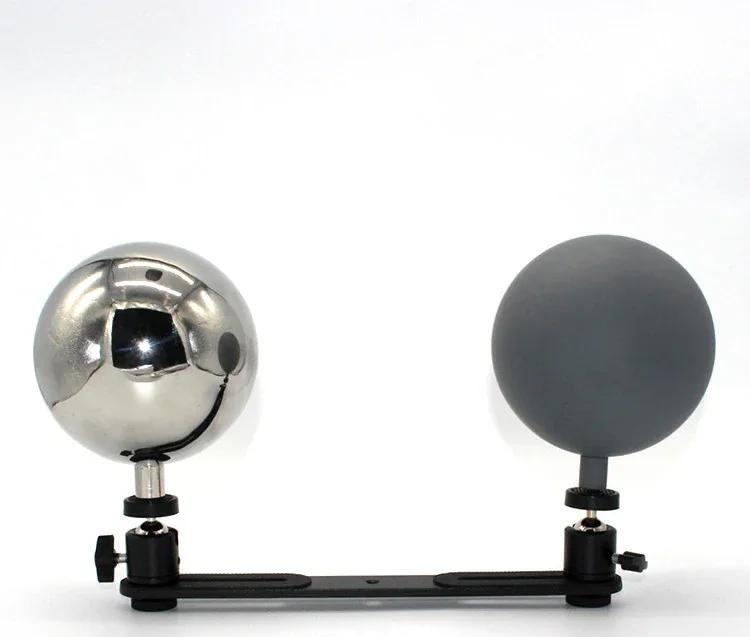
Mirror Polishing Explained for Stainless Steel Sculpture
Why the quality of a mirror finish is decided during welding and fixing, long before the piece reaches the polishing shop.
A Mirror Surface Hides Nothing
Polishing does not fix problems, it reveals them. A weld left slightly proud, a ripple from forming, or a scratch from a late drilling operation is amplified by the reflection and visible from metres away. This is why the difference between a cheap mirror sphere and a good one is almost never the final polishing step.
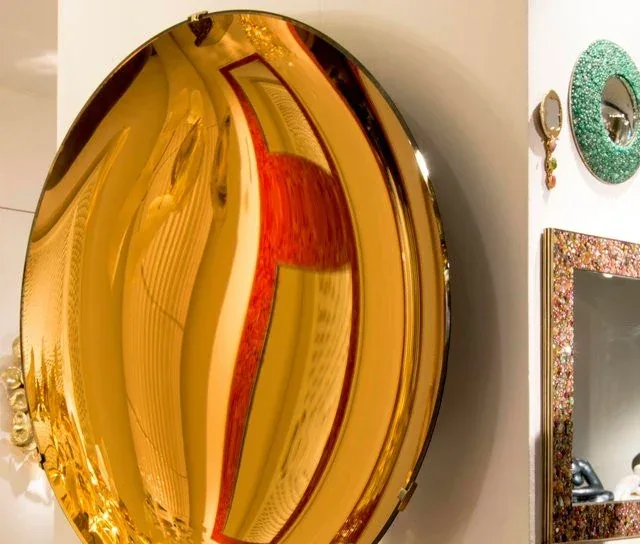
See Modern Concave Mirror Stainless Steel Sculpture
Seam Grinding Is the Real Step
A hollow sphere is two pressed hemispheres welded together. That seam runs all the way around the widest part of the form, exactly where the eye lands. We grind and blend it progressively until the joint no longer reads when the surface is viewed in reflected light. On our VFX spheres the surface passes through more than twenty processes for the same reason: the reflection has to stay clean enough to be used as measurement data.
Everything Sharp Happens Before Polishing
Holes, threads, pedestals, base plates and hanging brackets are all completed before the piece enters the polishing shop. Cutting a hole into a finished mirror surface leaves damage around the fixing that cannot be corrected in place, which is why we ask for hole positions and fixing details with the order rather than after it.
Mirror Is Not Always the Right Answer
Mirror gives the strongest reflection and the biggest visual effect, but it shows every fingerprint. Where a piece sits within reach in a lobby or on a desk, a brushed or matt finish usually looks better after a month of use. We make the same forms in all three finishes, so the decision is about the location rather than the product.
Batch Matching
Two pieces polished weeks apart will not match exactly under the same light. If you are ordering a graded set, a wall group or a run of spheres, order them together so they go through the polishing shop in one batch. This is the single most common cause of disappointment in sets bought piecemeal.

Protecting the Finish
Protective film goes on straight after finishing and stays on through packing, freight and installation. Take it off once the piece is fixed and the site around it is clean. After that, clean water and a soft cloth are all a mirror finish needs; wire brushes, abrasive pads and chloride based cleaners all cause permanent damage.
Products Covered in This Guide
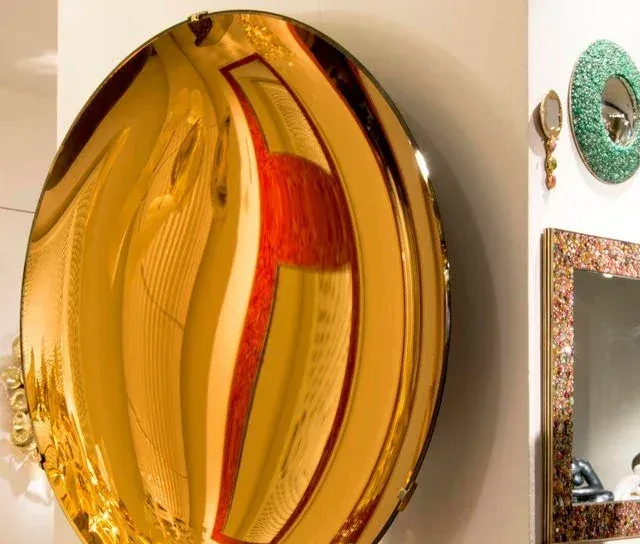 Interior Decoration Sculpture
Modern Concave Mirror Stainless Steel Sculpture
View Details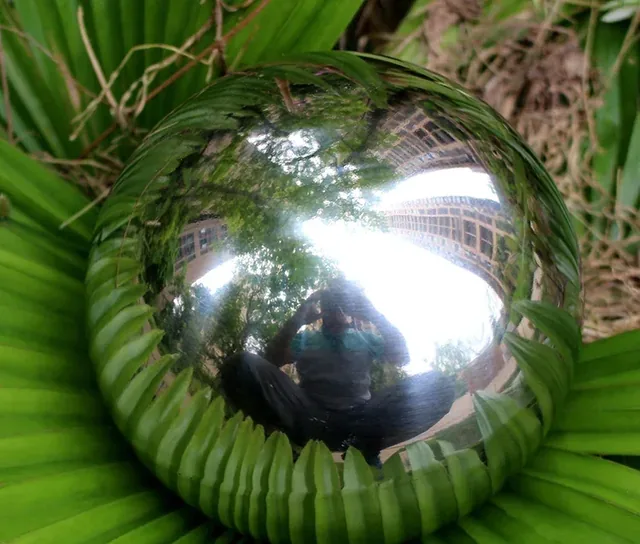 Stainless Steel Spheres
1100mm Mirror Polished Large Stainless Steel Hollow Sphere
View Details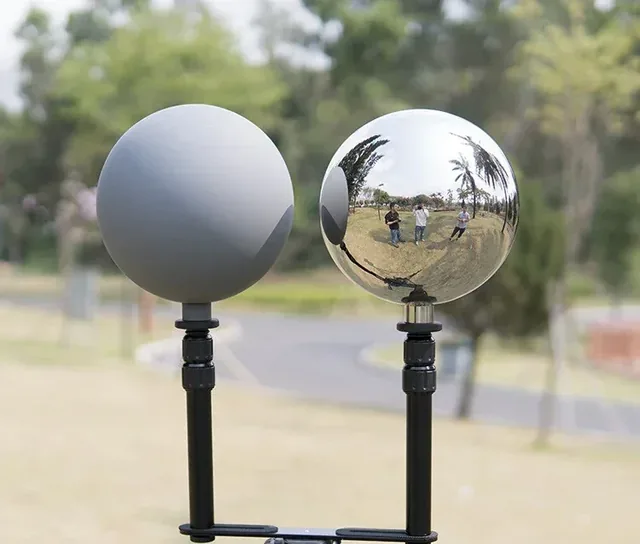 VFX HDRI Spheres
VFX HDRI Reference Ball Set
View Details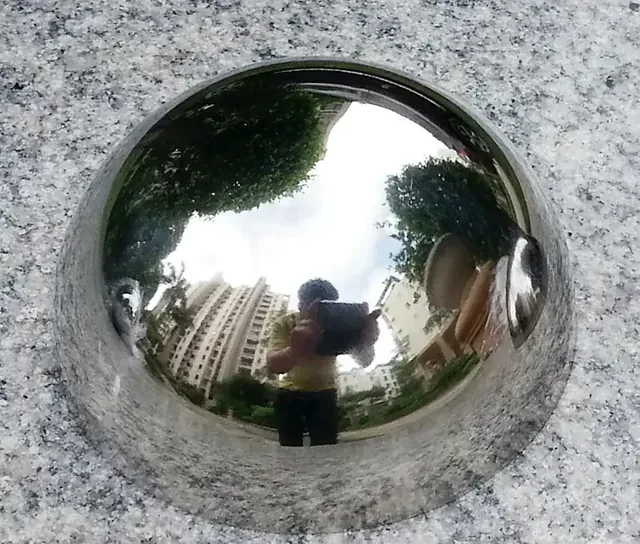 Stainless Steel Half Spheres
Stainless Steel Hemispheres Half Balls
View DetailsQuestions on This Topic
How many polishing stages are there?
The surface is worked through progressive grits rather than jumped. On the VFX spheres the surface passes through more than twenty processes to reach a specular finish.
Can a seam ever be completely invisible?
That is the target. A properly ground and blended seam does not read in reflected light, which is the practical test we use.
Should I choose mirror or brushed for a hotel lobby?
Brushed where guests can touch the piece, mirror where it sits behind a barrier or above reach.
Can you polish a piece I already own?
We polish what we build. Refinishing existing work is not something we take on, because we cannot vouch for what is under the surface.
When should the protective film come off?
Once the piece is fixed in place and the surrounding site is clean.
Ask About Finish Before You Order
Tell us where the piece will stand and who will touch it, and we will recommend mirror, brushed or matt.