
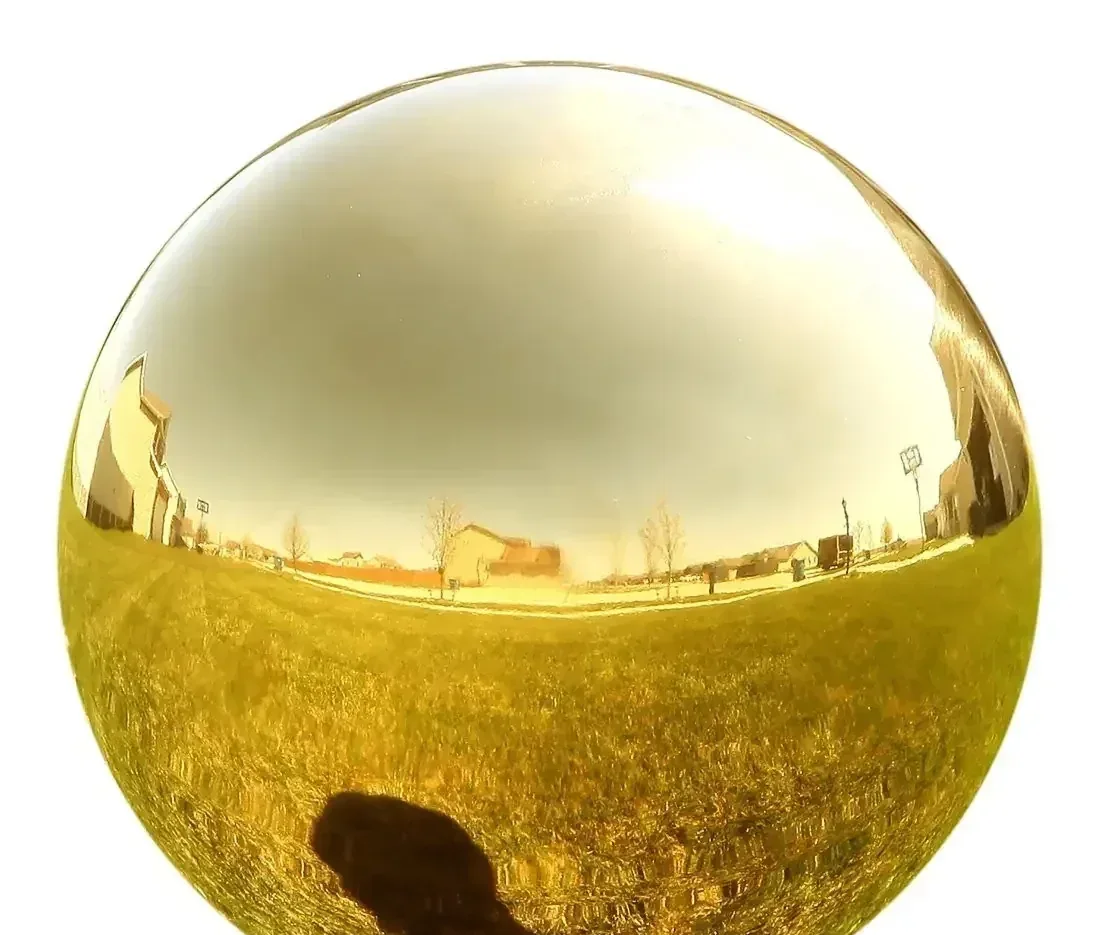
Colour Finishes on Stainless Steel Electroplating and Candy Coating
The three ways we put colour on stainless steel, what each one does to the reflection, and how to specify a colour that will actually match.
Why Not Just Paint It
Paint sits on top of the metal and flattens the reflection, so a painted sphere reads as a plastic object almost immediately. The three routes we use, vacuum metallising, electroplating and candy colour spray over a metallised base, all keep the depth of the metal underneath, which is why coloured stainless steel still looks like metal rather than like a coloured ball.
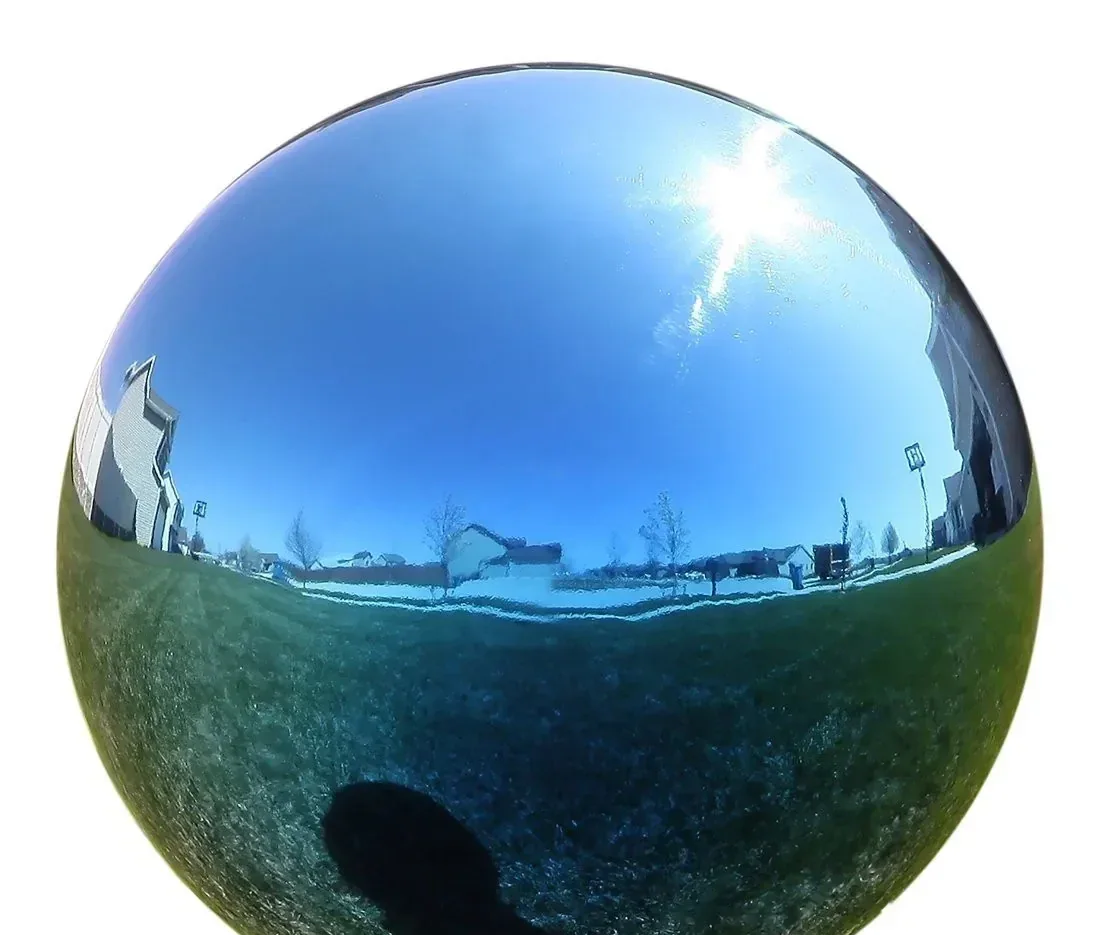
See Colour Plated Stainless Steel Ball
Vacuum Metallising
A metallised layer is applied under vacuum. On its own it produces bright metallic finishes, and it also provides the base for transparent candy colours. It is the usual starting point when the finish has to hold a metallic reading at a distance rather than a specific flat colour.
Electroplating
Electroplating is used where the colour has to be deep and even across a large curve. Gold and rose tones in particular are difficult to make convincing by spraying, and plating gives them the density they need. Our gold and rose gold pieces are made this way.
Candy Colour Spray
Transparent and matt candy colours are sprayed over a metallised base. Because the colour is transparent, the metal underneath still contributes to the finish, and the shade can be tuned rather than picked from a fixed list. Where the colour matters we supply a sample before the batch runs, because a shade on a mirror curve rarely looks like the same shade on a flat swatch.
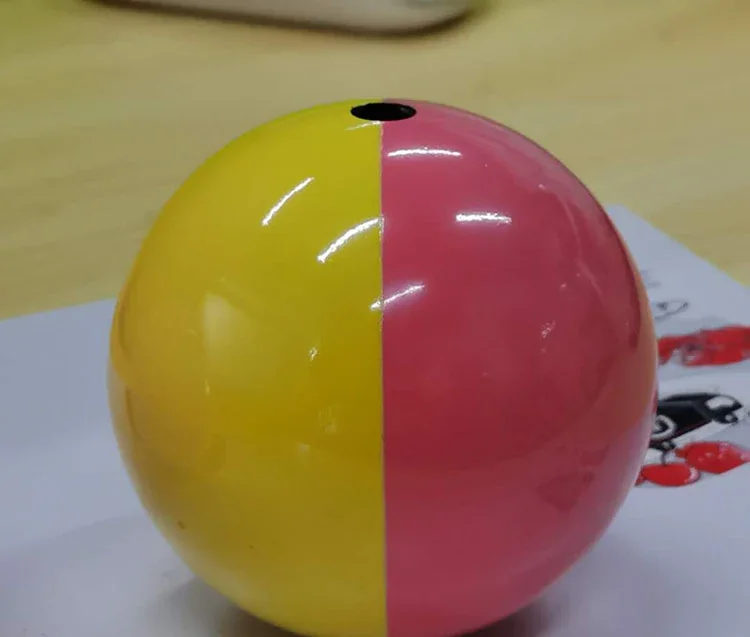
See Stainless Steel Seamless Double - Colour Hollow Ball Sculpture
Colour Does Not Replace Grade
A coating is not a substitute for the right steel. If the piece stands near the sea or beside a pool, specify AISI 316 under the colour. The base grade stays your choice on every coloured item in the catalogue.
Matching a Set
Colour drifts between production runs, and on a graded set that drift is immediately visible. Order the whole run together so it is coated in one batch. This is the same rule as for mirror polishing and it is the most common reason a set bought in stages looks wrong on site.
Products Covered in This Guide
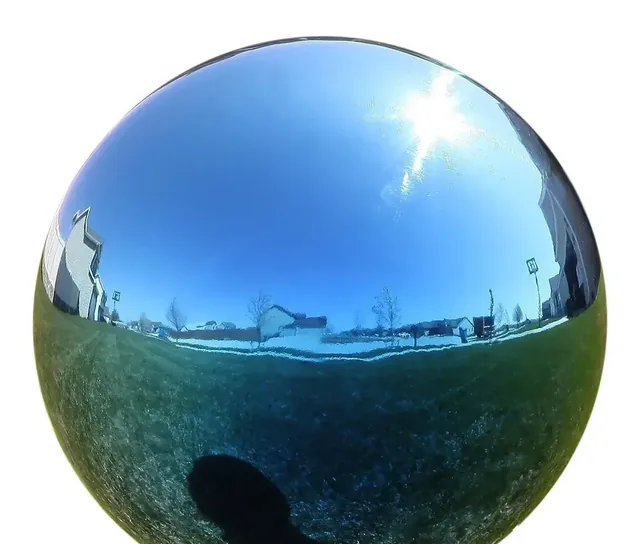 Stainless Steel Spheres
Colour Plated Stainless Steel Ball
View Details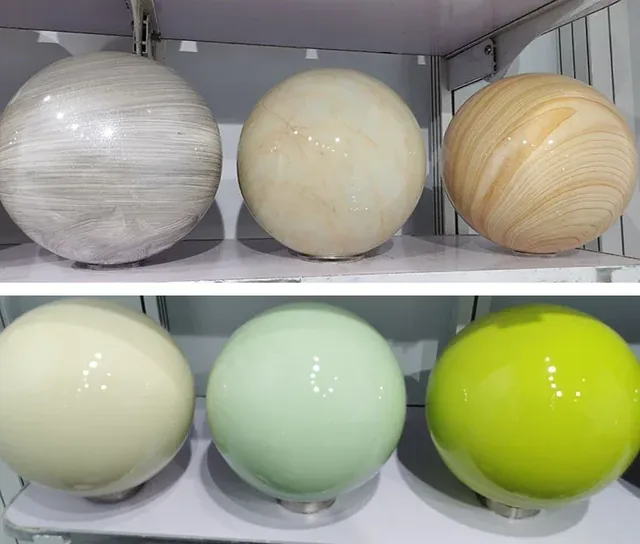 Interior Sphere Sculpture
Colourful Metal Garden Ball Stainless Steel Hollow Sphere Sculpture
View Details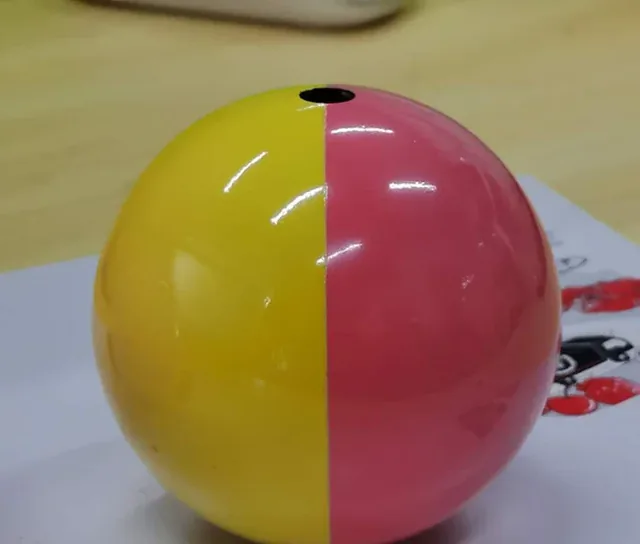 Interior Sphere Sculpture
Stainless Steel Seamless Double - Colour Hollow Ball Sculpture
View Details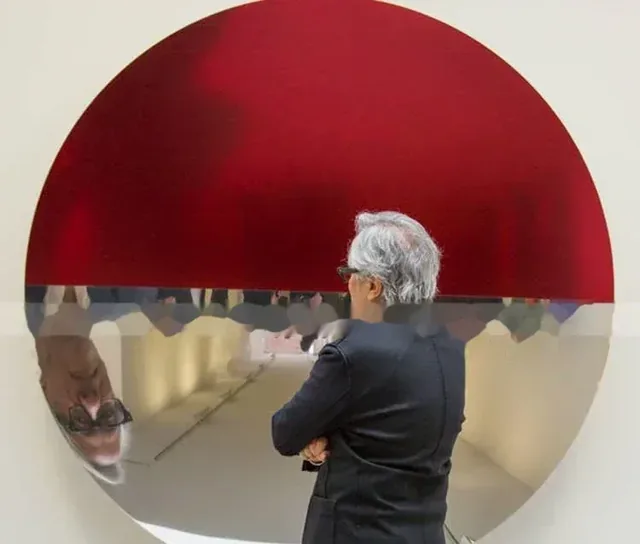 Interior Decoration Sculpture
Kapoors Abstract Decorative Stainless Steel the Gradient Colour Concave Mirror Sculpture
View DetailsQuestions on This Topic
Which colour route lasts longest outdoors?
It depends on the shade and the exposure. Tell us where the piece stands and we will recommend the route, and specify 316 underneath where chloride is a factor.
Can you match a Pantone or a paint reference?
We can work to a reference with a sample before the batch runs. Expect a shade to read differently on a mirror curve than on a flat card.
Can a piece be two colours?
Yes. Two tone and gradient finishes are made on a single piece.
Does colour hide surface flaws?
No, it magnifies them. Seam grinding matters as much under a bright coating as under a mirror polish.
Will a repeat order match my first one?
Not reliably. Order a full set together if the pieces have to match each other.
Send a Colour Reference and a Diameter
We will recommend the coating route, supply a sample where it matters, and quote the batch.