
Single Stage Vacuum Pump
A single-stage vacuum pump is a type of pump commonly used in various applications that require the creation of a vacuum. It operates using a single stage of compression, it has one set of rotating vanes or impellers to create the
Introduction
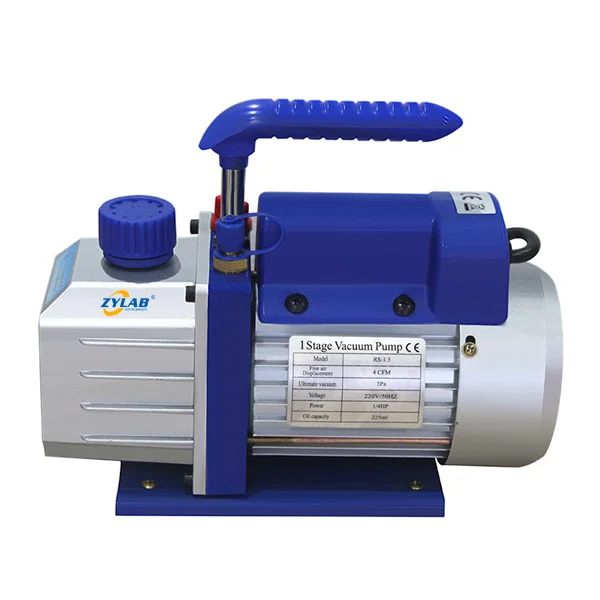
A single-stage vacuum pump is a type of pump commonly used in various applications that require the creation of a vacuum. It operates using a single stage of compression, it has one set of rotating vanes or impellers to create the vacuum.
It can be used alone or as a front stage pump for booster pumps and diffusion pumps. Suitable for electronic device manufacturing, vacuum drying, filtration, impregnation, coating, welding, smelting, and laboratory equipment.
Main Characteristic
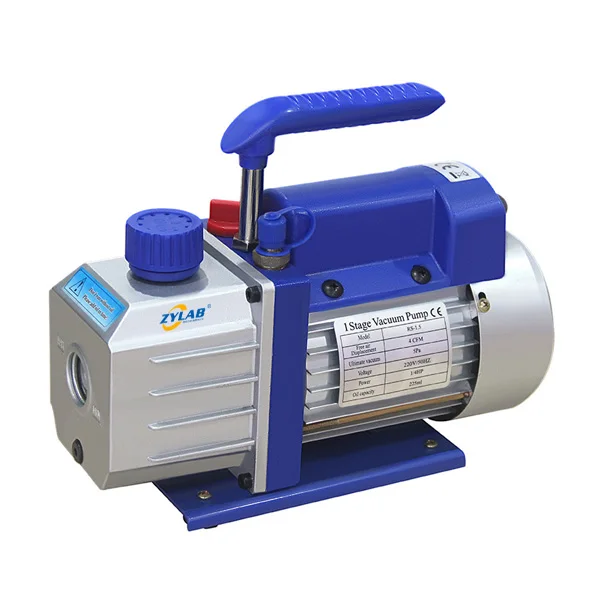
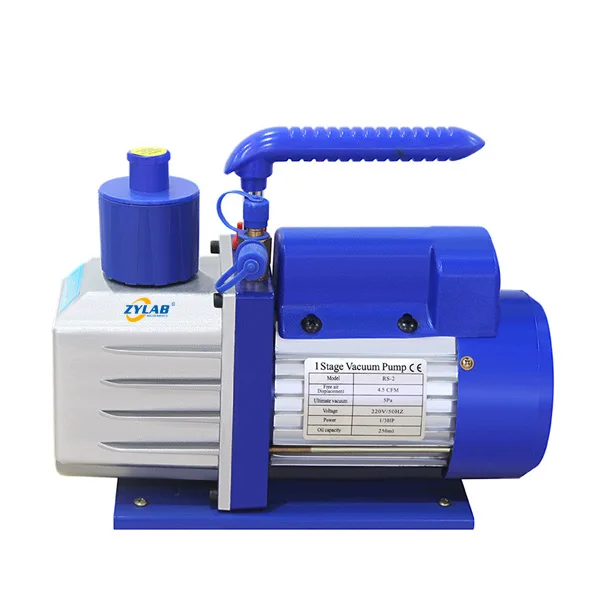
1. Adopting copper wire multi-layer winding motor, providing stable high-power output and long service life.
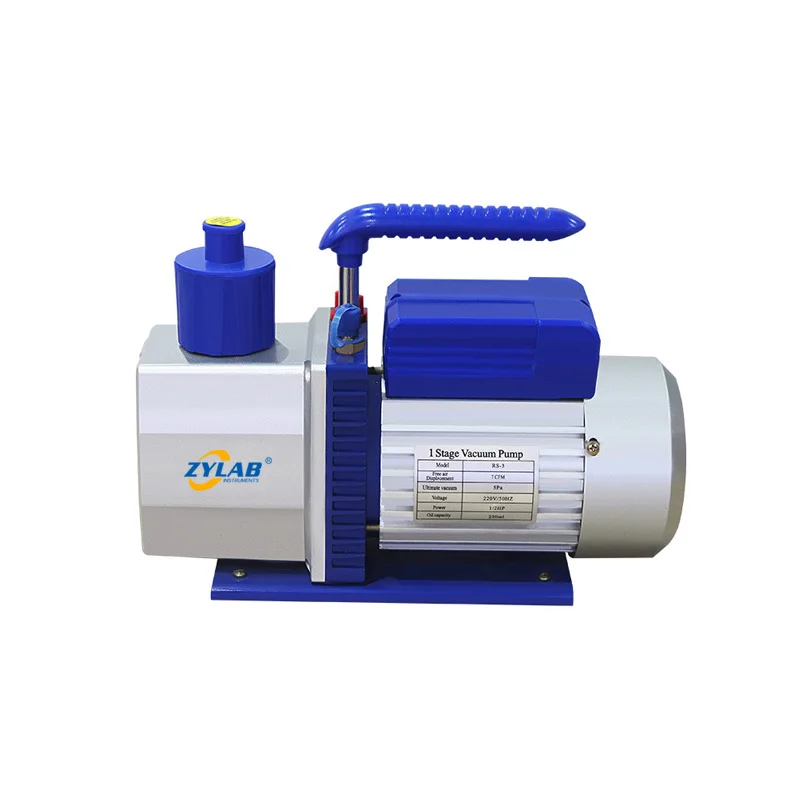
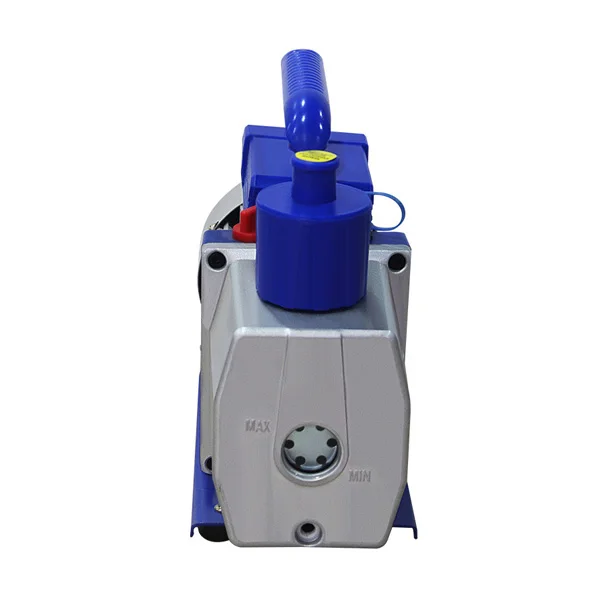
2. Large visible oil window to prevent oil shortage.
3. Integral cylinder structure, high precision, high ultimate vacuum.
4. 5-layer filtration effectively prevents oil smoke splashing and reduces noise.
Applications
Single-stage vacuum pumps have a variety of applications across different industries. Here are some common applications where single-stage vacuum pumps are used:
1. Vacuum Filtration
Single-stage vacuum pumps are often employed in laboratories for vacuum filtration processes. They create a vacuum to draw the liquid through a filter, separating solids from the liquid phase.
2. Vacuum Drying
Single-stage vacuum pumps are used in vacuum drying processes to remove moisture from products or materials. They facilitate faster and more efficient drying by creating a vacuum environment that promotes the evaporation of moisture.
3. Degassing
In industries such as electronics, pharmaceuticals, and food processing, single-stage vacuum pumps are used for degassing processes. They remove dissolved gases from liquids or materials to improve their quality or performance.
4. Laboratory Applications
Single-stage vacuum pumps are utilized in various laboratory procedures, such as vacuum distillation, rotary evaporation, vacuum ovens, and freeze drying. They enable researchers to create and control a vacuum environment for experimental purposes.
5. Analytical Instruments
Single-stage vacuum pumps are utilized in analytical instruments like mass spectrometers and electron microscopes. They create a vacuum environment necessary for accurate measurements and sample analysis.
These are just a few examples of the diverse range of applications where single-stage vacuum pumps are employed. The specific choice of vacuum pump depends on the requirements of the application, including the desired vacuum level, pumping speed, and any specific environmental or operational considerations.
Benefits
Single-stage vacuum pumps offer several benefits that make them valuable for various applications. Here are some key benefits of using a single-stage vacuum pump:
1. Cost-effective
Single-stage vacuum pumps are generally more affordable compared to high-vacuum pumps or multi-stage vacuum systems. They provide a cost-effective solution for applications that require moderate vacuum levels without the need for ultra-high vacuum capabilities.
2. Versatility
Single-stage vacuum pumps are versatile and suitable for a wide range of applications. They can be used in laboratories, industrial processes, HVAC systems, packaging, and more. Their flexibility allows them to be employed in different industries and settings.
3. Simplicity
Single-stage vacuum pumps have a relatively simple design with fewer moving parts compared to complex high-vacuum systems. This simplicity makes them easier to operate and maintain, reducing the chances of breakdowns or maintenance issues.
4. Compact and Portable
Single-stage vacuum pumps are often compact and lightweight, making them easier to transport and install. This portability allows for flexibility in different work environments and makes them suitable for applications where space is limited.
5. Moderate Vacuum Levels
Single-stage vacuum pumps are capable of achieving moderate vacuum levels, typically in the range of a few millibars to several hundred millibars. These levels are sufficient for many common applications, including vacuum filtration, degassing, and vacuum drying.
6. Reliability
Single-stage vacuum pumps are known for their reliability and durability. With proper maintenance and care, they can provide consistent performance over an extended period.
7. Lower Power Consumption
Single-stage vacuum pumps generally consume less power compared to high-vacuum pumps, reducing energy costs in operation.
8. Ease of Operation
Single-stage vacuum pumps are typically straightforward to operate, often requiring minimal training or expertise. They often have simple control mechanisms and user-friendly interfaces.
9. Compatibility
Single-stage vacuum pumps can be compatible with a range of gases and can handle various gas compositions without significant limitations.
While single-stage vacuum pumps have numerous advantages, it’s important to consider the specific requirements of your application and ensure that the chosen pump meets those requirements effectively.
FAQ
Q1: What is the difference between a single-stage vacuum pump and a multi-stage vacuum pump?
A1: The main difference lies in the number of stages of compression. A single-stage vacuum pump has only one set of rotating vanes or impellers to create the vacuum, while a multi-stage vacuum pump has multiple sets of vanes or impellers, allowing for more stages of compression and the ability to achieve higher vacuum levels.
Q2: Can a single-stage vacuum pump achieve high vacuum levels?
A2: Single-stage vacuum pumps are typically designed to achieve moderate vacuum levels rather than high vacuum levels. They are suitable for applications that require vacuum levels in the range of a few millibars to several hundred millibars. If you need to achieve extremely high vacuum levels, a multi-stage or high-vacuum pump would be more appropriate.
Q3: Do single-stage vacuum pumps require oil?
A3: Yes, it requires oil. It is oil vacuum pump.
Specifications
Figures below are the manufacturer data for this model. Anything not listed is confirmed in writing with the quotation rather than estimated here.
| Model | RS-1 | RS-1.5 | RS-2 | RS-3 | RS-4 | RS-6 | ||||||
|---|---|---|---|---|---|---|---|---|---|---|---|---|
| Voltage | 110V | 220V | 110V | 220V | 110V | 220V | 110V | 220V | 110V | 220V | 110V | 220V |
| 60Hz | 50Hz | 60Hz | 50Hz | 60Hz | 50Hz | 60Hz | 50Hz | 60Hz | 50Hz | 60Hz | 50Hz | |
| Continuation Rate (CFM) | 3 | 2.5 | 4 | 3.5 | 5 | 4.5 | 7 | 6 | 9 | 8 | 12 | 10 |
| Limiting pressure | PA | 2 | 2 | 2 | 2 | 2 | 2 | |||||
| M | 15 | 15 | 15 | 15 | 15 | 15 | ||||||
| Speed(rpm) | 1720 | 1440 | 1720 | 1440 | 1720 | 1440 | 1720 | 1440 | 1720 | 1440 | 1720 | 1440 |
| Power(HP) | 1/4 | 1/3 | 1/3 | 1/2 | 3/4 | 1 | ||||||
| Oil consumption(ML) | 220 | 225 | 250 | 250 | 300 | 450 | ||||||
| Overall dimensions(MM) | 260*110*240 | 275*115*240 | 290*120*240 | 310*125*255 | 360*135*270 | 430*142*280 |
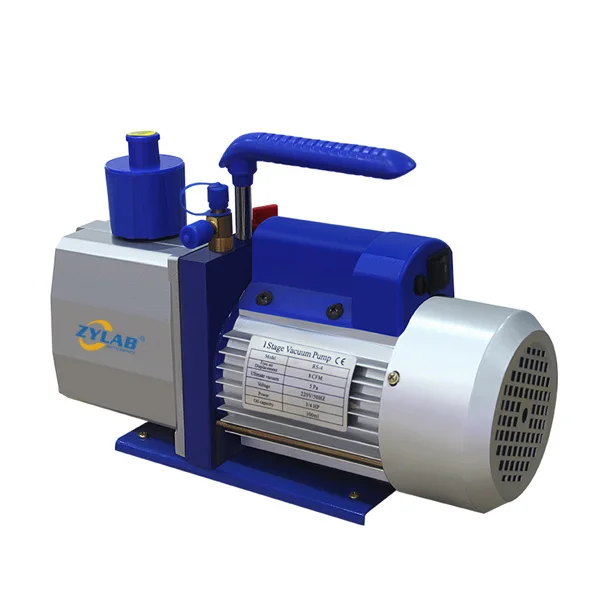
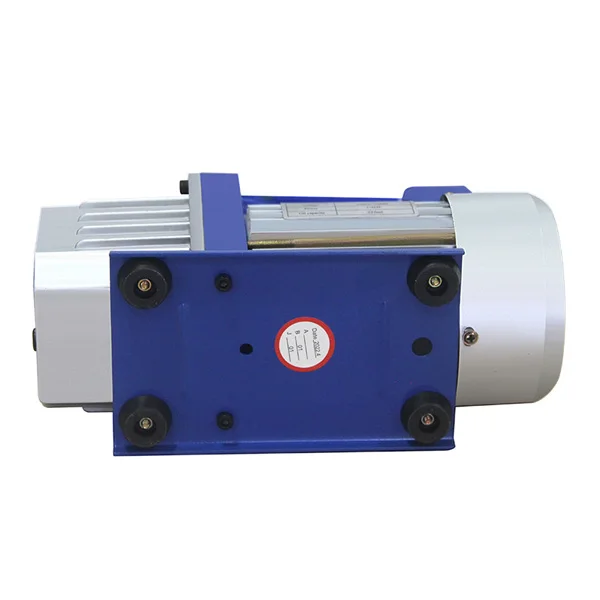
Single Stage Vacuum Pump In Detail
Processes This Unit Supports
These are the applications ZYLAB lists this model under. Each link opens the full equipment set for that process, which is useful when a project needs more than one machine.
Who Orders It
Fields this model already works in, plus what ZYLAB puts behind it: a 2-year warranty on most products, glass excluded, spare parts in stock and free application support by WhatsApp or email.
- University and institute research laboratories
Related Projects
Related Equipment
Models from the same family and the same processes, in case a different chamber size or temperature range fits better.
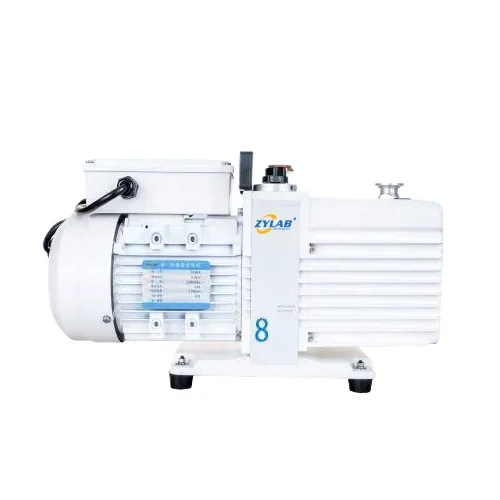
High-Performance Two-Stage Rotary Vane Vacuum Pump for Laboratory
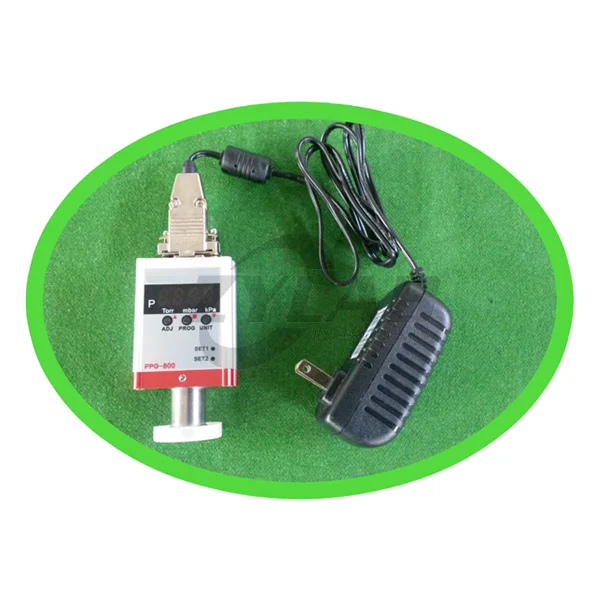
High-Precision Digital Vacuum Gauge
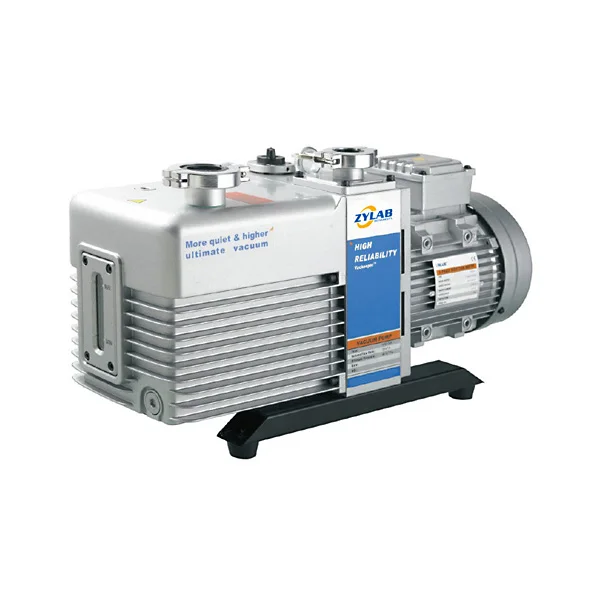
High-Speed Direct-Coupled Lab Mechanical Vacuum Pump – 5×10⁻² Pa Ultimate Pressure
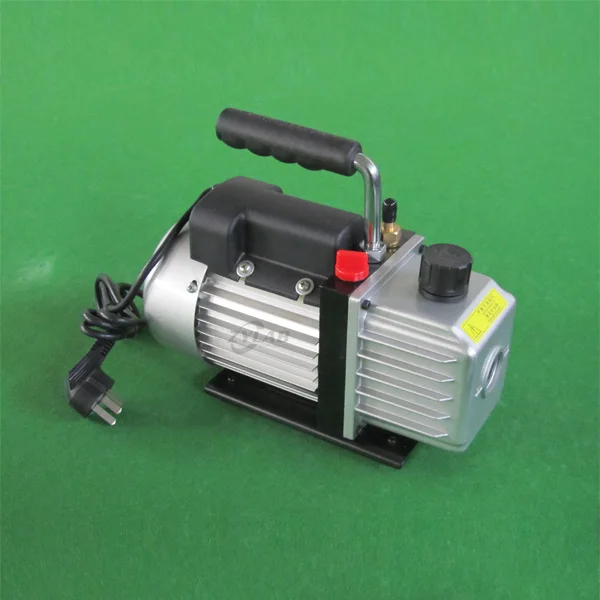
Lab 10pa Direct-Drive Rotary Vane Vacuum Pump for Tube Furnace
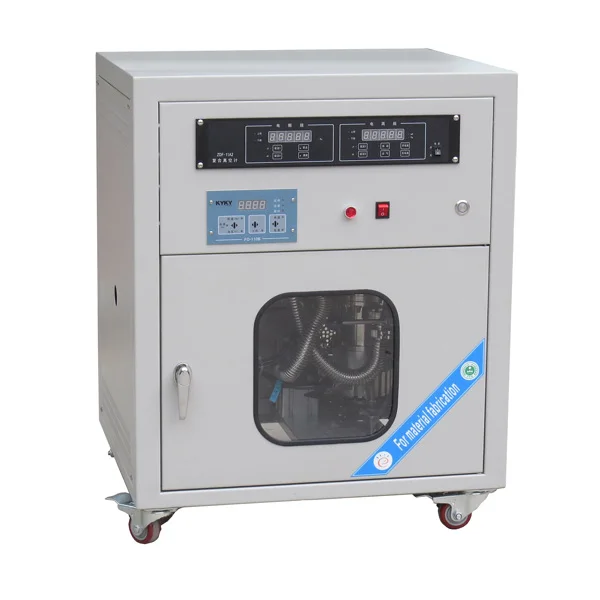
4.4 × 10⁻³ Pa High Vacuum System Molecular Pump Unit
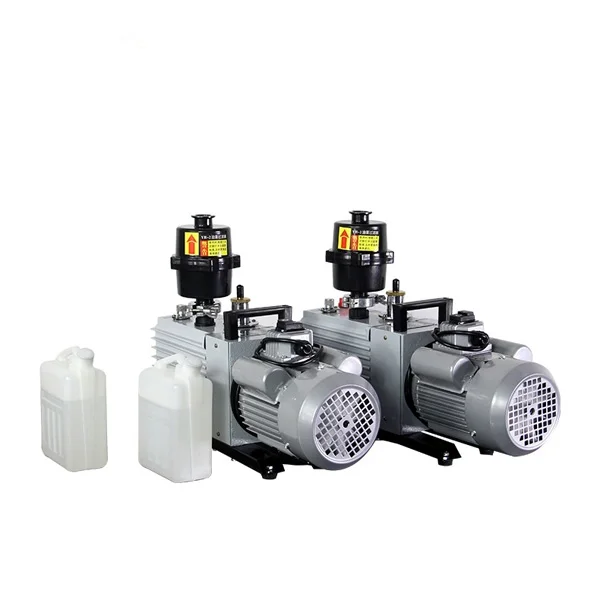
Rotary Vane Vacuum Pump for Vacuum Glove Box
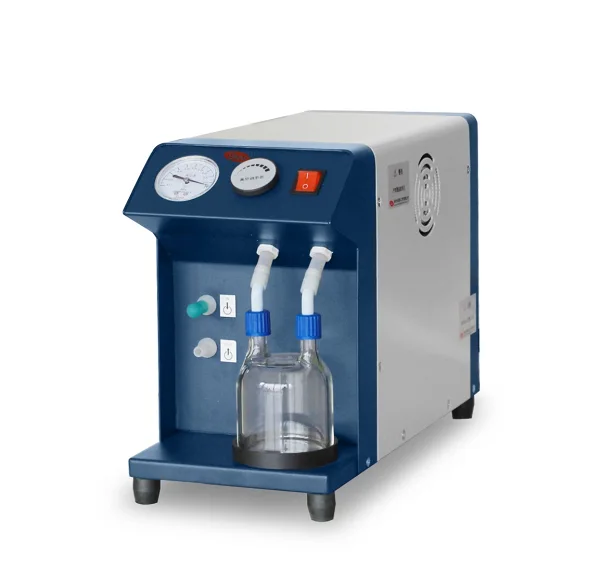
MP-401 Top Quality Diaphragm Vacuum Pump with Special Filter
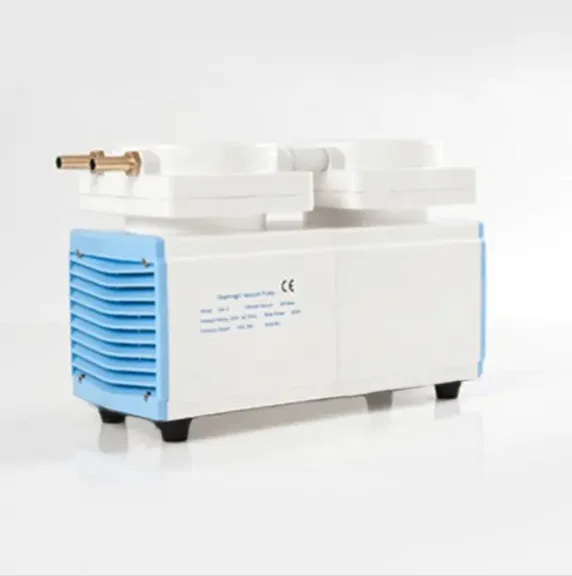
GM-2 High Speed 4cfm Diaphragm Vacuum Pump
Ordering Single Stage Vacuum Pump
What is Single Stage Vacuum Pump typically used for?
A single-stage vacuum pump is a type of pump commonly used in various applications that require the creation of a vacuum. It operates using a single stage of compression, it has one set of rotating vanes or impellers to create the
Can Single Stage Vacuum Pump be customised for our process?
Yes. Chamber or tube size, temperature profile, atmosphere, gas path, control system and data recording can all be adapted. Send us your process conditions and sample details and our engineers work out a configuration with you.
What warranty comes with Single Stage Vacuum Pump?
Most ZYLAB products carry a 2-year warranty, glass components excluded; the exact term for this model is the one printed in its specification table and repeated on the quotation. Within the warranty period any part that fails through no misuse of your own is replaced free of charge.
How can we pay for Single Stage Vacuum Pump?
Bank (wire) transfer, letter of credit for larger orders, major credit and debit cards, and PayPal. Bank details are printed on the invoice; send us the transfer confirmation and we start processing straight away.
How is Single Stage Vacuum Pump packed for export?
Packing is chosen for the safety of the machine against freight cost, typically a plywood or wooden crate with internal padding and vacuum-sealed accessories. Export documents such as Form A, Form E and Form F can be issued to help you save duty.
Quote For Single Stage Vacuum Pump
Tell us the sample, the temperature and the atmosphere. You get the configuration, the price and the despatch date in one reply.