
3N5 (99.95%) Molybdenum (Mo) Pellets Evaporation Materials
Molybdenum evaporation materials are substances used in thin film deposition processes, typically in vacuum deposition techniques such as physical vapor deposition (PVD) or chemical vapor deposition (CVD). These materials are used to coat substrates with molybdenum thin films for various applications in industries...
Introduction
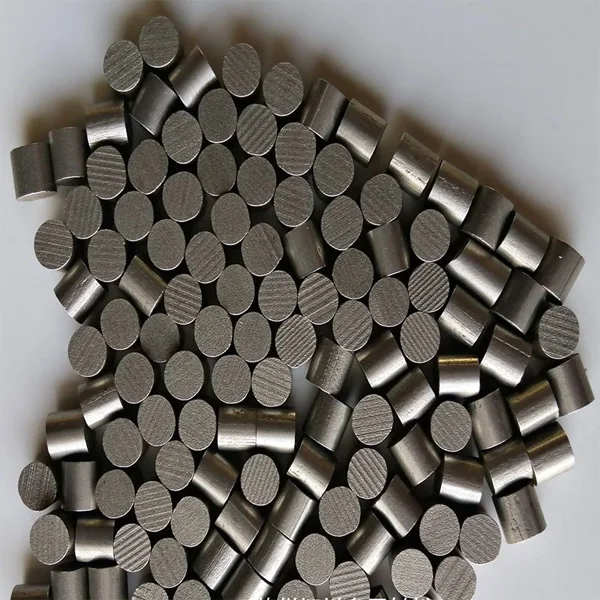
Molybdenum evaporation materials are substances used in thin film deposition processes, typically in vacuum deposition techniques such as physical vapor deposition (PVD) or chemical vapor deposition (CVD). These materials are used to coat substrates with molybdenum thin films for various applications in industries such as electronics, optics, and coatings.
Molybdenum evaporation materials are usually in the form of pellets, rods, or wires, which are heated in a vacuum chamber to the point of evaporation. The evaporated molybdenum atoms then condense onto the surface of the substrate, forming a thin film. These thin films exhibit properties such as high melting point, corrosion resistance, and good electrical and thermal conductivity, making them valuable for a wide range of applications including semiconductor devices, solar cells, optical coatings, and thin film resistors.
1. Stability and Creep Resistance
High Stability: Molybdenum-based alloys exhibit exceptional stability, making them suitable for high-temperature applications such as fission and fusion reactors.
Creep Resistance: Molybdenum alloys offer high creep resistance, ensuring structural integrity and reliability in demanding environments.
2. Thermal Conductivity and Strength
Thermal Conductivity: Molybdenum possesses excellent thermal conductivity, facilitating efficient heat transfer in various industrial processes and applications.
Exceptional Strength: Molybdenum-based alloys demonstrate exceptional strength at high temperatures, making them ideal for use in turbine components, rocket engine nozzles, and missile structures.
3. Wear Resistance and Lubricating Properties
Wear Resistance: Molybdenum coatings exhibit outstanding wear resistance properties, making them suitable candidates for sliding materials in various mechanical systems.
Lubricating Transfer Film: The excellent wear resistance of molybdenum coatings is attributed to the formation of a lubricating transfer film on wear tracks, enhancing durability and performance.
1. Refractory Applications
Molybdenum-based alloys find extensive use in refractory applications, including fission and fusion reactors, rocket engine nozzles, turbines, furnace structural components, and forging dies, owing to their high stability, creep resistance, and thermal conductivity.
2. Wear-Resistant Coatings
Molybdenum coatings are employed in various industries for their exceptional wear resistance properties, serving as protective coatings for machine components, cutting tools, and wear surfaces subjected to abrasive wear.
3. Advanced Sensors and Semiconductors
Molybdenum is evaporated under vacuum to manufacture advanced sensors, semiconductors, and displays, capitalizing on its unique properties and compatibility with semiconductor fabrication processes.
Specification
Our standard size is 2mm Diameter x 2mm Length, and other specifications are also available.Please consult our professional customer service personnel for detailed information.
Our standard packaging sizes include 100 grams, 500 grams, and 1000 grams.
ZYLAB offers a variety of crucibles for evaporation materials.
Processes This Unit Supports
These are the applications ZYLAB lists this model under. Each link opens the full equipment set for that process, which is useful when a project needs more than one machine.
- General laboratory sample preparation
Who Orders It
Fields this model already works in, plus what ZYLAB puts behind it: a 2-year warranty on most products, glass excluded, spare parts in stock and free application support by WhatsApp or email.
- University and institute research laboratories
Related Projects
Related Equipment
Models from the same family and the same processes, in case a different chamber size or temperature range fits better.
3N5 (99.95%) Germanium (Ge) Pieces Evaporation Materials
3N (99.9%) Vanadium (V) Pellets Evaporation Material
4N (99.99%) Ytterbium (Yb) Pellets Evaporation Materials
3N5 (99.95%) Hafnium (Hf) Pellets Evaporation Materials
4N (99.99%) Indium (In) Pellets Evaporation Materials
3N5 (99.95%) Cobalt (Co) Pellets Evaporation Materials
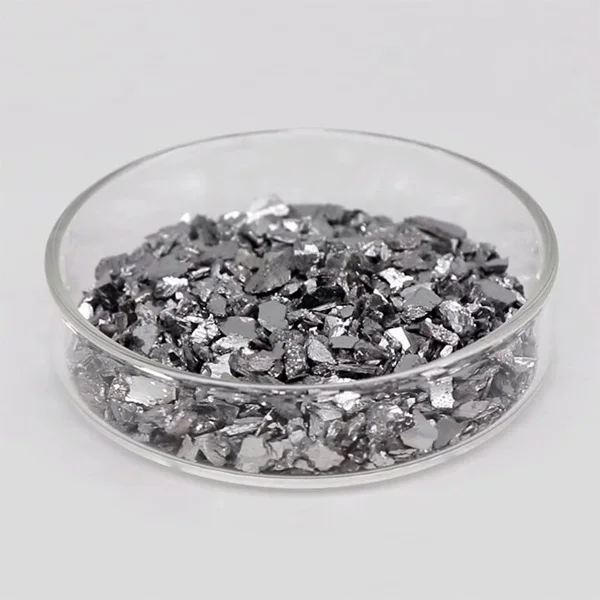
5N (99.999%) Bismuth (Bi) Pieces Evaporation Materials
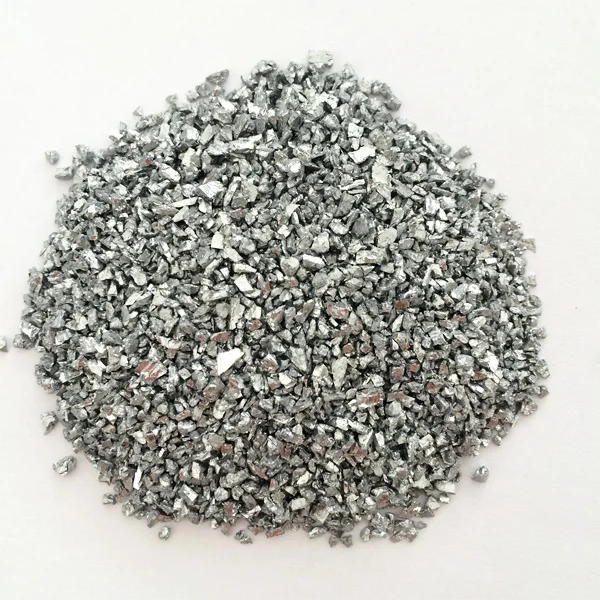
4N (99.99%) Chromium (Cr) Pieces Evaporation Materials
Ordering 3N5 (99.95%) Molybdenum (Mo) Pellets Evaporation Materials
What is 3N5 (99.95%) Molybdenum (Mo) Pellets Evaporation Materials typically used for?
Molybdenum evaporation materials are substances used in thin film deposition processes, typically in vacuum deposition techniques such as physical vapor deposition (PVD) or chemical vapor deposition (CVD). These materials are used to coat substrates with molyb
Can 3N5 (99.95%) Molybdenum (Mo) Pellets Evaporation Materials be customised for our process?
Yes. Chamber or tube size, temperature profile, atmosphere, gas path, control system and data recording can all be adapted. Send us your process conditions and sample details and our engineers work out a configuration with you.
How quickly can 3N5 (99.95%) Molybdenum (Mo) Pellets Evaporation Materials be shipped?
Most standard ZYLAB models are held in stock. After testing and packing we normally ship 3N5 (99.95%) Molybdenum (Mo) Pellets Evaporation Materials within 3 to 7 days. Customised builds are scheduled after the drawing is confirmed, and we give you the date in writing before the order is placed.
How is 3N5 (99.95%) Molybdenum (Mo) Pellets Evaporation Materials packed for export?
Packing is chosen for the safety of the machine against freight cost, typically a plywood or wooden crate with internal padding and vacuum-sealed accessories. Export documents such as Form A, Form E and Form F can be issued to help you save duty.
Can you supply items that are not on this page?
Yes. We have access to the complete lines of most of our suppliers and build custom equipment in our own factory, so tell us what the experiment needs and we will source or make it.
Quote For 3N5 (99.95%) Molybdenum (Mo) Pellets Evaporation Materials
Tell us the sample, the temperature and the atmosphere. You get the configuration, the price and the despatch date in one reply.