
CNC Machining Parts
Wire EDM Parts
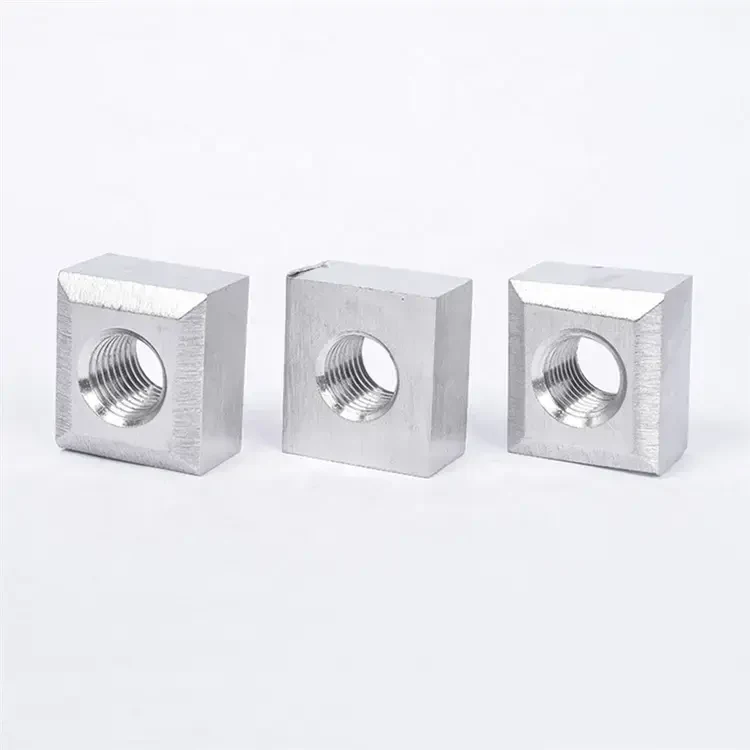
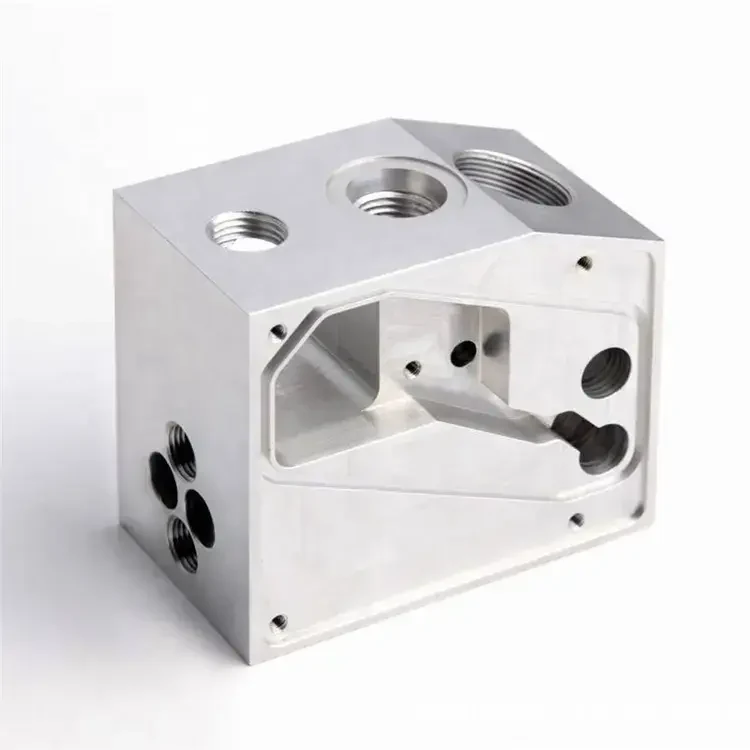
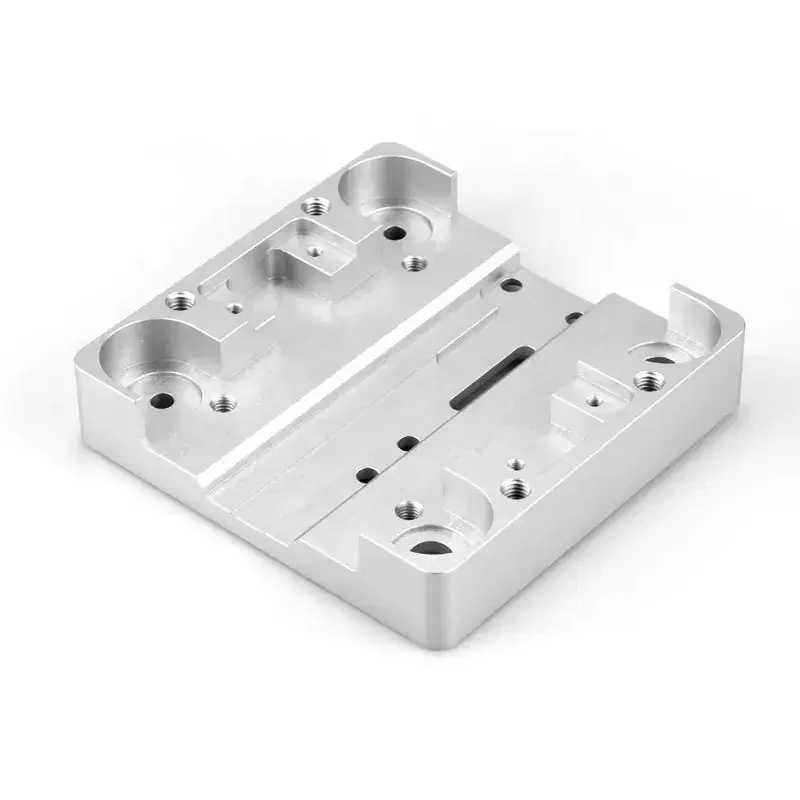
Custom parts cut by wire electrical discharge machining, where a thin electrically charged wire removes material by controlled spark erosion rather than by cutting force. Because there is no mechanical pressure on the workpiece and no heat affected cutting edge, wire EDM produces sharp internal corners, thin webs and hardened material geometries that milling cannot reach.
- Tool steel
- Titanium
- Brass
Product Overview
Custom parts cut by wire electrical discharge machining, where a thin electrically charged wire removes material by controlled spark erosion rather than by cutting force. Because there is no mechanical pressure on the workpiece and no heat affected cutting edge, wire EDM produces sharp internal corners, thin webs and hardened material geometries that milling cannot reach. Parts are produced to customer drawings.
Key Benefits
- Cuts fully hardened material after heat treatment, so parts do not distort in a later heat treat step
- Produces sharp internal corners and narrow slots that a milling cutter radius cannot make
- No cutting force on the part, so thin and delicate sections stay in tolerance
- Suited to tool steels, titanium, brass and copper that are difficult to machine conventionally
- Same process handles one off tooling and repeat production parts
Problems It Solves
- Geometry that a milling cutter cannot produce because of corner radius
- Parts that distort when machined soft and then hardened
- Thin walled components that deflect under conventional cutting force
- Hard materials that wear conventional tooling quickly
Where It Is Used
Applications And Buyers
Application Scenarios
- Punches and dies for stamping tools
- Mould components for plastic injection moulding
- Precision parts for aircraft and space vehicles
- Medical device components
- Extrusion dies and profile tooling
Who It Is For
- Tool and die makers needing punch and die sets
- Injection moulders producing or repairing mould inserts
- Aerospace and medical device manufacturers
- Equipment builders with parts too intricate for milling
Technical Features And Specifications
Technical Features
- Material removal by electrical discharge between wire and workpiece
- Wire, power supply and dielectric as the core elements of the process
- Machining of hardened and difficult to cut materials
- No mechanical contact between tool and part
- Suited to intricate two dimensional and tapered profiles
| Process | Wire electrical discharge machining |
|---|---|
| Materials | Tool steel, titanium, brass, copper and other conductive metals |
| Typical Parts | Punches, dies, mould components, aerospace and medical parts |
| Supply Basis | Custom to customer drawing |
| Related Processes | Heat treatment, polishing, stamping, sheet metal work |
How It Is Made And Checked
Materials Process And Quality Control
Materials
- Tool steel
- Titanium
- Brass
- Copper
Manufacturing Process
- Wire EDM
- Heat treatment
- Polishing
Quality Control
- Specification agreed in writing before production starts
- First article or sample approved against the agreed specification
- Goods inspected and photographed at the factory before loading
- Inspection report sent to you before the container sails
Customisation Options
What Can Be Varied
- Parts produced to your drawing and tolerance
- Material supplied by us or free issued by you
- Heat treatment before or after cutting as the part requires
- Surface finish specified per feature
- Prototype quantities followed by repeat production
Compared With The Alternatives
| CNC milling | Milling is faster and cheaper for open geometry in soft material; wire EDM wins on hardened material, sharp internal corners and thin sections. |
|---|---|
| Laser cutting | Laser is far quicker on sheet; wire EDM holds tighter tolerance and leaves no heat affected cut edge on thick or hardened stock. |
Use Guide
- Send a drawing marked with which tolerances actually drive function
- State the material condition, since cutting after hardening usually gives a better result
- Specify corner radius requirements, since wire EDM can hold very sharp corners
- Allow for start holes on closed internal profiles at the design stage
Questions
Questions Buyers Ask About This Product
Which materials can be cut by wire EDM?
Any electrically conductive metal, including tool steel, titanium, brass and copper. Hardened material is cut as readily as soft.
Can you cut parts after heat treatment?
Yes, and it is usually the better route because the part does not distort afterwards.
What do you need to quote?
A drawing or a step file, the material and condition, the quantity and the tolerances that matter.
Do you make punches and dies?
Yes, punches, dies and mould components are among the most common parts produced this way.
Is there a minimum order quantity?
No fixed minimum. One off tooling and repeat production runs are both quoted.
Related Products
Others In CNC Machining Parts
 CNC Milling Parts
Vertical Mill Parts
Replacement and custom parts for vertical mills, machined to drawing. The grinding table is where the work happens…
View Product CNC Milling Parts
Horizontal Mill Parts
Custom machined parts for horizontal milling machines. The spindle holds and drives the cutting tools and is…
View Product CNC Turning Parts
Custom CNC Turning Parts
Turned components produced on CNC lathes in aluminium, brass, stainless steel and other materials, with milling and…
View Product CNC Milling Parts
Custom CNC Milling Parts
CNC milling removes material from a workpiece using computer controlled machine tools, which makes it the practical…
View Product CNC Machining Parts
CNC Grinding Parts
CNC grinding applies computer numerical control to a process that was historically dependent on operator skill. It is…
View Product CNC Machining Parts
CNC Drilling Parts
CNC drilled components produced to customer drawings, covering through holes that pass completely through the…
View ProductFurther Reading
Guides And Industries That Cover This
Get A Price For Wire EDM Parts
Send the duty figures, the material if it is fixed, and the quantity. We will confirm the specification and quote against it.