
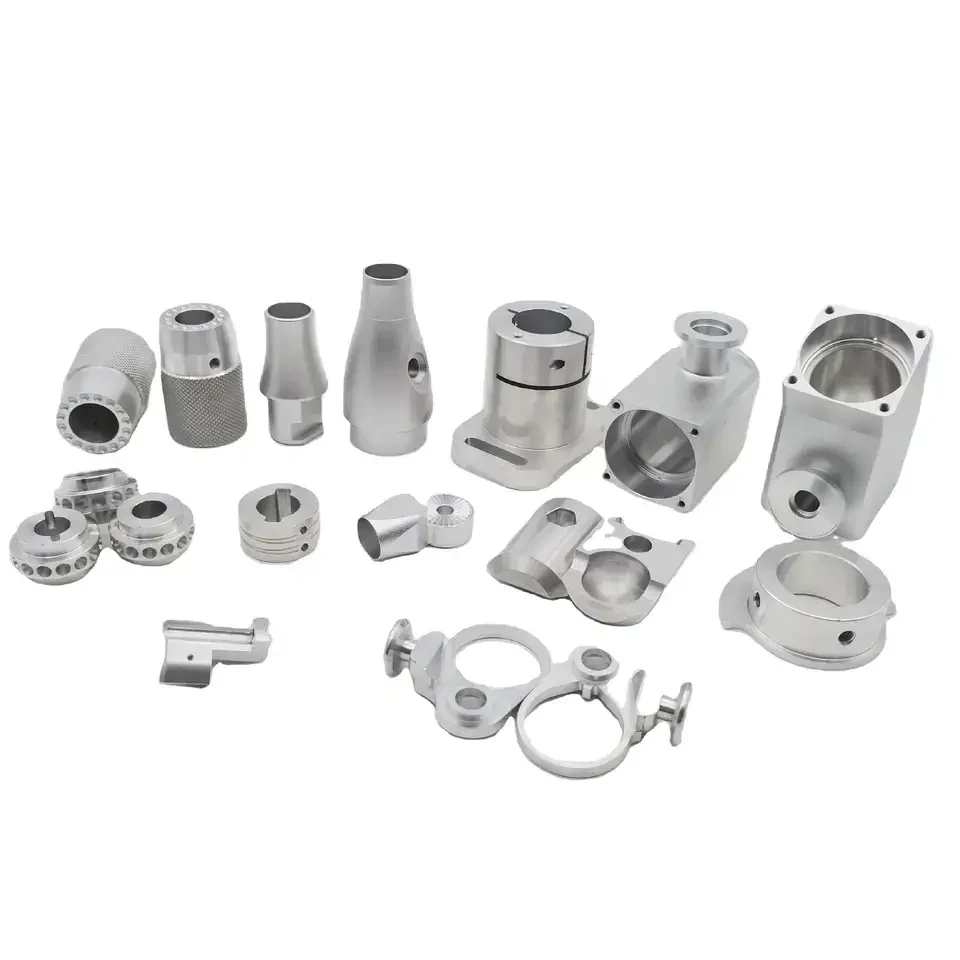
CNC Milling Parts
Custom CNC Milling Parts
CNC milling removes material from a workpiece using computer controlled machine tools, which makes it the practical route for prismatic parts with features on several faces. Parts are milled in aluminium, brass and other materials, with turning available where a component has round features as well.
- Aluminium
- Brass
Product Overview
CNC milling removes material from a workpiece using computer controlled machine tools, which makes it the practical route for prismatic parts with features on several faces. Parts are milled in aluminium, brass and other materials, with turning available where a component has round features as well. Precision and repeatability are the reasons milling is used for complex parts across industry.
Key Benefits
- Features on several faces produced in a controlled sequence
- Repeatability across a production batch once the programme is proven
- Aluminium, brass and other materials to the same drawing
- Turning available for parts that combine round and prismatic features
- Complex geometry produced without special tooling
Problems It Solves
- Positional tolerance lost between features machined in separate operations
- Parts too complex to produce by fabrication
- Prototypes that cannot be reproduced consistently in volume
- Tooling cost that cannot be justified at the quantity required
Where It Is Used
Applications And Buyers
Application Scenarios
- Housings and manifolds with machined faces and bores
- Brackets and mounting plates with tight positional tolerance
- Equipment components with pockets, slots and threaded holes
- Prototype parts before a production process is chosen
Who It Is For
- Machine and equipment builders
- Product developers needing functional prototypes
- Manufacturers replacing fabricated parts with machined ones
- Buyers who need the same part repeated batch after batch
Technical Features And Specifications
Technical Features
- Computer controlled machine tools
- Milling of prismatic and complex geometry
- Turning available as a companion process
- Repeatable programme driven production
- Aluminium, brass and other materials
| Process | CNC milling, with turning where required |
|---|---|
| Materials | Aluminium, brass and others |
| Supply Basis | Custom to customer drawing or model |
| Strengths | Precision and repeatability on complex parts |
| Quantities | Prototype through to production |
How It Is Made And Checked
Materials Process And Quality Control
Materials
- Aluminium
- Brass
Manufacturing Process
- CNC milling
- Turning
Quality Control
- Specification agreed in writing before production starts
- First article or sample approved against the agreed specification
- Goods inspected and photographed at the factory before loading
- Inspection report sent to you before the container sails
Customisation Options
What Can Be Varied
- Parts machined from your drawing or 3D model
- Material grade agreed before production
- Tolerances set per feature
- Surface finish and deburring level
- Prototype quantities followed by production batches
Compared With The Alternatives
| CNC turning parts | Turning is better and cheaper for round parts; milling is the answer when the part is prismatic or has features on several faces. |
|---|---|
| Casting | Casting is cheaper at high volume but needs tooling and leaves machining allowances; milling from solid suits lower volumes and design changes. |
Use Guide
- Send a 3D model so tool access can be checked before quoting
- Specify internal corner radii, since they decide the smallest cutter that can be used
- Mark datums clearly so the part is fixtured the way it is measured
- Order prototypes in the production material to avoid surprises later
Questions
Questions Buyers Ask About This Product
What kinds of parts suit CNC milling?
Prismatic parts with pockets, slots, faces and bores, especially where features must relate accurately across several faces.
Which materials do you mill?
Aluminium, brass and other materials on request.
Can you mill and turn the same part?
Yes, turning is used alongside milling where a component has round features.
Do you take prototype orders?
Yes, and we recommend prototyping in the production material so results carry over.
How consistent are repeat batches?
Once the programme and fixturing are proven, repeat batches are produced from the same set up and inspected against the same drawing.
Related Products
Others In CNC Milling Parts
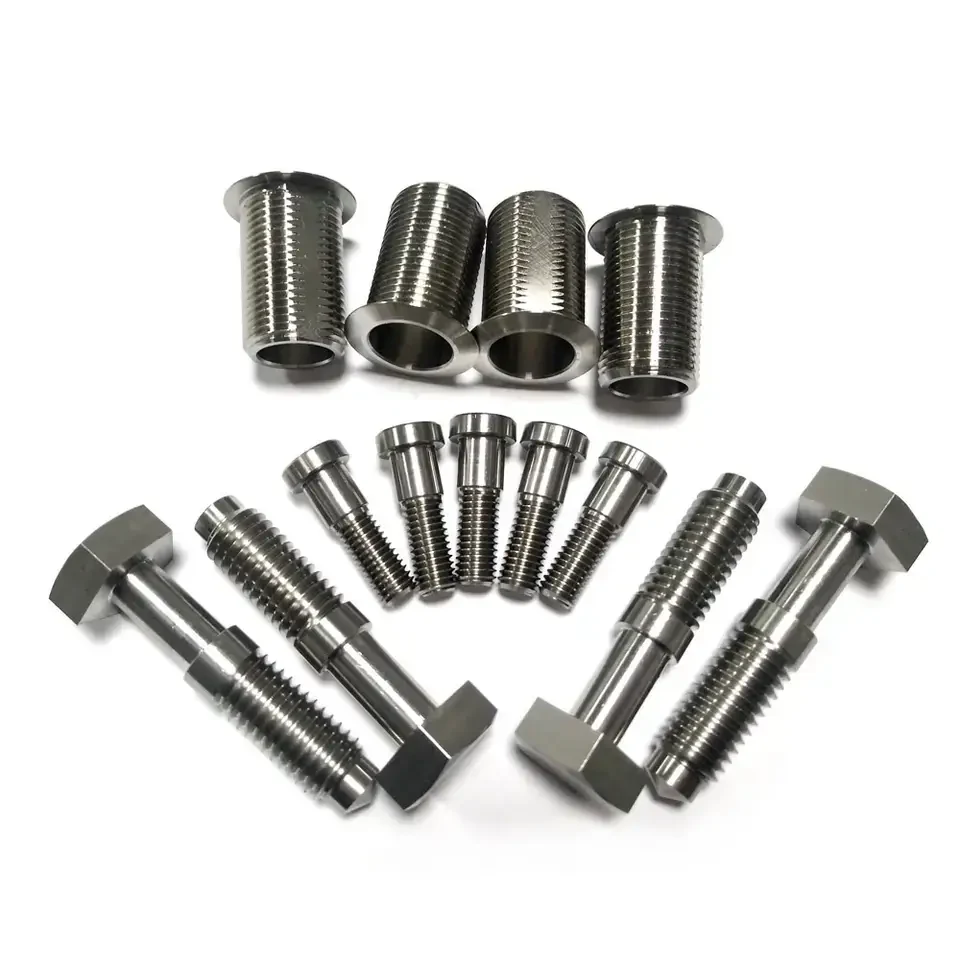 CNC Milling Parts
Vertical Mill Parts
Replacement and custom parts for vertical mills, machined to drawing. The grinding table is where the work happens…
View Product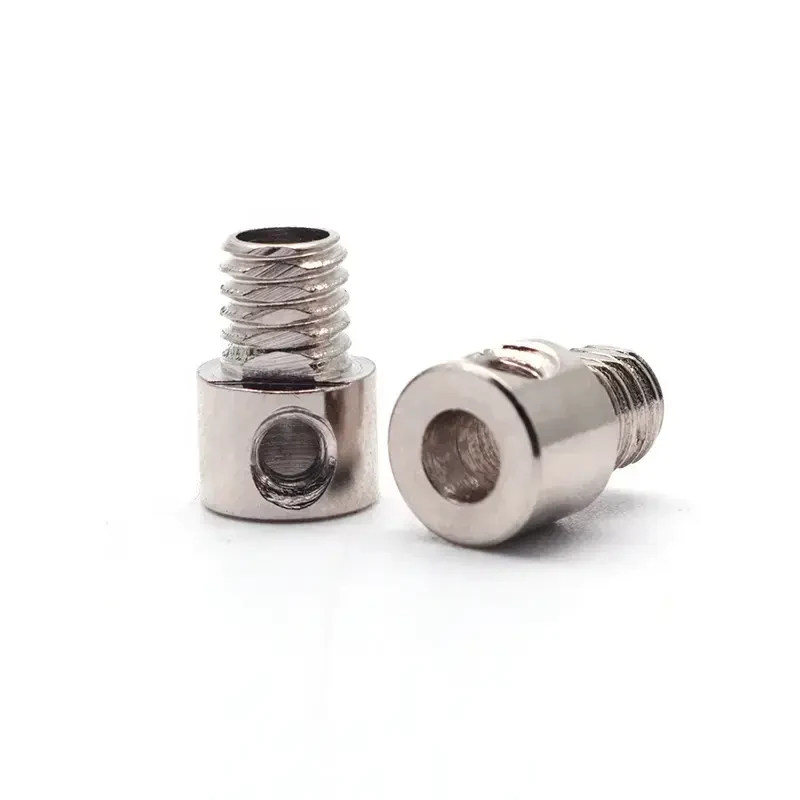 CNC Milling Parts
Horizontal Mill Parts
Custom machined parts for horizontal milling machines. The spindle holds and drives the cutting tools and is…
View Product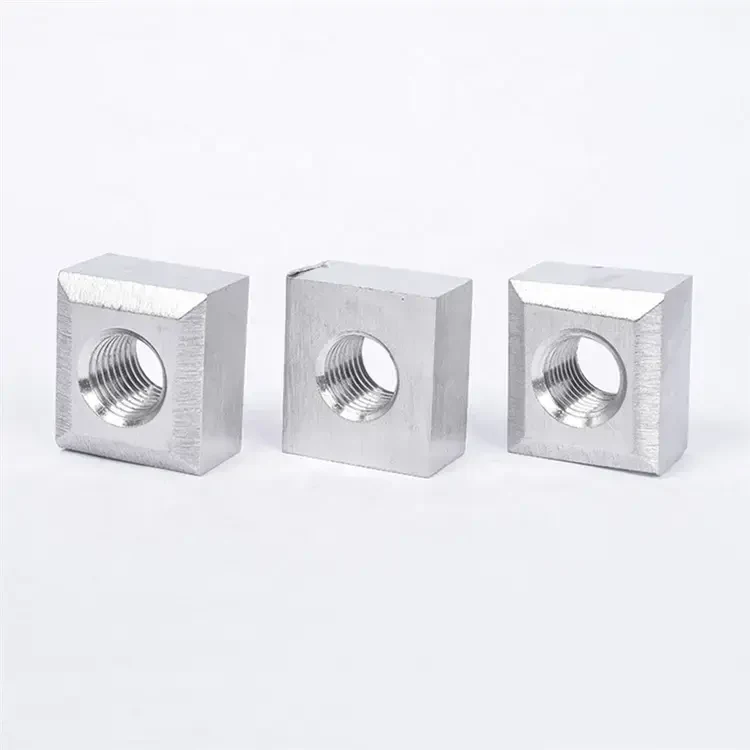 CNC Machining Parts
Wire EDM Parts
Custom parts cut by wire electrical discharge machining, where a thin electrically charged wire removes material by…
View Product CNC Turning Parts
Custom CNC Turning Parts
Turned components produced on CNC lathes in aluminium, brass, stainless steel and other materials, with milling and…
View Product CNC Machining Parts
CNC Grinding Parts
CNC grinding applies computer numerical control to a process that was historically dependent on operator skill. It is…
View Product CNC Machining Parts
CNC Drilling Parts
CNC drilled components produced to customer drawings, covering through holes that pass completely through the…
View ProductFurther Reading
Guides And Industries That Cover This
Get A Price For Custom CNC Milling Parts
Send the duty figures, the material if it is fixed, and the quantity. We will confirm the specification and quote against it.