
CNC Machining Parts
CNC Drilling Parts
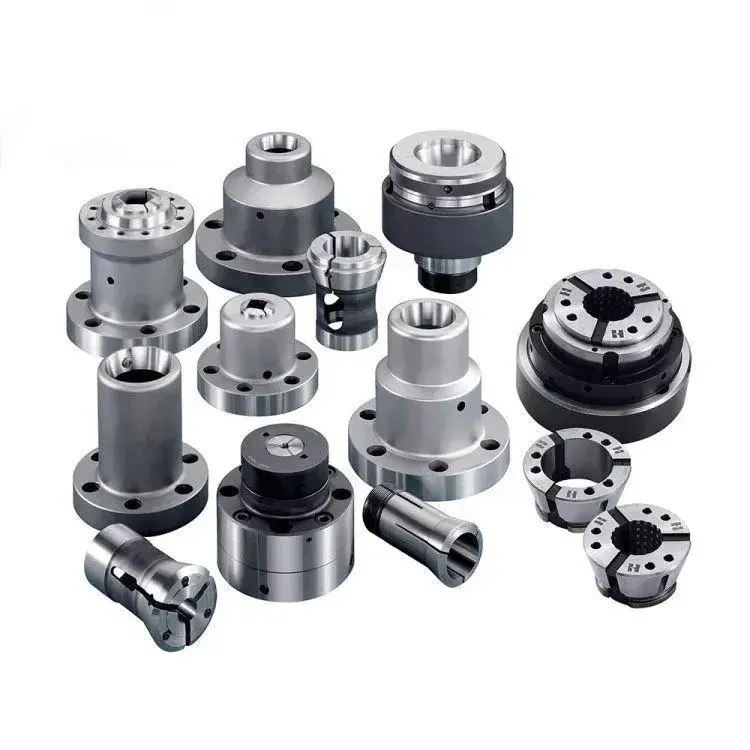
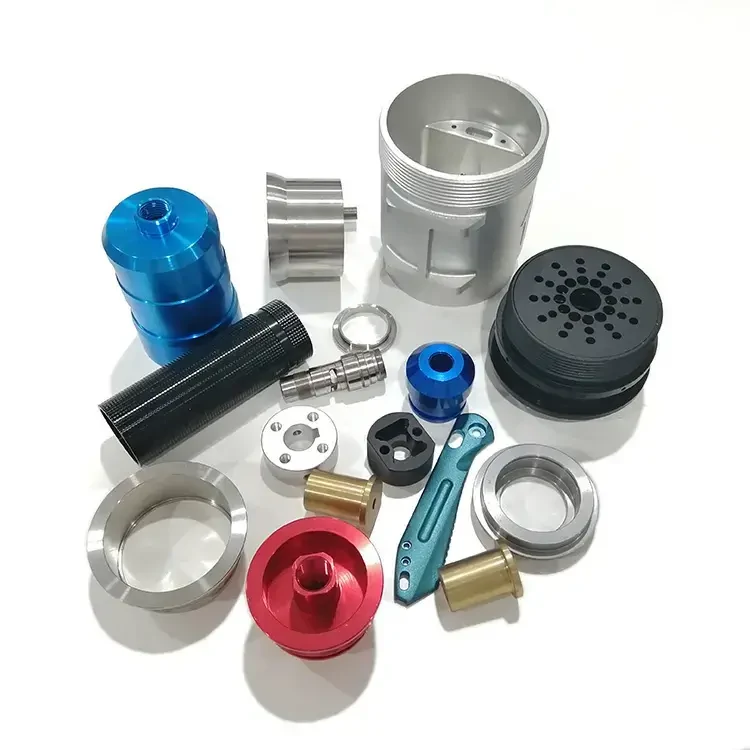
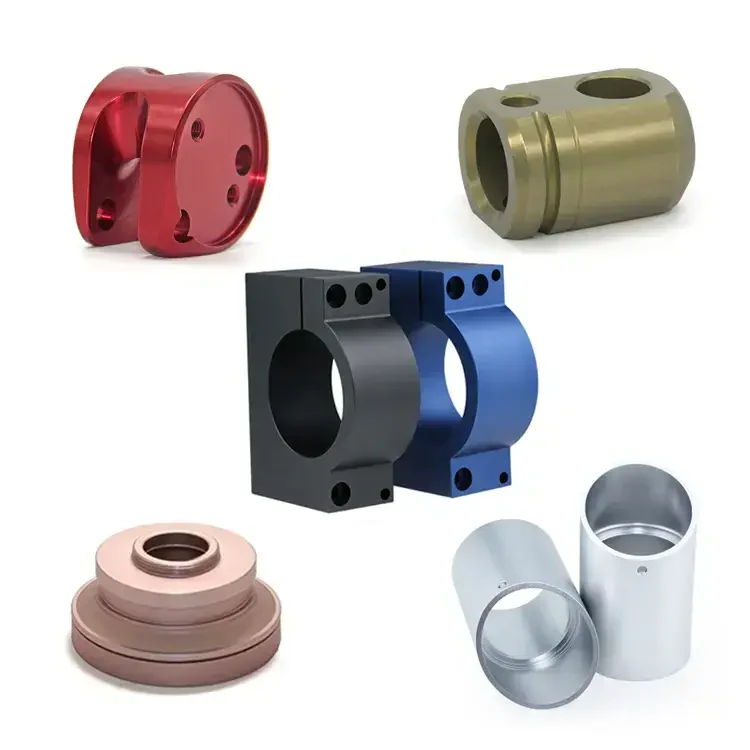
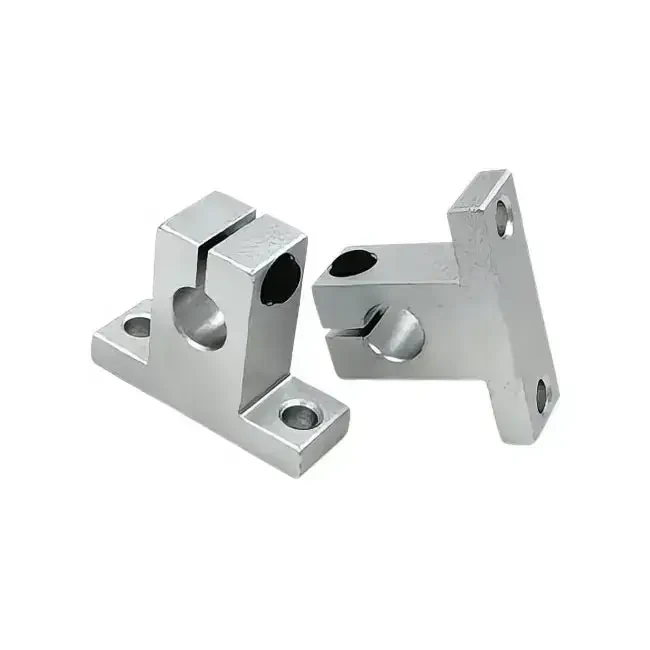
CNC drilled components produced to customer drawings, covering through holes that pass completely through the workpiece, blind holes that stop at a defined depth, and tapped holes with internal threads ready for screws or bolts. The spindle holds and rotates the drill, and computer control places each hole to the position and depth on the drawing rather than to a marked out line.
Product Overview
CNC drilled components produced to customer drawings, covering through holes that pass completely through the workpiece, blind holes that stop at a defined depth, and tapped holes with internal threads ready for screws or bolts. The spindle holds and rotates the drill, and computer control places each hole to the position and depth on the drawing rather than to a marked out line.
Key Benefits
- Hole position and depth controlled by programme rather than by marking out
- Through, blind and tapped holes produced in one set up
- Tapped holes arrive ready for assembly with no secondary threading
- Consultation and prototyping before production so the design is proven first
- Turning and milling available on the same component
Problems It Solves
- Hole positions that drift between parts when drilled manually
- Blind holes drilled too deep and breaking through
- Threads cut off line so fasteners bind on assembly
- Parts arriving needing drilling and tapping before they can be used
Where It Is Used
Applications And Buyers
Application Scenarios
- Aerospace components where hole position is critical
- Mounting plates and flanges with bolt hole patterns
- Manifolds and housings with drilled and tapped ports
- Components requiring blind holes to a controlled depth
Who It Is For
- Aerospace and precision equipment manufacturers
- Machine builders needing accurate bolt patterns
- Manufacturers of manifolds and fluid components
- Buyers whose current parts arrive needing rework before assembly
Technical Features And Specifications
Technical Features
- CNC drilling machine with programmed hole positions
- Through holes, blind holes and tapped holes
- Spindle holding and rotating the drill
- Design and prototyping stage before production
- Quality checks on every custom component
| Process | CNC drilling |
|---|---|
| Hole Types | Through, blind, tapped |
| Supply Basis | Custom to customer drawing |
| Related Processes | Milling, turning, assembly |
| Project Route | Consultation, design and prototyping, production, delivery |
How It Is Made And Checked
Materials Process And Quality Control
Manufacturing Process
- CNC drilling
- Milling
- Turning
- Assembly
Quality Control
- Specification agreed in writing before production starts
- First article or sample approved against the agreed specification
- Goods inspected and photographed at the factory before loading
- Inspection report sent to you before the container sails
Customisation Options
What Can Be Varied
- Hole pattern, size and depth to your drawing
- Thread specification for tapped holes
- Material supplied by us or free issued
- Prototype approval before production release
- Additional milling or turning on the same part
Compared With The Alternatives
| Manual drilling | Manual drilling is fine for one part; CNC keeps hole positions identical across a batch, which is what assembly depends on. |
|---|---|
| Punching | Punching is quicker on thin sheet; drilling handles thicker material, deeper holes and tapped features. |
Use Guide
- Dimension holes from a clear datum rather than chain dimensioning
- State blind hole depth as full depth or usable thread depth, and say which
- Specify thread class where fasteners must run freely
- Approve a prototype before releasing a production quantity
Questions
Questions Buyers Ask About This Product
Can you supply tapped holes ready for assembly?
Yes. Tapped holes are produced with internal threads ready for screws or bolts.
Can you drill blind holes to a controlled depth?
Yes, blind hole depth is programmed and checked as part of the inspection.
Do you make prototypes first?
Yes, design and prototyping come before production so the component can be checked against expectations.
What else can be machined on the same part?
Milling and turning operations, and assembly where several parts make up a unit.
How is quality controlled?
Every custom component goes through quality checks before dispatch, against the approved drawing.
Related Products
Others In CNC Machining Parts
 CNC Machining Parts
Wire EDM Parts
Custom parts cut by wire electrical discharge machining, where a thin electrically charged wire removes material by…
View Product CNC Milling Parts
Vertical Mill Parts
Replacement and custom parts for vertical mills, machined to drawing. The grinding table is where the work happens…
View Product CNC Milling Parts
Horizontal Mill Parts
Custom machined parts for horizontal milling machines. The spindle holds and drives the cutting tools and is…
View Product CNC Turning Parts
Custom CNC Turning Parts
Turned components produced on CNC lathes in aluminium, brass, stainless steel and other materials, with milling and…
View Product CNC Milling Parts
Custom CNC Milling Parts
CNC milling removes material from a workpiece using computer controlled machine tools, which makes it the practical…
View Product CNC Machining Parts
CNC Grinding Parts
CNC grinding applies computer numerical control to a process that was historically dependent on operator skill. It is…
View ProductFurther Reading
Guides And Industries That Cover This
Get A Price For CNC Drilling Parts
Send the duty figures, the material if it is fixed, and the quantity. We will confirm the specification and quote against it.