
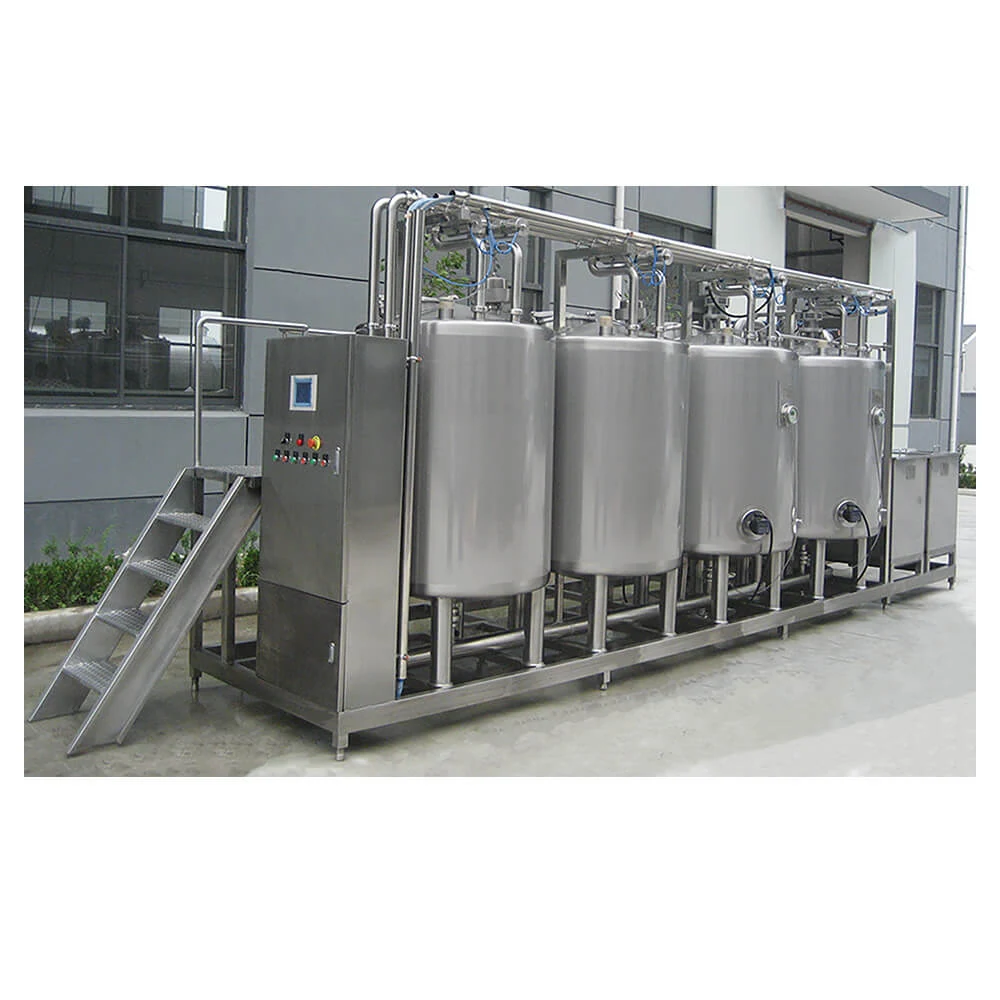
CIP Systems
CIP System
Model HTK-QX-01 CIP system with a working capacity of 1000 to 30,000 litres per hour in SUS304. It cleans processing equipment after production on dairy, fruit juice and beverage lines, running acid cleaning, alkali cleaning, hot water cleaning and pure cold water cleaning, with the working procedure designed to the plant's production requirements.
- SUS304 stainless steel
Product Overview
Model HTK-QX-01 CIP system with a working capacity of 1000 to 30,000 litres per hour in SUS304. It cleans processing equipment after production on dairy, fruit juice and beverage lines, running acid cleaning, alkali cleaning, hot water cleaning and pure cold water cleaning, with the working procedure designed to the plant's production requirements. Full automatic, semi automatic and manual control are all available, with PLC control and touch screen, steam pressure reducing and drain system, temperature regulation, conductivity measurement and flow rate switching.
Key Benefits
- Four cleaning stages with the sequence designed to your production
- Capacity from 1000 to 30,000 litres per hour
- Conductivity measurement so chemical recovery and rinse endpoints are controlled
- Full automatic, semi automatic or manual operation
- PLC control with touch screen and temperature regulation
Problems It Solves
- Manual cleaning that cannot be documented or repeated consistently
- Chemical and water consumption with no recovery
- Rinse endpoints judged by eye rather than by conductivity
- Cleaning cycles that take far longer than production can afford
Where It Is Used
Applications And Buyers
Application Scenarios
- Cleaning tanks, pipework and heat exchangers after a production run
- Serving several cleaning circuits from one skid
- Retrofitting CIP to a plant cleaned manually
- Extending an existing CIP system to new equipment
Who It Is For
- Dairy, juice and beverage plants
- Breweries cleaning vessels and pipework in place
- Plants working to documented hygiene standards
- Engineers replacing manual cleaning with an automated system
Technical Features And Specifications
Technical Features
- Acid, alkali, hot water and pure cold water cleaning stages
- Working procedure designed to the customer's production
- Working capacity 1000 L/H to 30,000 L/H
- SUS304 construction
- PLC control system with touch screen, steam pressure reducing and drain system, temperature inspection and regulation, conductivity meter and flow rate switch
| Product Model | HTK-QX-01 |
|---|---|
| Working Capacity | 1000 L/H to 30,000 L/H, customised |
| Material | SUS304 |
| Cleaning Stages | Acid, alkali, hot water, pure cold water |
| Control | Full automatic, semi automatic, manual |
| Instrumentation | Conductivity meter, flow rate switch, temperature regulation |
| Minimum Order | One unit |
| Factory Output | 50 units per month |
How It Is Made And Checked
Materials Process And Quality Control
Materials
- SUS304 stainless steel
Manufacturing Process
- Stainless steel fabrication
- Skid assembly
- Control programming
- Testing
Quality Control
- Specification agreed in writing before production starts
- First article or sample approved against the agreed specification
- Goods inspected and photographed at the factory before loading
- Inspection report sent to you before the container sails
Customisation Options
What Can Be Varied
- Capacity from 1000 to 30,000 litres per hour
- Number of circuits and tanks
- Cleaning sequence designed to your production
- Recovery tank arrangement for caustic and final rinse
- Automation level from manual to full automatic
Compared With The Alternatives
| Manual cleaning | Manual cleaning cannot be documented or repeated the same way twice, which is what a hygiene audit asks for. |
|---|---|
| Single use CIP without recovery | Recovering caustic and the final rinse cuts water and chemical cost, but the recovery tanks have to be in the original layout. |
Use Guide
- Size the CIP pump for the largest pipe diameter in the circuit, not the smallest
- Design the return path and return pump before the skid is ordered
- Review the pipework for dead legs while it is still a drawing
- Use conductivity to set rinse endpoints rather than a fixed time
Questions
Questions Buyers Ask About This Product
What cleaning stages does it run?
Acid cleaning, alkali cleaning, hot water cleaning and pure cold water cleaning, in a sequence designed to your production.
What capacity is available?
1000 to 30,000 litres per hour, customised to the circuits it has to serve.
Can the sequence be changed?
Yes, the working procedure is designed according to customer production requirements.
What control options are available?
Full automatic, semi automatic and manual.
Can it be added to an existing plant?
Usually yes, but the return path and pump sizing have to be surveyed first. Send a layout or P&ID and we will advise.
Related Products
Others In CIP Systems
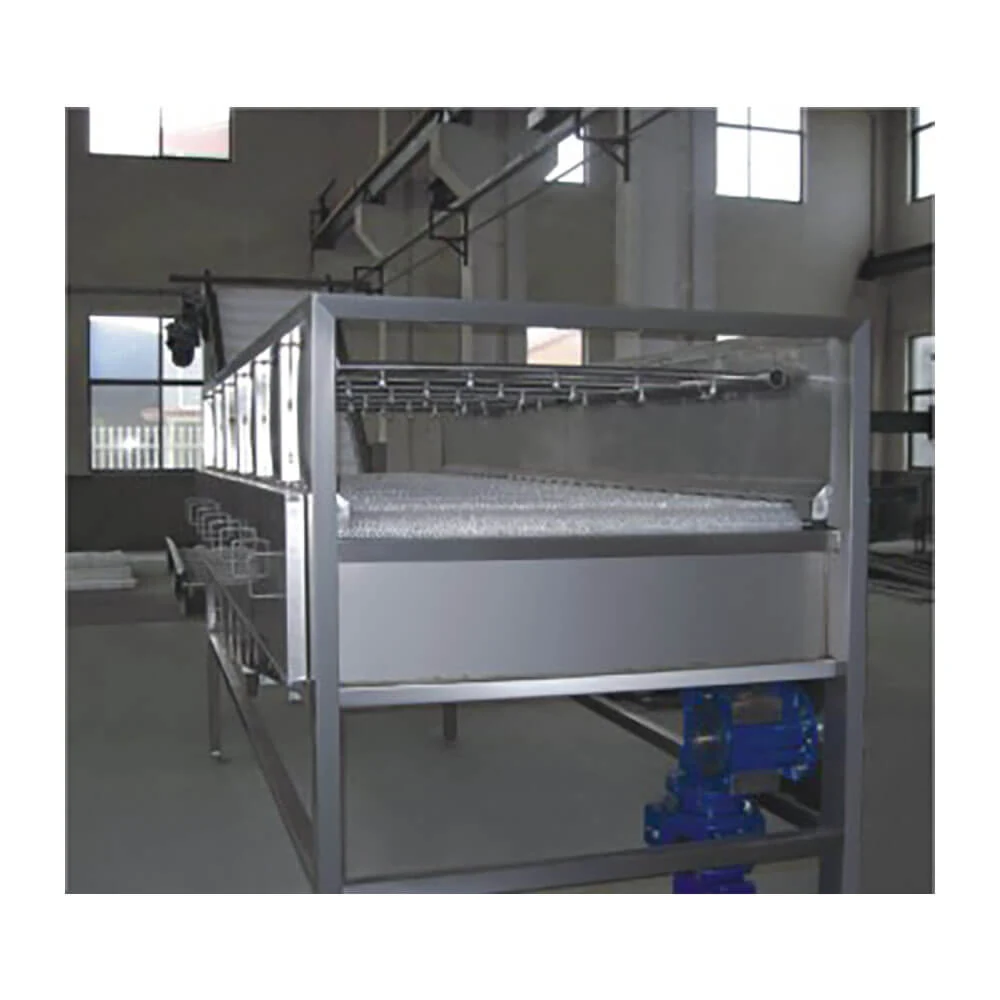 Fruit & Juice Processing Machines
Fruit Sorting Machine
Model HTK-JGJ-01 fruit sorting machine in SUS304, with a working capacity of 1 to 30 tonnes per hour set to the line.…
View Product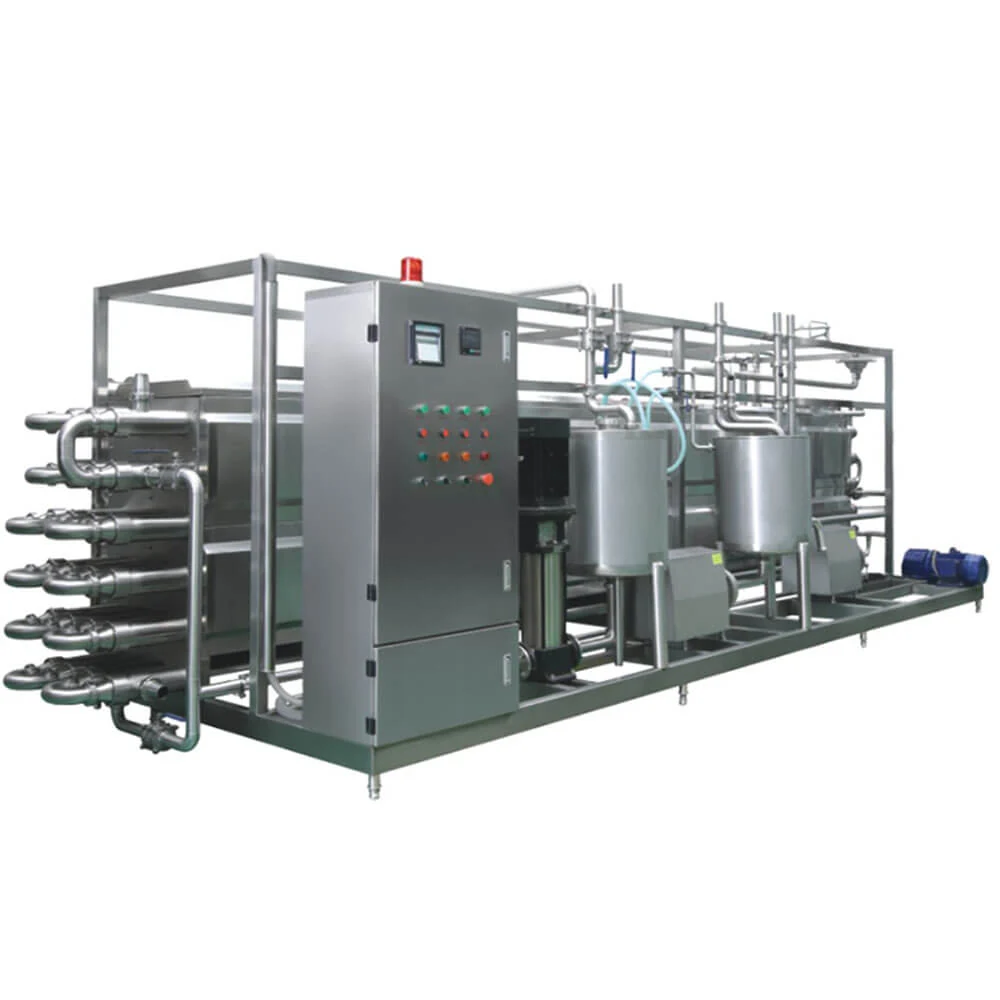 Tubular UHT Sterilisers
Tube-In-Tube UHT Steriliser
Model HTK-TGS-01 tube-in-tube UHT steriliser with a working capacity of 1000 to 15,000 litres per hour. Product…
View Product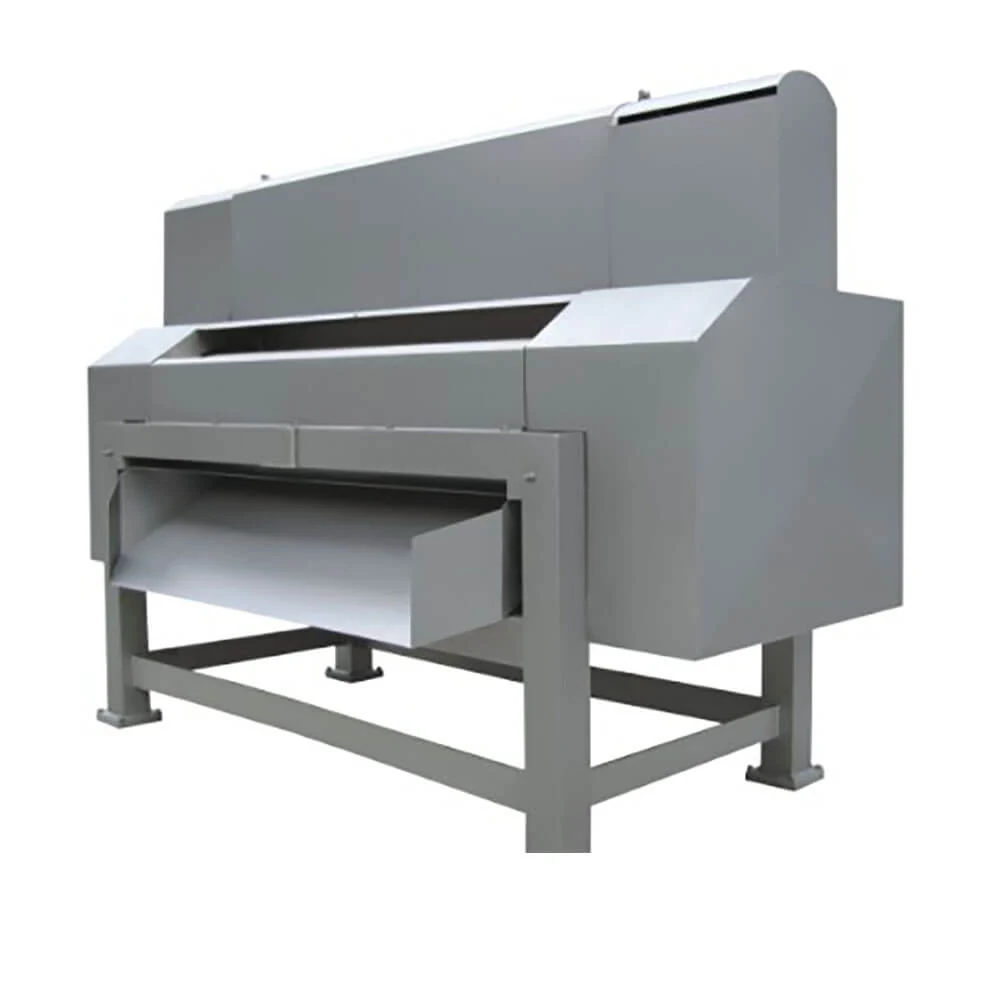 Fruit & Juice Processing Machines
Fruit Destoner
Model HTK-QHJ-01 destoner with a working capacity of 1 to 15 tonnes per hour, built in SUS304 or SUS316L. It removes…
View Product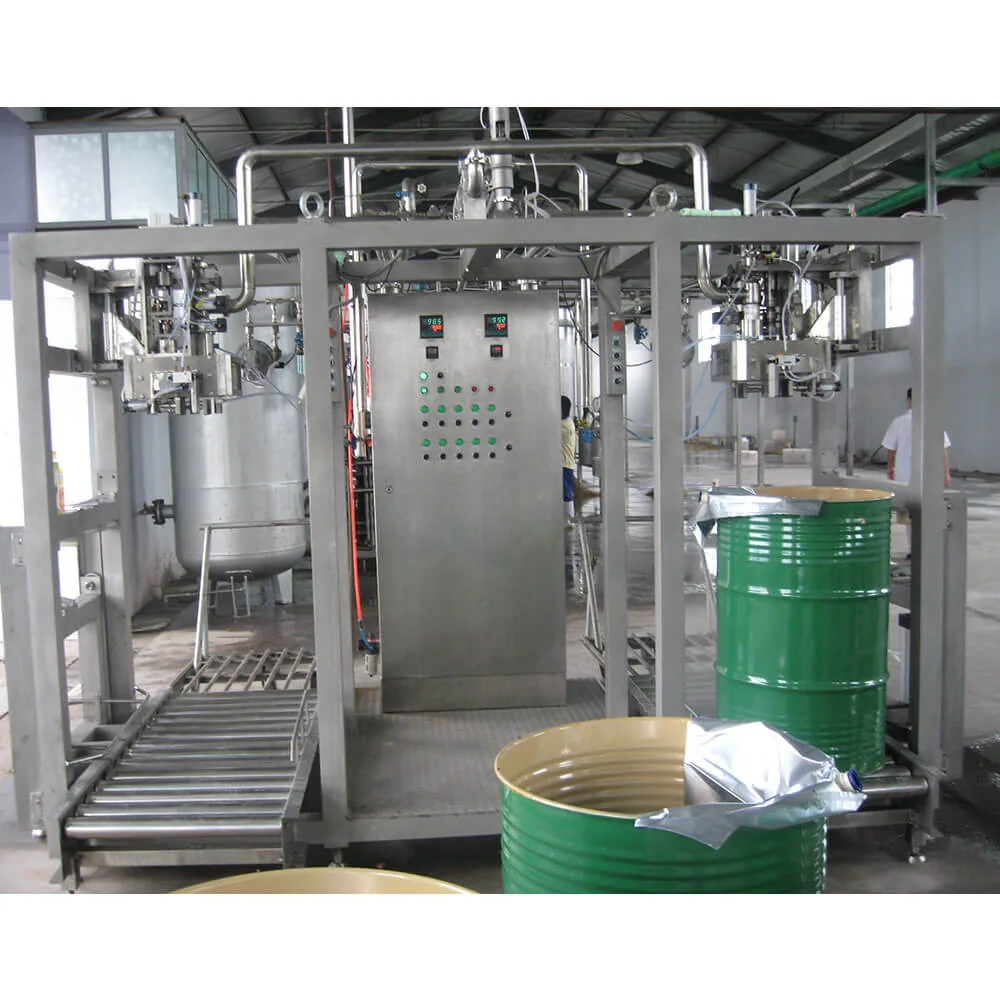 Beverage Filling Machines
Aseptic Bag Filling Machine
Model HTK-WJGZ-01 aseptic bag filling machine with a working capacity of 1 to 30 tonnes per hour, built in SUS304 or…
View Product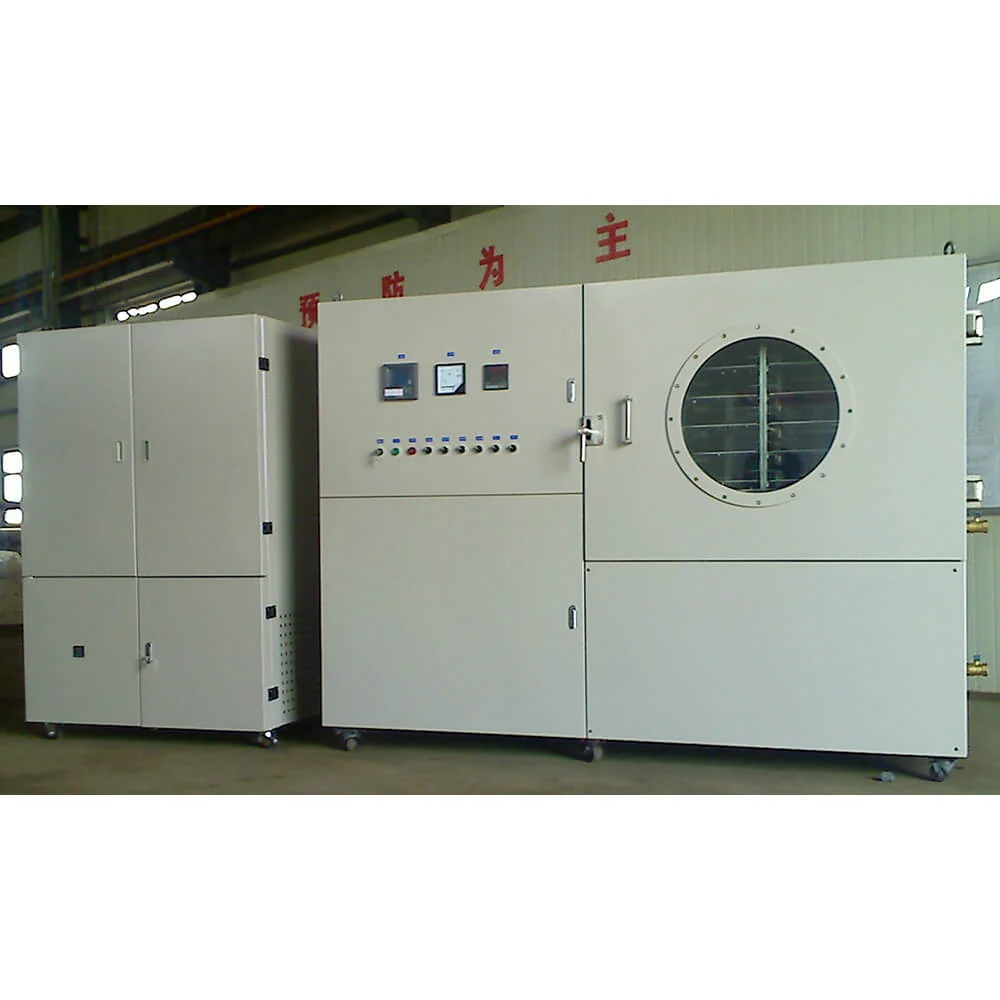 Other Food & Beverage Equipment
Freeze Dryer
Model HTK-DGJ-01 freeze dryer with input capacities from 3 kg, 5 kg and 10 kg through to 1000 kg, 2000 kg and 5000…
View Product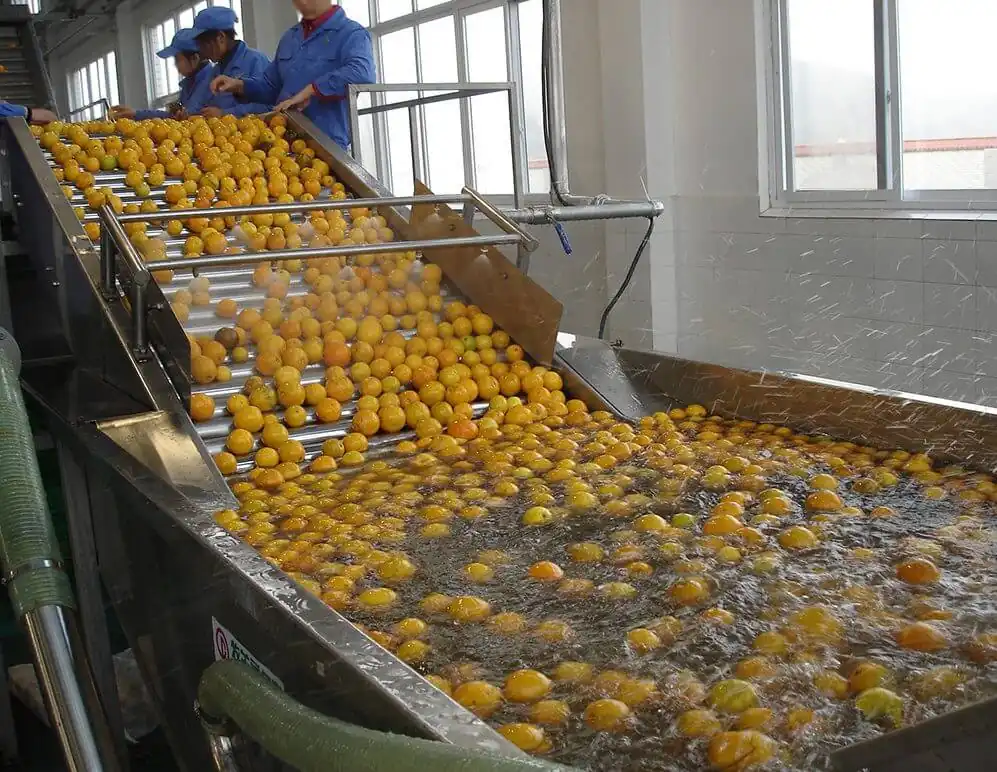 Fruit & Juice Processing Machines
Fruit Washing Machine
Model HTK-FWM-01 fruit washing machine in SUS304, with a working capacity of 1 to 30 tonnes per hour. Different…
View ProductFurther Reading
Guides And Industries That Cover This
CIP Basics For Dairy And Juice Plants
What a clean-in-place circuit actually has to achieve, and why it should be designed with the line rather than after it.
Dairy Processing Plants
From the milk receiving bay to the filled bottle, specified as one line.
Juice & Beverage Plants
Fruit in at the wash line, aseptic or bottled product out at the other end.
Get A Price For CIP System
Send the duty figures, the material if it is fixed, and the quantity. We will confirm the specification and quote against it.