
Process Guide
CIP Basics For Dairy And Juice Plants
What a clean-in-place circuit actually has to achieve, and why it should be designed with the line rather than after it.
Cleaning Is Four Things At Once
Every CIP cycle balances time, temperature, chemical concentration and mechanical action. Weaken one and another has to rise to compensate. A circuit that cannot deliver enough flow will never clean properly no matter how hot or how strong the solution is.
Flow Velocity Is The Part People Miss
Cleaning a pipeline depends on turbulent flow through it, so the CIP pump has to be sized for the largest diameter in the circuit, not the smallest. Vessels clean through spray devices instead, which need pressure and coverage rather than pipe velocity. Most circuits have both and the skid has to serve both.
Design The Return Path First
Getting solution to the equipment is easy. Getting it back reliably, without airlocks or flooding a vessel, is what determines where the CIP return pump sits and how the pipework falls. Retro-fitting a return path into a finished line is expensive.
Dead Legs And Instrument Pockets
Any branch longer than a few pipe diameters will hold product that the solution never properly reaches. These are designed in, not cleaned out. Review the pipework layout for dead legs while it is still a drawing.
Recovery Saves Real Money
Recovering the final rinse as the first wash of the next cycle, and reusing caustic where the product allows, cuts both water and chemical consumption. That requires recovery tanks, which have to be in the original layout.
Questions
Questions On This Topic
Can a CIP skid be added to an existing line?
Usually yes, but the return path and the pump sizing have to be surveyed first. Send a process and instrumentation drawing or photographs of the pipework and we will tell you what is practical.
How many circuits should a CIP system have?
It depends on how much of the plant has to keep running while another part is cleaned. Give us the line layout and the production schedule and we will advise on the number of circuits.
Related Products
Equipment Discussed In This Guide
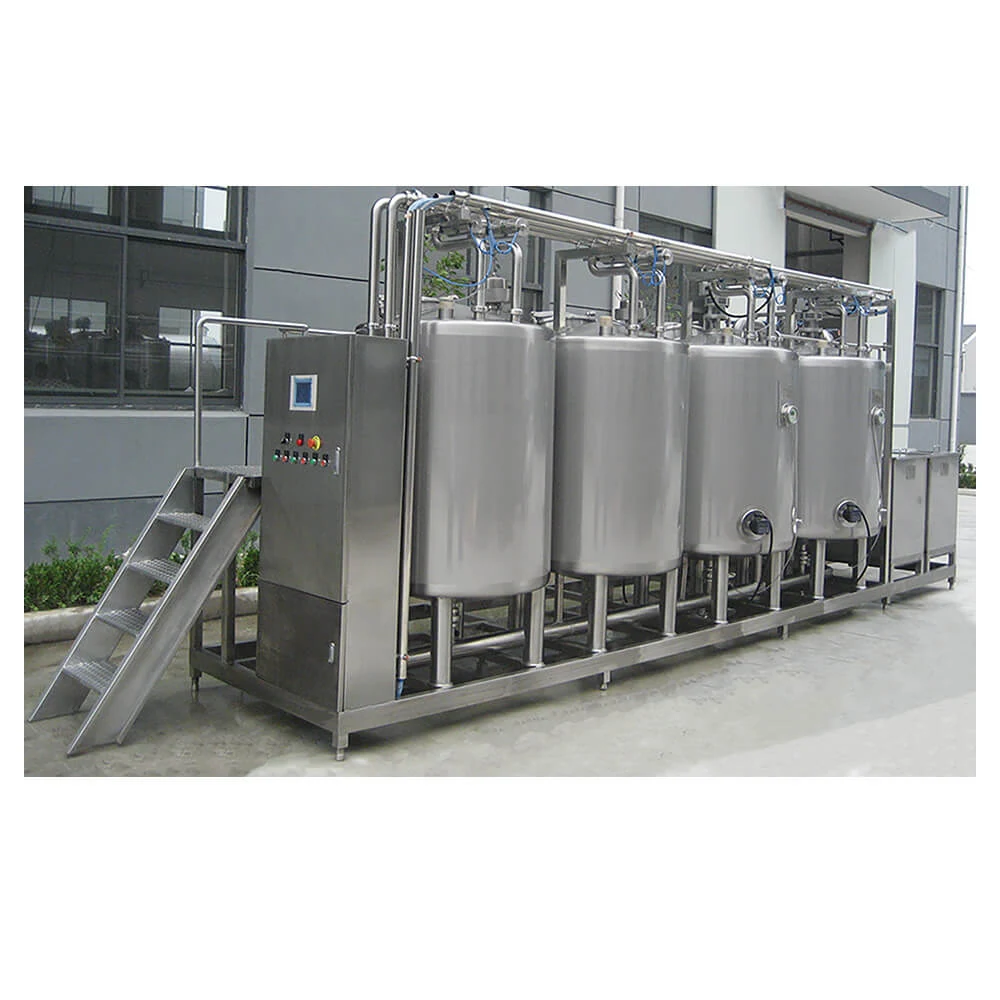
CIP SystemsCIP System
Model HTK-QX-01 CIP system with a working capacity of 1000 to 30,000 litres per hour in SUS304. It cleans processing…
View Product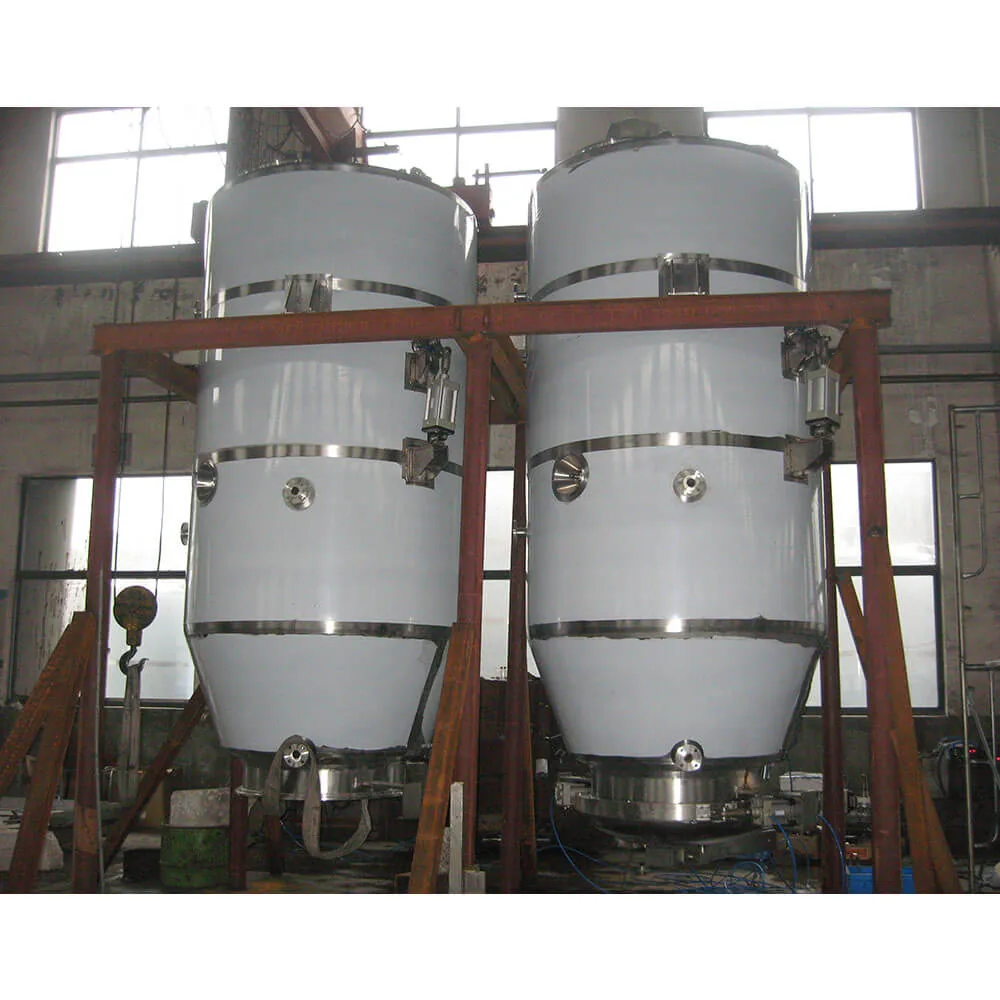 Stainless Steel Tanks
Herbal & Tea Extraction Tank
Model HTK-CQG-01 extraction tank from 1000 L to 5000 L, built in SUS304 or SUS316L. It extracts herbal or tea liquor…
View Product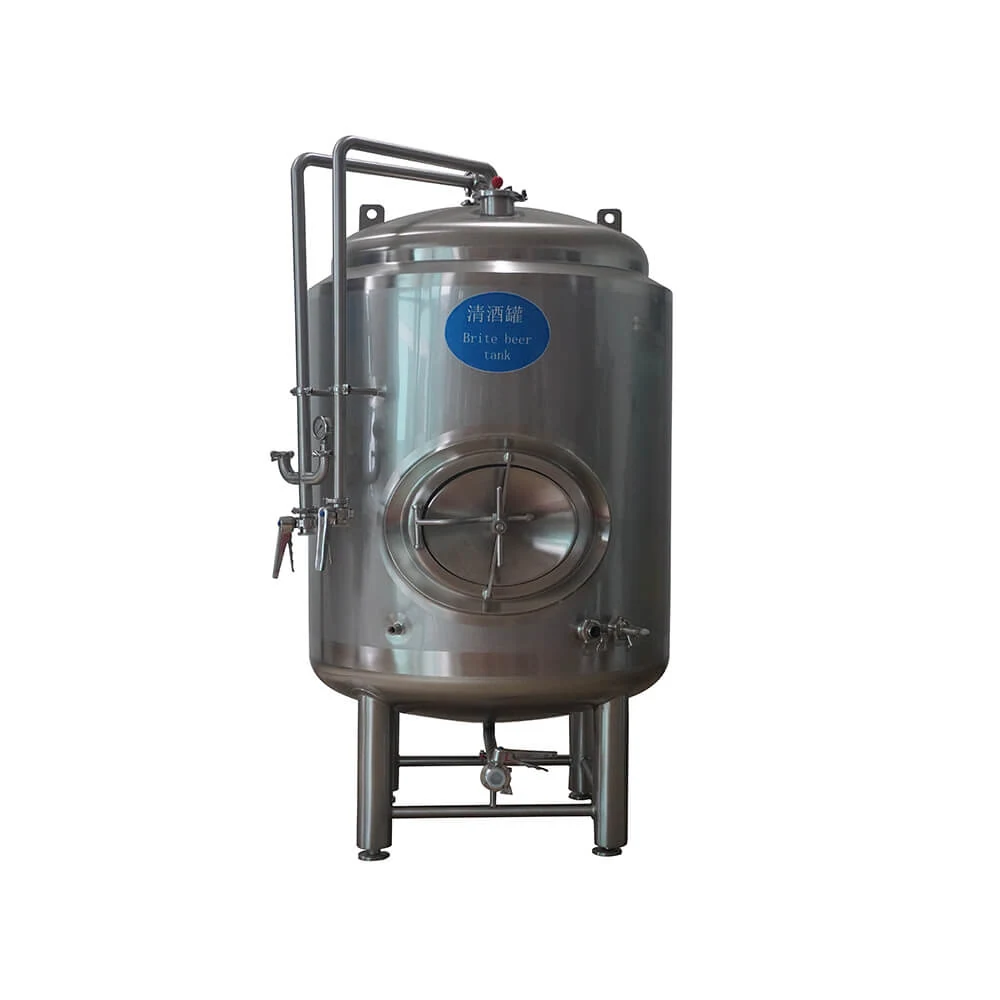 Beer Brewing Equipment
Bright Beer Tank
Model HTK-BQJG-01 bright beer tank, also called a serving tank or clear beer tank, in volumes from 1 to 200 BBL and…
View Product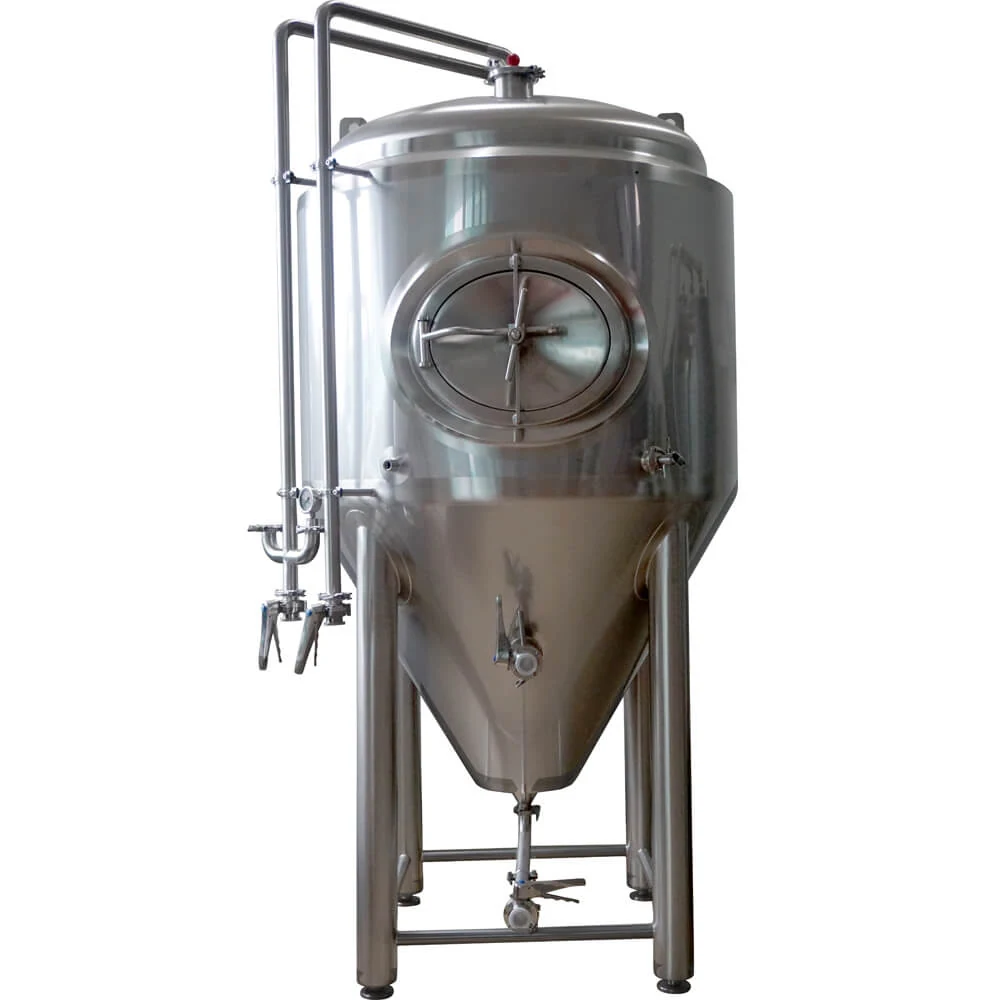 Beer Brewing Equipment
Beer Fermentation Tank
Model HTK-BFJG-01 beer fermentation tank, also called a uni-tank, in volumes from 1 to 200 BBL and built in SUS304 or…
View Product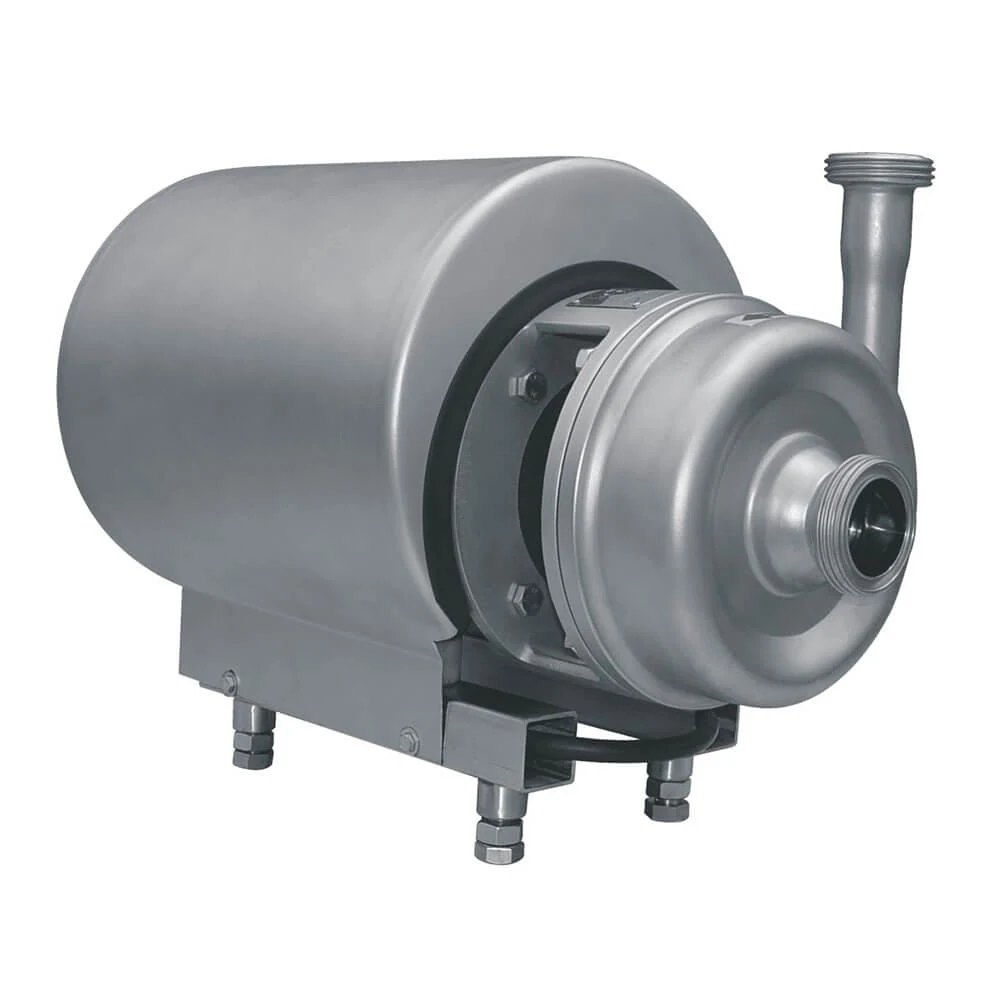 Process Pumps
Sanitary Centrifugal Pump
Model HTK-P-01 centrifugal pump with a working capacity of 1000 to 30,000 litres per hour, built in SUS304 or…
View Product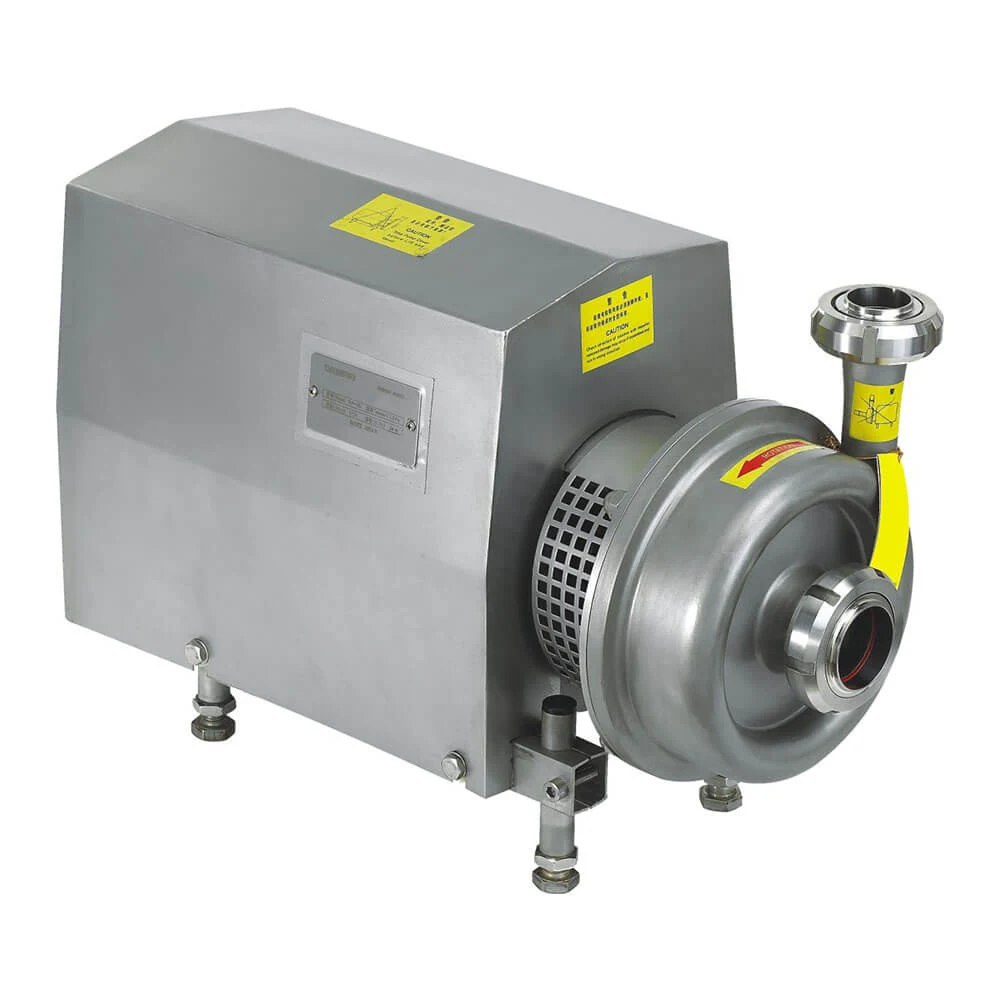 Process Pumps
CIP Return Pump
Model HTK-RP-01 CIP return pump with a working capacity of 5000 to 30,000 litres per hour, built in SUS304 or…
View ProductSend Us Your Figures And We Will Check Them
A specification checked before the order is placed costs nothing. One checked afterwards costs a great deal.