
Fruit & Juice Processing Machines
Fruit Destoner
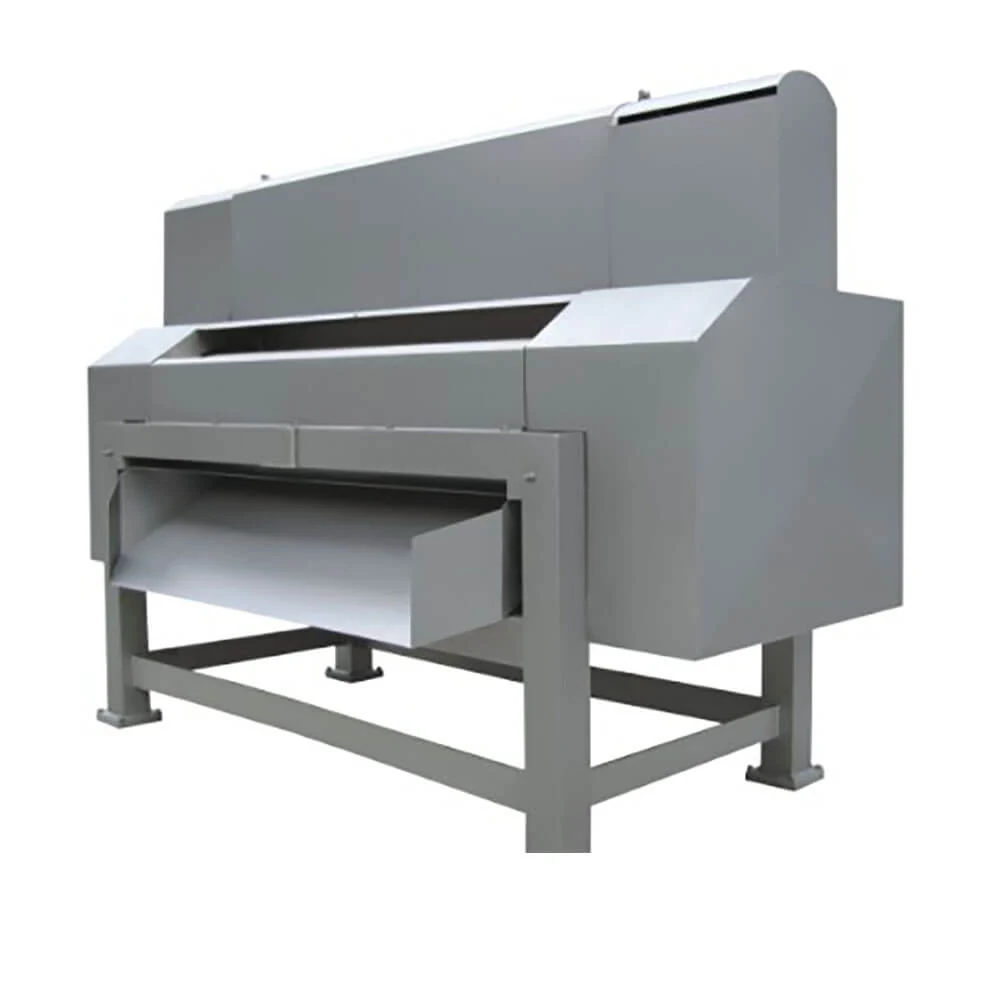
Model HTK-QHJ-01 destoner with a working capacity of 1 to 15 tonnes per hour, built in SUS304 or SUS316L. It removes the stone from mango, peach and similar stone fruit before pulping, and is a standard stage on fruit juice production lines.
- SUS304 stainless steel
- SUS316L stainless steel
Product Overview
Model HTK-QHJ-01 destoner with a working capacity of 1 to 15 tonnes per hour, built in SUS304 or SUS316L. It removes the stone from mango, peach and similar stone fruit before pulping, and is a standard stage on fruit juice production lines. Capacity is selected to match the rest of the line.
Key Benefits
- Capacity from 1 to 15 tonnes per hour, chosen to match the line
- SUS304 or SUS316L depending on fruit acidity
- Removes stones before they can damage the pulping machine
- Straightforward maintenance between seasonal runs
- Minimum order of one unit
Problems It Solves
- Stones reaching the pulper and damaging the machine
- Stone fragments in the finished puree
- Manual destoning that cannot match line throughput
- Equipment corroding on acidic fruit when built in the wrong grade
Where It Is Used
Applications And Buyers
Application Scenarios
- Destoning mango before pulping for puree production
- Removing peach stones on a juice line
- Preparing stone fruit for concentrate production
- Seasonal processing lines handling several stone fruits
Who It Is For
- Mango and peach processors
- Fruit puree and concentrate producers
- Juice plants adding stone fruit to their range
- Contract processors handling seasonal fruit
Technical Features And Specifications
Technical Features
- Working capacity 1 T/H to 15 T/H
- SUS304 or SUS316L construction
- Designed for mango, peach and similar stone fruit
- Used on fruit juice production lines
- Factory output of 50 units per month
| Product Model | HTK-QHJ-01 |
|---|---|
| Working Capacity | 1 T/H to 15 T/H, customised |
| Material | SUS304 or SUS316L |
| Minimum Order | One unit |
| Factory Output | 50 units per month |
| Application | Fruit juice and puree production lines |
How It Is Made And Checked
Materials Process And Quality Control
Materials
- SUS304 stainless steel
- SUS316L stainless steel
Manufacturing Process
- Stainless steel fabrication
- Welding
- Assembly
- Testing
Quality Control
- Specification agreed in writing before production starts
- First article or sample approved against the agreed specification
- Goods inspected and photographed at the factory before loading
- Inspection report sent to you before the container sails
Customisation Options
What Can Be Varied
- Capacity between 1 and 15 tonnes per hour
- SUS304 or SUS316L construction
- Configuration for the fruit variety and size
- Discharge arrangement for stones and fruit flesh
Compared With The Alternatives
| Manual destoning | Manual work is only realistic at very small scale and cannot keep up with a harvest intake. |
|---|---|
| Pulping without destoning | Pulping stone fruit without removing the stone damages the pulper and puts fragments into the product. |
Use Guide
- Match the destoner capacity to the pulping machine behind it
- Choose SUS316L for acidic fruit and for chloride bearing cleaning chemistry
- Check fruit size range against the machine configuration
- Clean thoroughly at the end of each seasonal run
Questions
Questions Buyers Ask About This Product
Which fruits does it handle?
Mango, peach and similar stone fruit.
What capacity is available?
1 to 15 tonnes per hour, customised to your requirement.
Which material should I choose?
SUS304 for general use, SUS316L where the fruit is acidic or the cleaning chemistry contains chlorides.
Where does it sit on the line?
Before the pulping machine, so stones never reach it.
What is the minimum order?
One unit.
Related Products
Others In Fruit & Juice Processing Machines
 Fruit & Juice Processing Machines
Fruit Sorting Machine
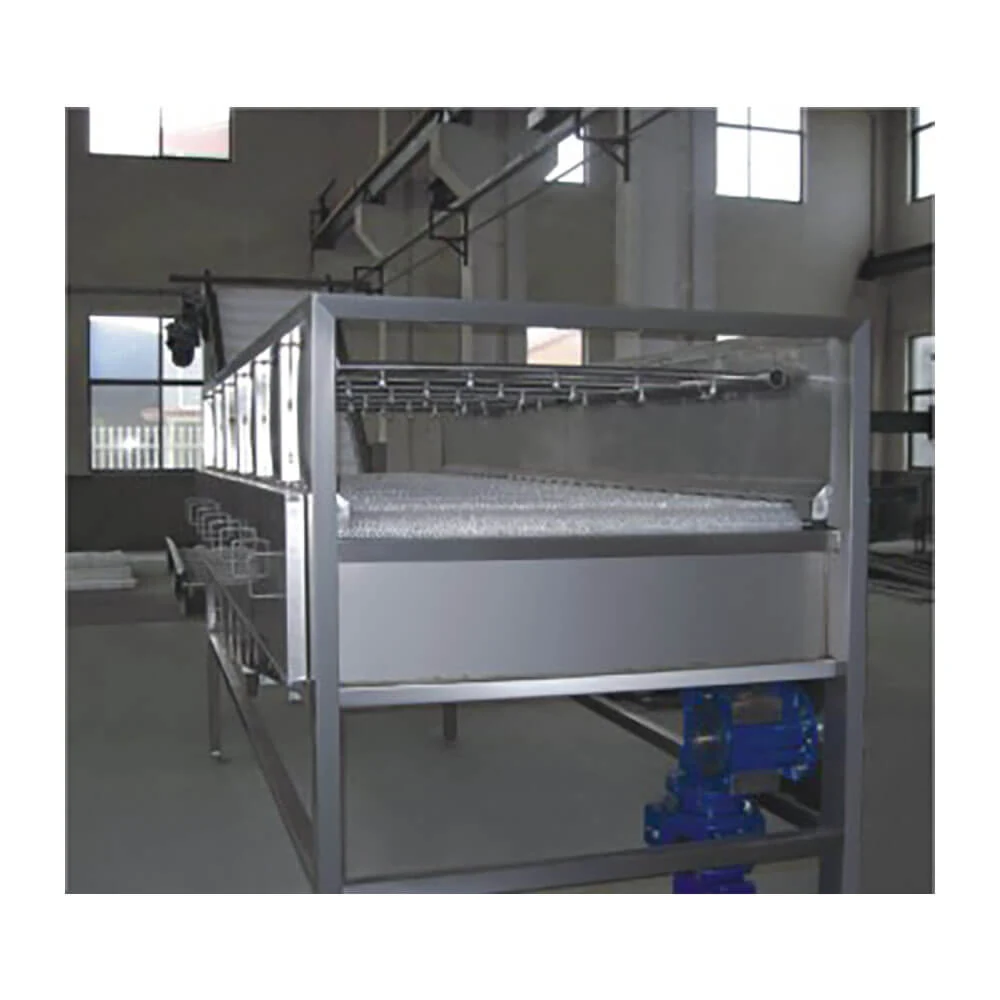
Model HTK-JGJ-01 fruit sorting machine in SUS304, with a working capacity of 1 to 30 tonnes per hour set to the line.…
View Product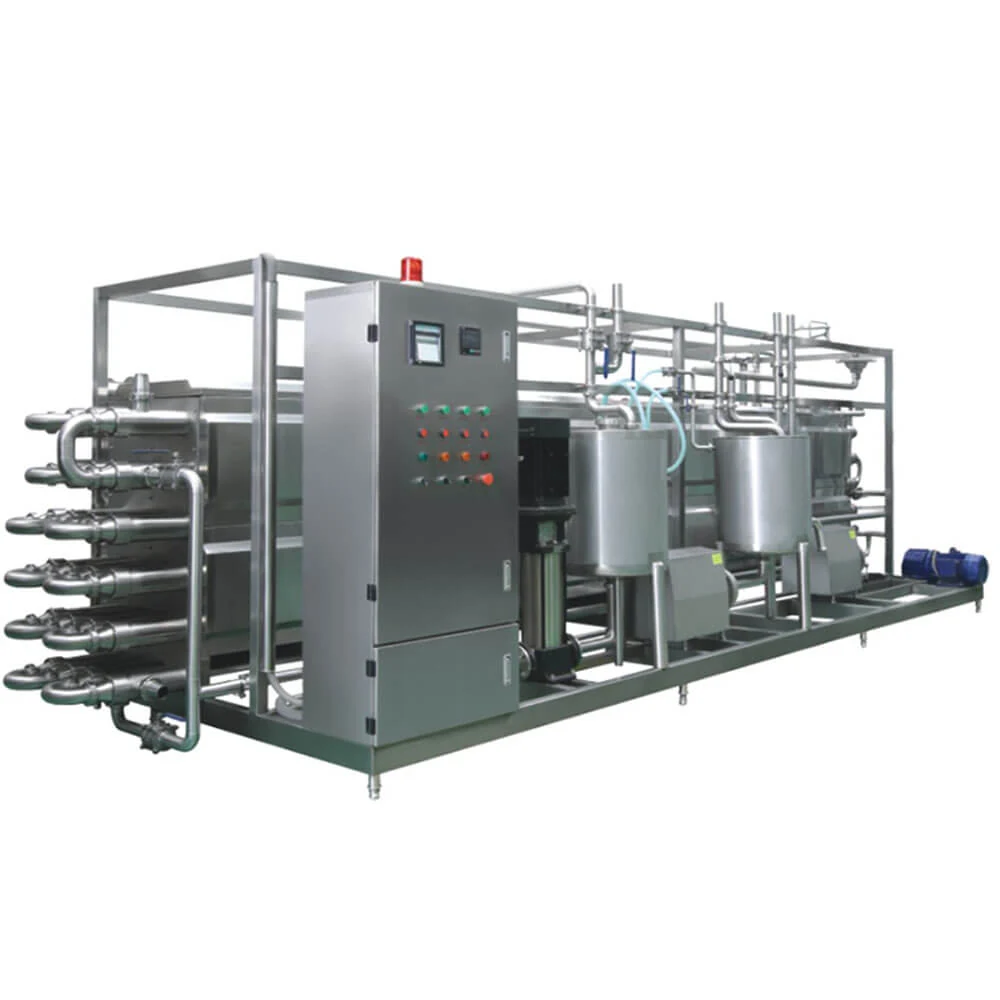 Tubular UHT Sterilisers
Tube-In-Tube UHT Steriliser
Model HTK-TGS-01 tube-in-tube UHT steriliser with a working capacity of 1000 to 15,000 litres per hour. Product…
View Product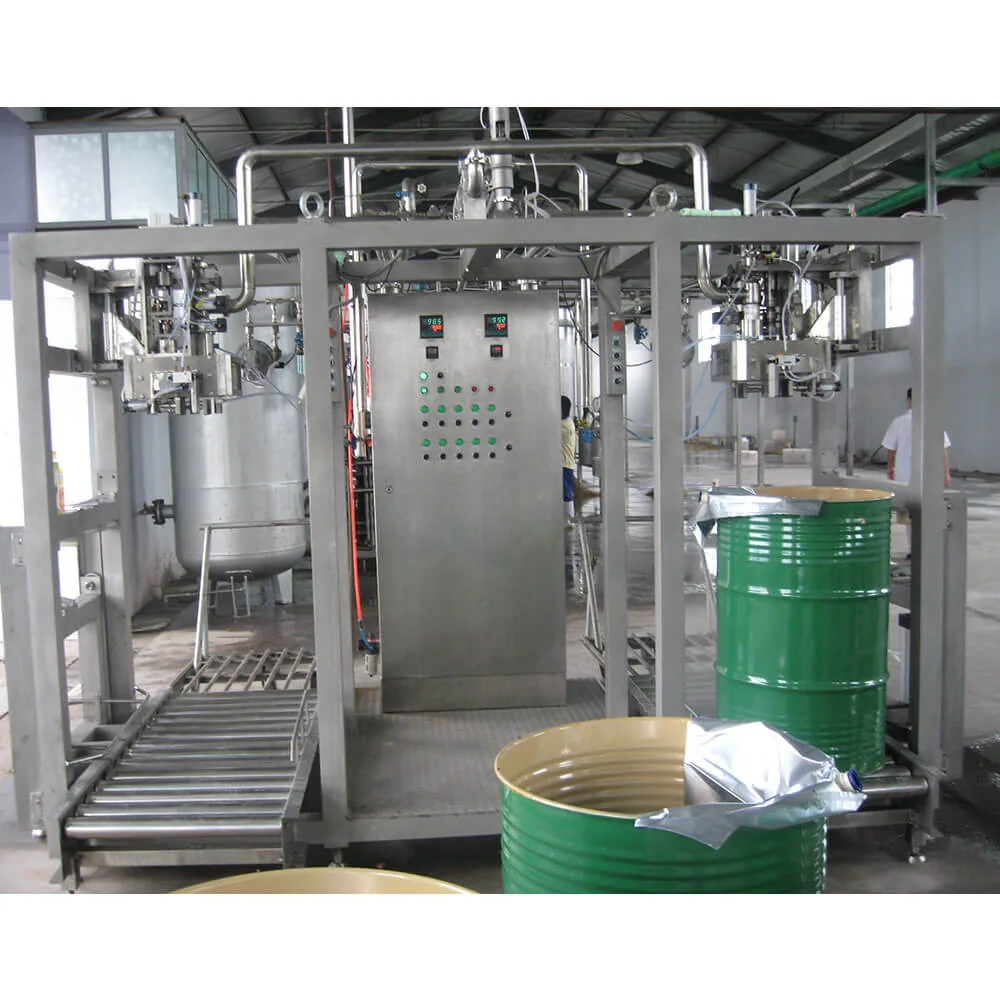 Beverage Filling Machines
Aseptic Bag Filling Machine
Model HTK-WJGZ-01 aseptic bag filling machine with a working capacity of 1 to 30 tonnes per hour, built in SUS304 or…
View Product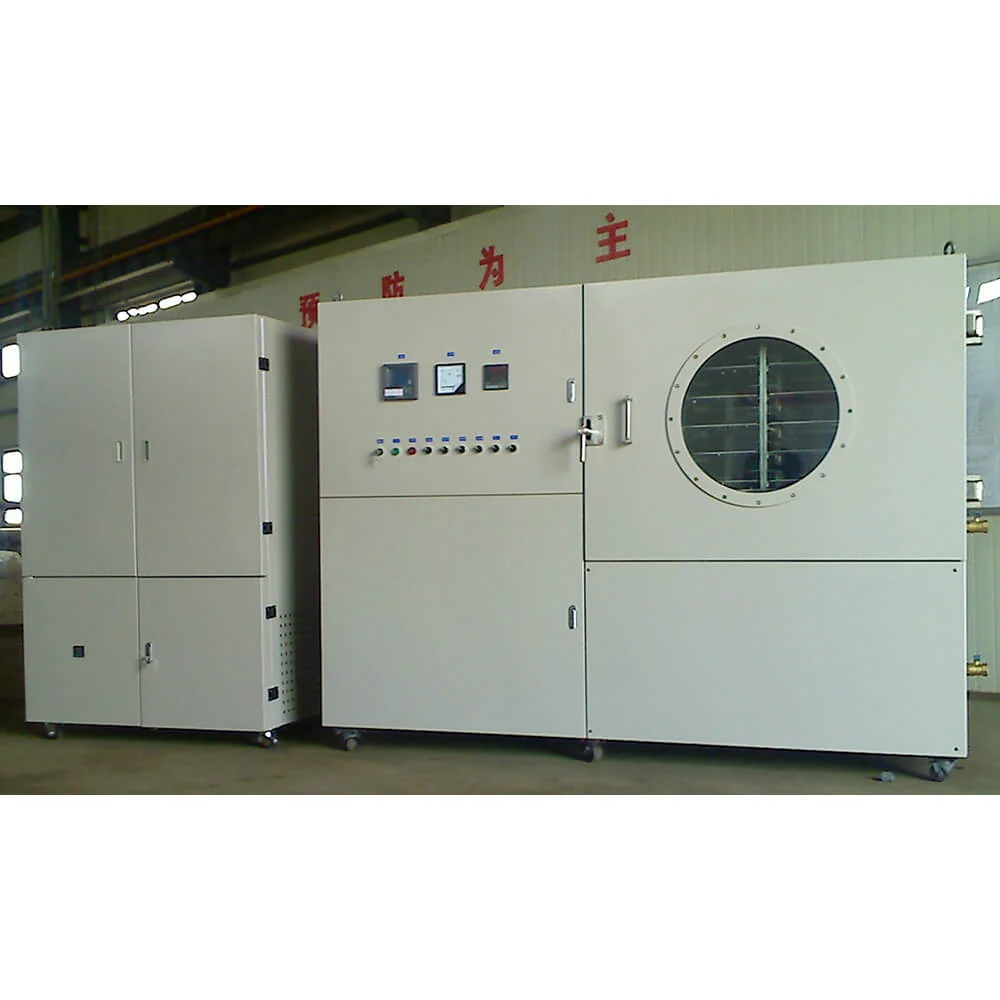 Other Food & Beverage Equipment
Freeze Dryer
Model HTK-DGJ-01 freeze dryer with input capacities from 3 kg, 5 kg and 10 kg through to 1000 kg, 2000 kg and 5000…
View Product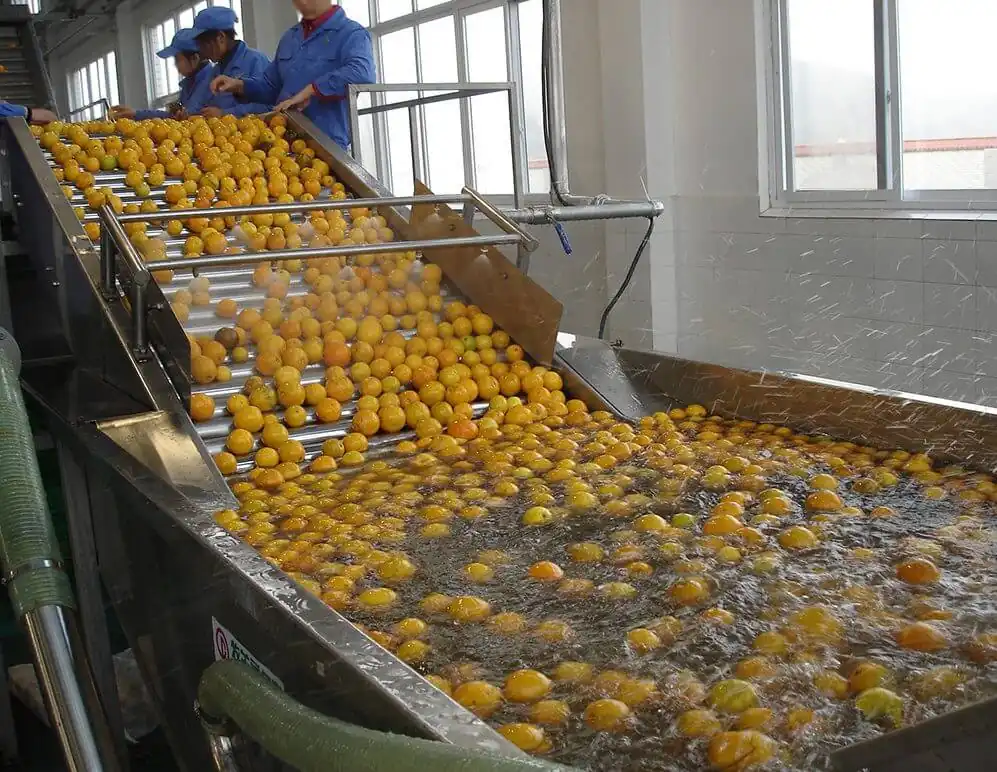 Fruit & Juice Processing Machines
Fruit Washing Machine
Model HTK-FWM-01 fruit washing machine in SUS304, with a working capacity of 1 to 30 tonnes per hour. Different…
View Product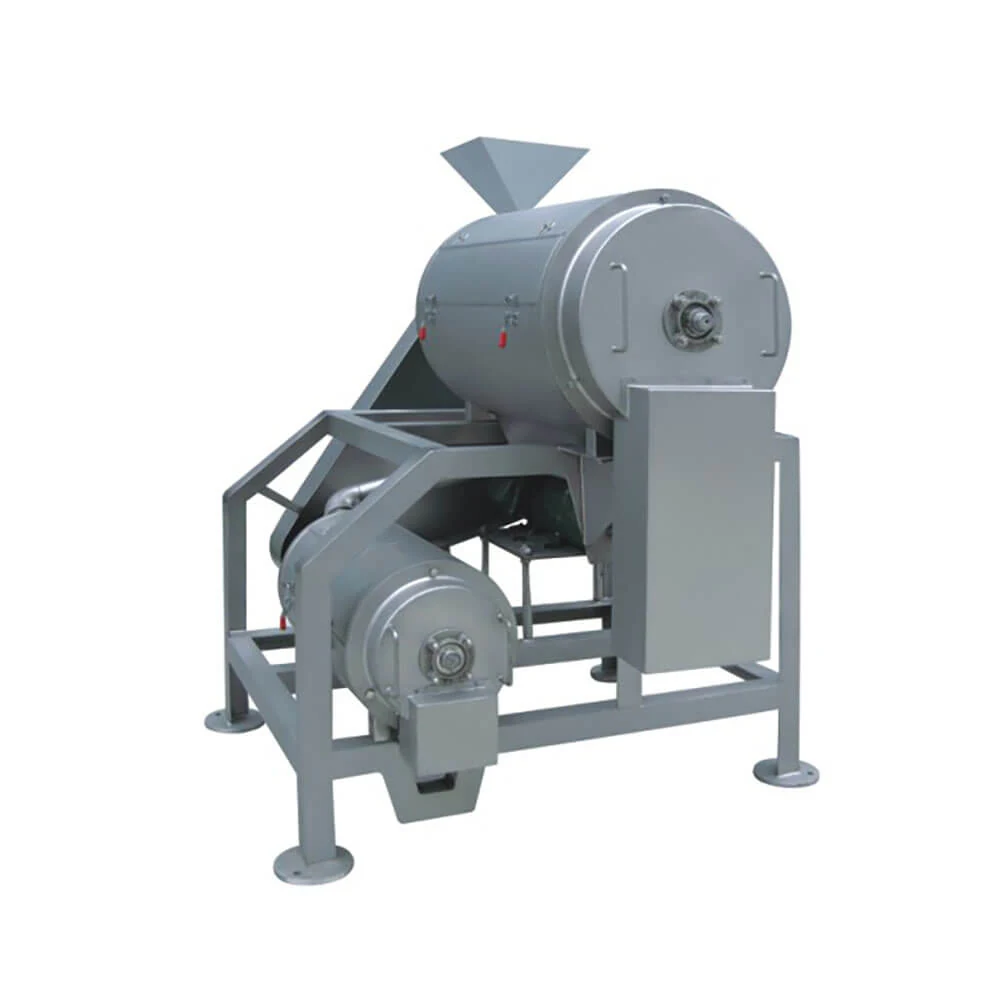 Fruit & Juice Processing Machines
Mango & Tomato Pulping Machine
Model HTK-DJJ-01 pulping machine with a working capacity of 1 to 15 tonnes per hour, built in SUS304 or SUS316L. It…
View ProductGet A Price For Fruit Destoner
Send the duty figures, the material if it is fixed, and the quantity. We will confirm the specification and quote against it.