
How to Stop Webbing Slipping Through a Strap Slider
Four causes of a strap that drops in wear, and what to change for each one.
Cause One the Webbing Surface
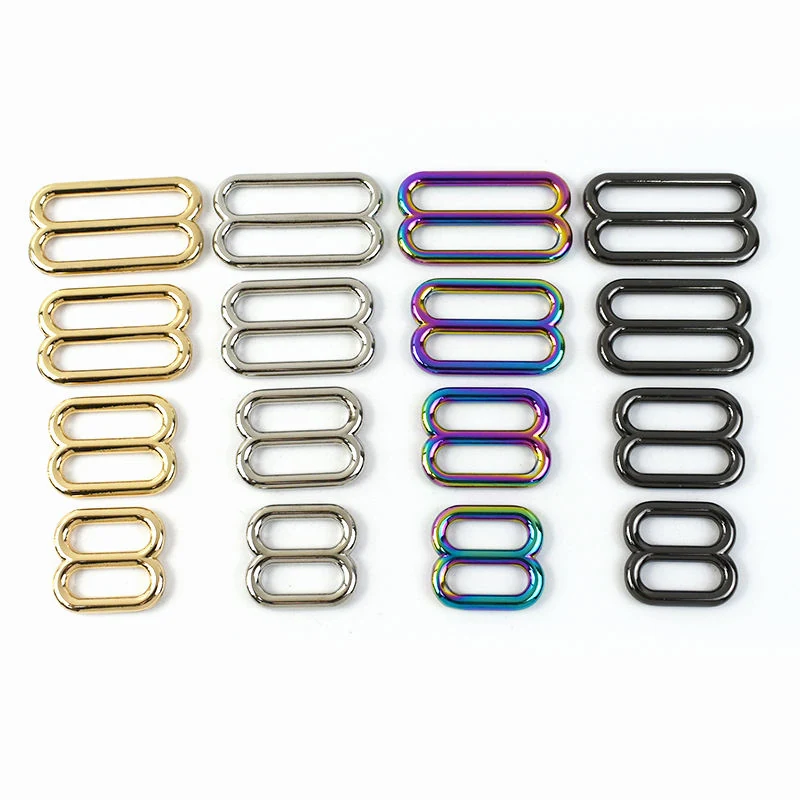
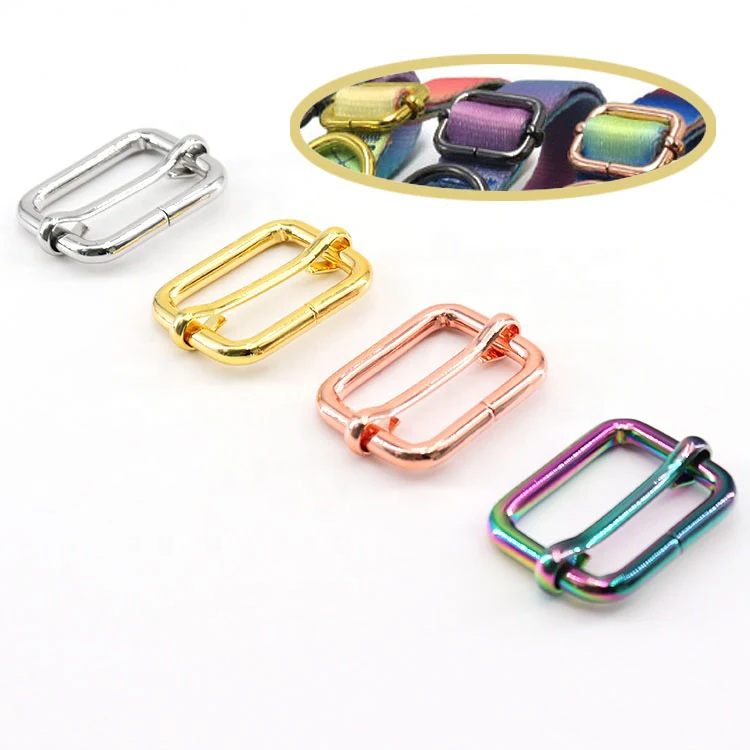
Coated, laminated and high tenacity nylon webbing is slippery by design. A fixed tri-glide relies on friction, so on these webbings it will creep however well it is made. The fix is a moving bar slider, where the rolling bar grips instead of rubbing.
Cause Two the Inner Width
A slider 1 mm wider than the webbing lets the strap wander and reduces the clamped area. Specify the inner width against a sample of your actual webbing, not the nominal size printed on the roll.
Cause Three the Threading
The free end must wrap the centre bar and pass back under itself so the load locks the bar. A strap threaded over the frame instead of the bar will slip no matter which slider is fitted.
Cause Four the Bar Profile
A bar polished perfectly smooth grips less than one with a defined profile. Our newer 1 inch slider uses a revised bar that grips with less clamping force, which also reduces the pressure mark on light coloured webbing.
When to Use a Rectangle Ring Instead
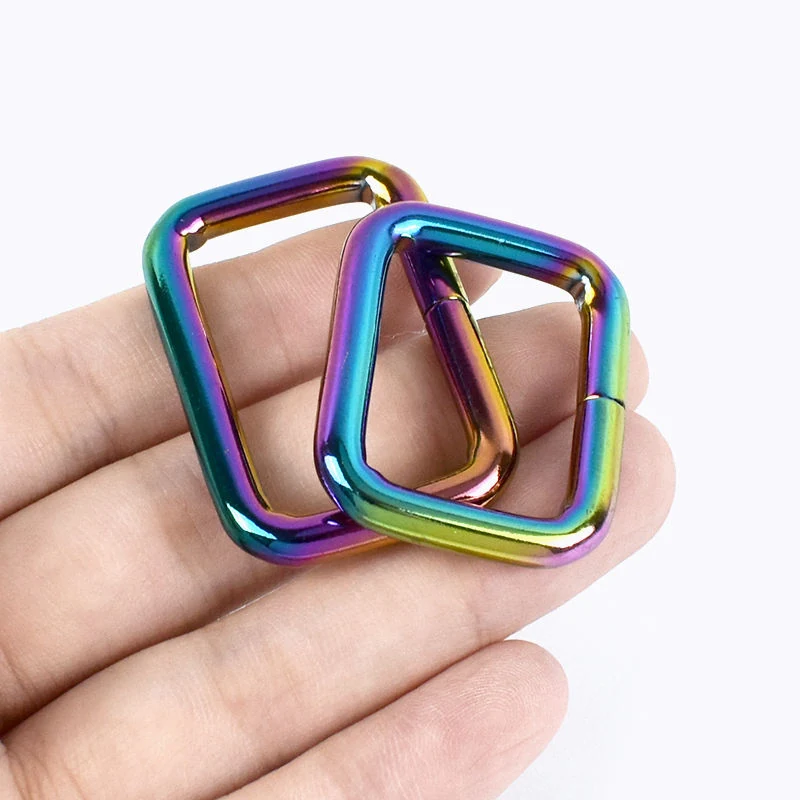
If the strap length never needs to change, a rectangle ring is cheaper, slimmer and cannot slip at all. Many straps need one ring to fix the length and one slider to adjust it, at the same inner width.
Parts This Guide Refers To
Questions About This Guide
Answers to the questions buyers ask before they order.
Will a Tighter Slider Stop the Slipping
Slightly tighter helps, but on coated webbing the reliable answer is a moving bar slider rather than a tighter fixed tri-glide.
Does a Moving Bar Slider Rattle
Not when the bar clearance is correct for your webbing thickness. Send the thickness and we will confirm the clearance before production.
Send Us the Part You Are Specifying
A photograph and a webbing width are usually enough for us to say which catalogue style fits and what it costs.