
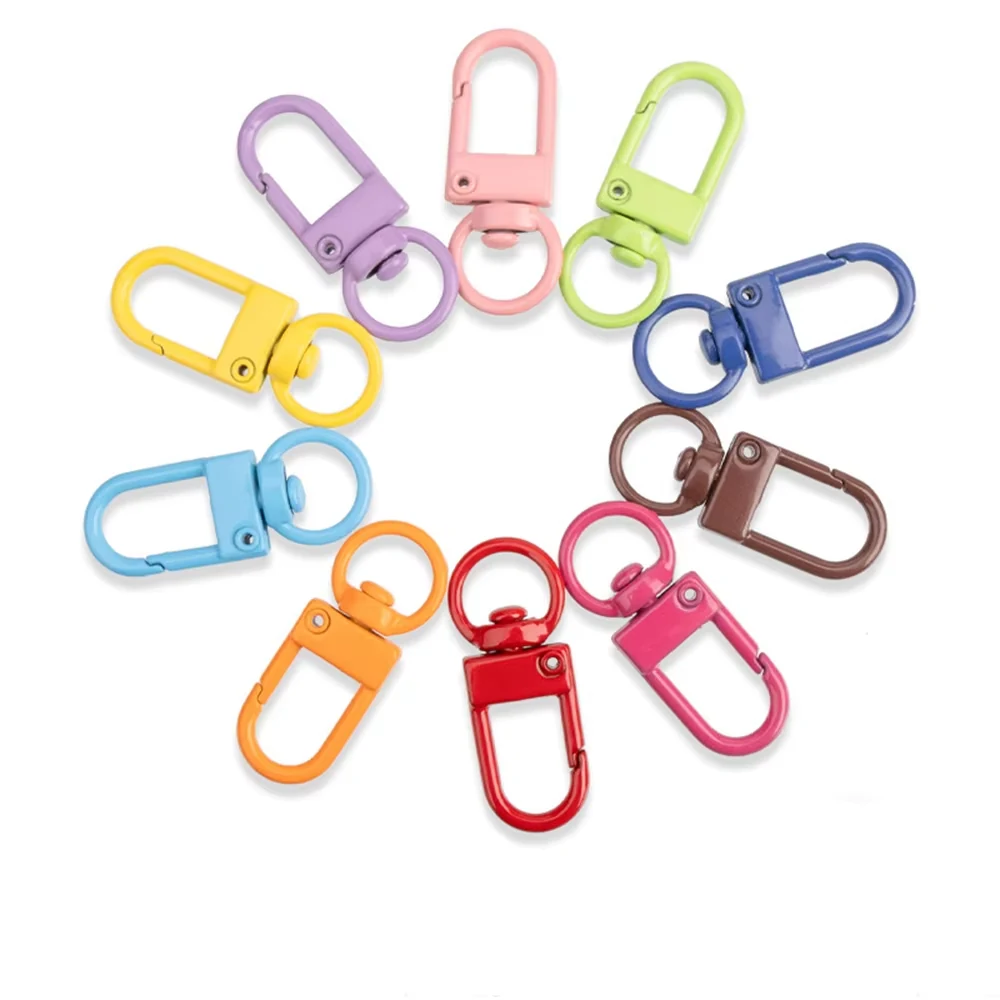
Choosing Dog Leash Hardware That Holds
Gate geometry, body section and plating are the three things that decide whether a lead clasp comes back as a complaint.
Test the Gate Sideways
Lead clasps rarely fail along the pull axis. They fail when a dog lunges at an angle and the gate is loaded across its opening. Test samples with a sideways pull, which is the load the part actually sees.
The Gate Must Close Against the Nose
On a well made clasp the gate closes against a machined nose on the hook body, so the load path goes through metal. On a poor one the gate rests on the spring, and the spring is the weakest part in the assembly.
Match the Clasp Weight to the Animal
A 1/2 inch clasp is right for a cat or a toy breed and wrong for a 30 kg dog. Heavier body sections and brass versions exist for a reason, and the extra grams are cheaper than a return.
Plating Is the Usual Failure Point
Saliva, rain and beach sand find thin plating quickly. Where the product will be used near salt water, solid brass removes plating from the equation entirely.
Buy the Set in One Batch
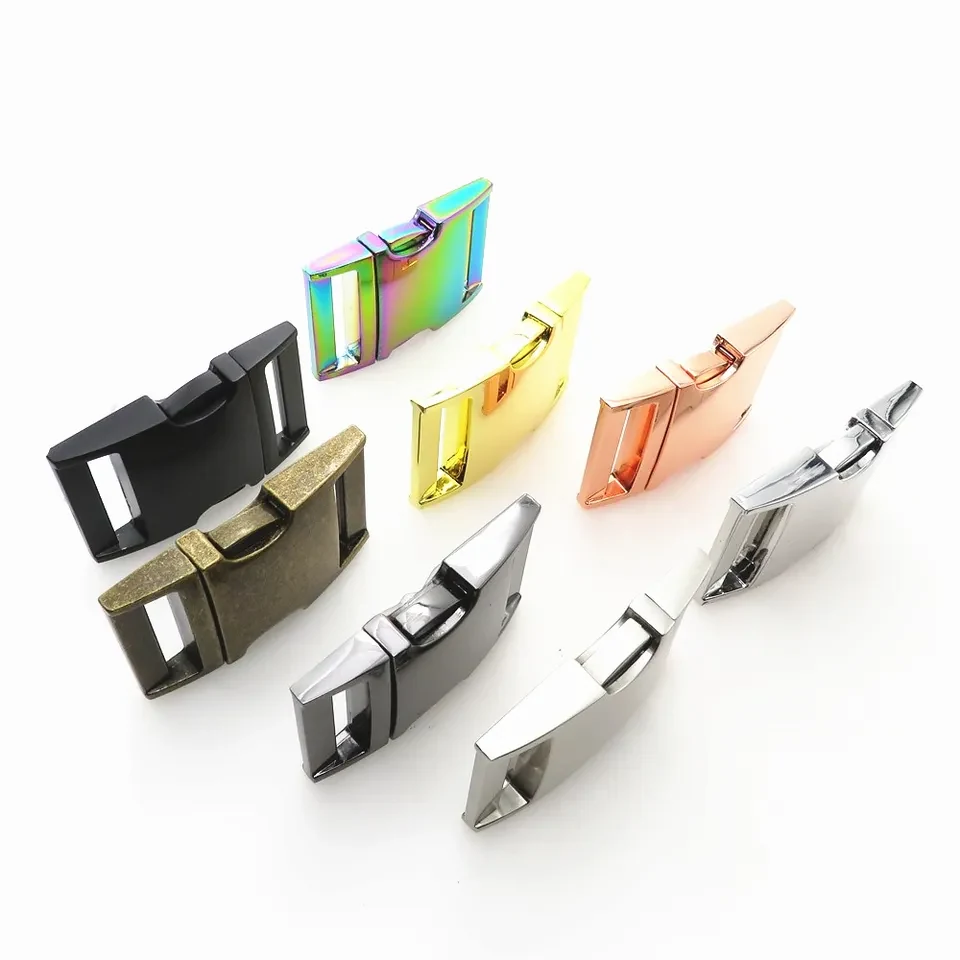
Collar, lead and harness are sold together, so the hook, D ring, slider and side release buckle should be plated together. Ordering them as one line is the only dependable way to get them to match.
Questions About This Guide
Answers to the questions buyers ask before they order.
Do You Publish a Break Load for Your Lead Clasps
No. We have not had these styles certified to a published break load, so we do not quote one. Ask for samples and test them against your own specification.
Brass or Plated Zinc for a Coastal Market
Solid brass. There is no plating layer to scratch through, which is what fails first on hardware used in salt air.
Send Us the Part You Are Specifying
A photograph and a webbing width are usually enough for us to say which catalogue style fits and what it costs.