
Buying Guide
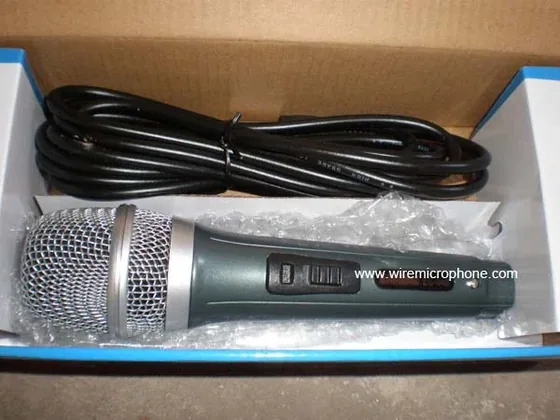
Choosing Your First Studio Microphone
Dynamic or condenser, polar pattern and diaphragm size explained for anyone buying the first microphone for a home or project studio.
Read the guideSix guides covering microphone selection, wireless system testing, stands, shock mounts and mixing consoles. Written for buyers and integrators who have to justify a choice, not for search engines.
Dynamic or condenser, polar pattern and diaphragm size explained for anyone buying the first microphone for a home or project studio.
Read the guide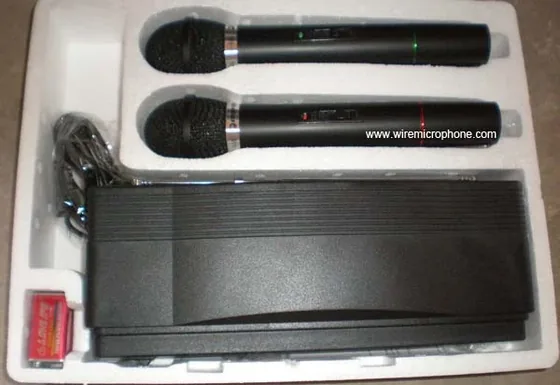
How a wireless microphone works, the difference between VHF and UHF, and what decides how many systems can share one room.
Read the guide
Why published RF power does not predict working range, and how to run a range and quality test that reflects the room you will actually use.
Read the guide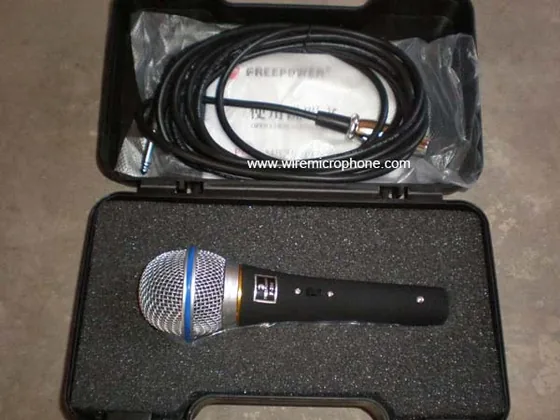
Straight stands, tripod bases, boom arms, goosenecks and the thread sizes that decide whether a mount actually fits.
Read the guide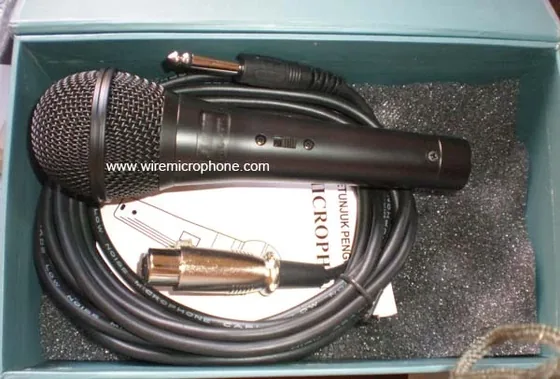
What a shock mount does, why a standard clip lets floor vibration into your recording, and how to choose between metal and plastic.
Read the guide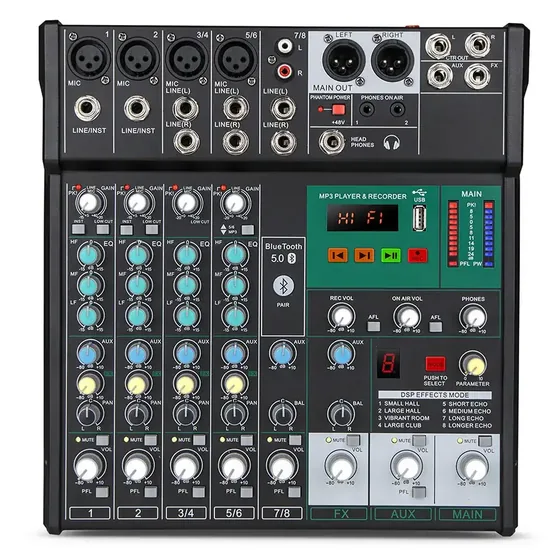
What a mixing console does, how many channels you really need, and which of our six models fits each use case.
Read the guideThey are written by the factory around the questions buyers actually send us, drawing on the same engineering knowledge used to build and test the products.
Ask first. Email us with what you want to use and where, and in most cases we are happy to help distributors with product copy.
Bench figures are published on this site for the F4-USB, F7-USB and CT-80S. For other models, email the model number and the factory will send the specification sheet.
Describe the room, the channel count and the destination country. We will tell you which model fits and what it costs landed.