
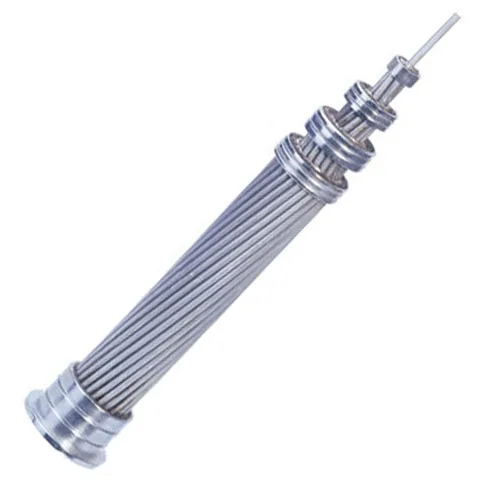
Aluminium Alloy Conductor
AAAC stranded bare conductor for longer spans without a steel core
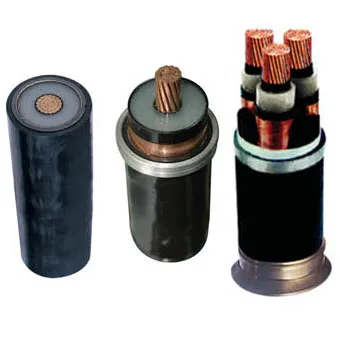
Product Overview
Aluminium alloy conductor trades a small amount of conductivity for substantially more tensile strength, and does it without a steel core. That last part is the reason it gets specified in coastal and chemically aggressive environments - there is no bimetallic interface for corrosion to attack at the joints.
Key Benefits
- Higher tensile strength than plain aluminium without a steel core
- No bimetallic interface to corrode in salty or aggressive air
- Longer spans achievable at acceptable sag than all aluminium
- Quoted alongside AAC and ACSR so the design can be compared before ordering
Problems It Solves
- Corrosion at the steel to aluminium interface in ACSR joints
- Spans that plain aluminium cannot hold at acceptable sag
- Choosing conductor on price per tonne rather than on mechanical need
Application Scenarios
- Coastal lines where bimetallic corrosion is a concern
- Spans longer than plain aluminium can hold at acceptable sag
- Chemically aggressive industrial environments
- Reconductoring to increase span capability
Who It Is For
- Distribution utilities on coastal networks
- Line design engineers comparing conductor options
- Construction contractors on longer span work
- EPC companies delivering line projects
Technical Features
- Stranded aluminium alloy construction
- Higher strength to weight ratio than AAC
- No steel reinforcing core
- Bare overhead conductor supplied on drums
Specifications
| Product Family | Aluminium Conductor |
|---|---|
| Construction | Aluminium alloy stranded, no steel core |
| Type | Bare overhead conductor |
| Conductor Sizes | Confirmed against your line design at quotation |
| Supply | Drum lengths planned against your run schedule |
Materials
- Aluminium alloy wire
Manufacturing Process
- Wire drawing
- Stranding
- Drum winding
- Length and dimensional check
- Drum marking for export
Customisation Options
- Sizes quoted against span tension and current requirements
- Drum lengths planned against the run schedule
- Compared against AAC and ACSR options in the same quotation
Compared With Other Options
| AAC | Better conductivity per unit area, less strength. Fine on short spans, limiting on long ones. |
|---|---|
| ACSR | More strength again, but with a steel core and the bimetallic interface that comes with it. |
| Insulated bundled cable | Solves clearance and contact problems at a higher cost per metre and more weight to string. |
Use Guide
- Compare AAC AAAC and ACSR against your actual span and tension before selecting
- Match terminations to the conductor construction
- Plan drum lengths against the run schedule
- Protect drums from mechanical damage in storage and transport
Related Products
Aluminium Conductor
All aluminium stranded bare conductor for overhead distribution spans
View details →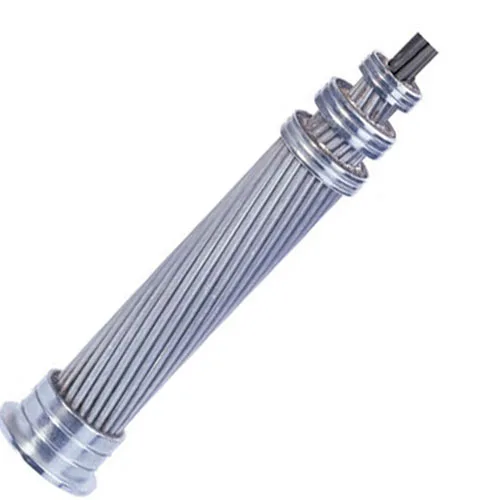
Aluminium Conductor Steel Reinforced
ACSR bare overhead conductor for long spans and crossings
View details →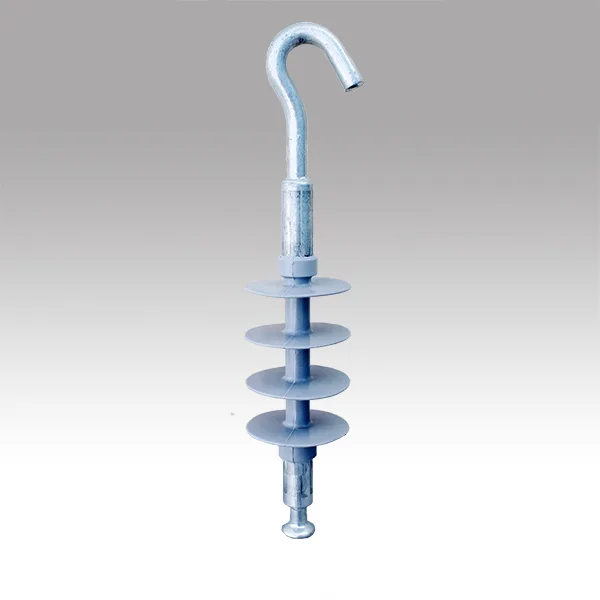
11kV Silicone J Hook Insulator
Silicone composite J hook insulator for 11kV conductor positions
View details →Aluminium Alloy Conductor Questions
Why is AAAC preferred on coastal lines
It avoids the steel to aluminium interface entirely, which removes the galvanic corrosion path that salt-laden air exploits at joints.
Is the conductivity penalty significant
It is a trade against a substantial strength gain. Whether it matters depends on whether your design is limited by current or by span.
Can you quote all three constructions
Yes - send the span and current requirements and the three are priced side by side.
Get a Price on Aluminium Alloy Conductor
Send the quantity, the specification you are matching and the destination port.