
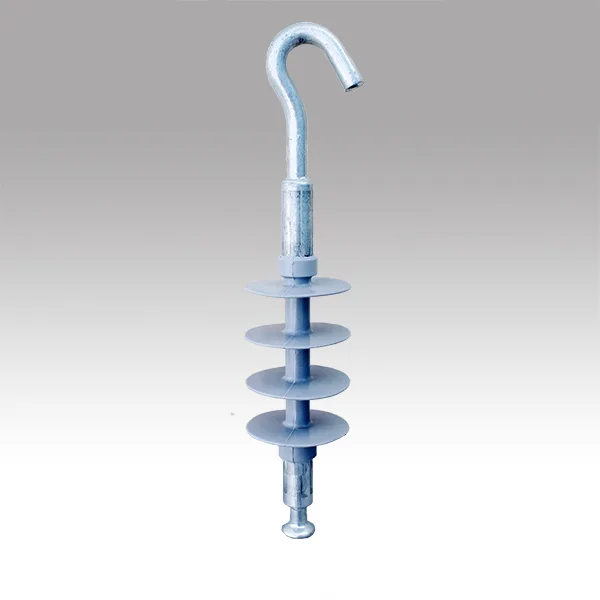
11kV Silicone J Hook Insulator
Silicone composite J hook insulator for 11kV conductor positions
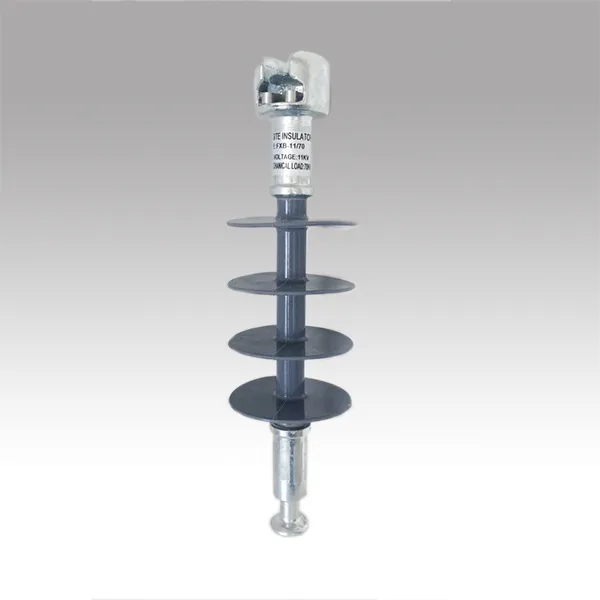
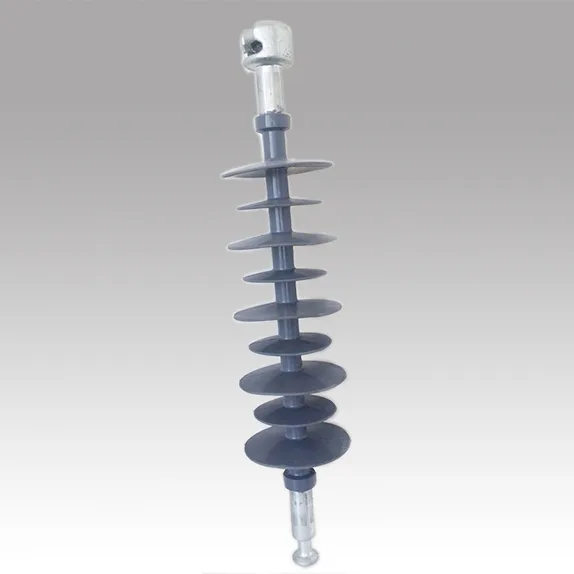
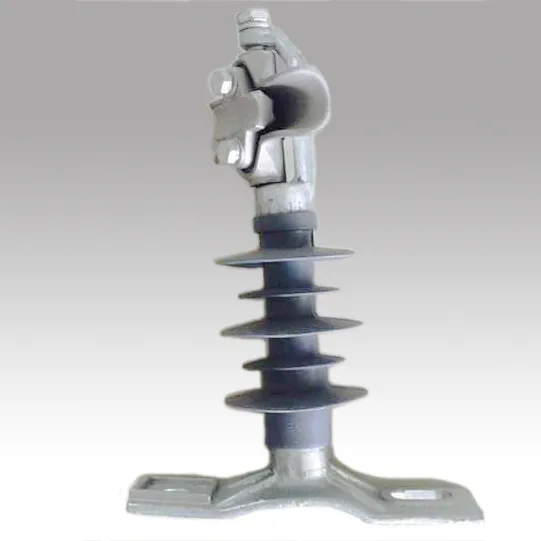
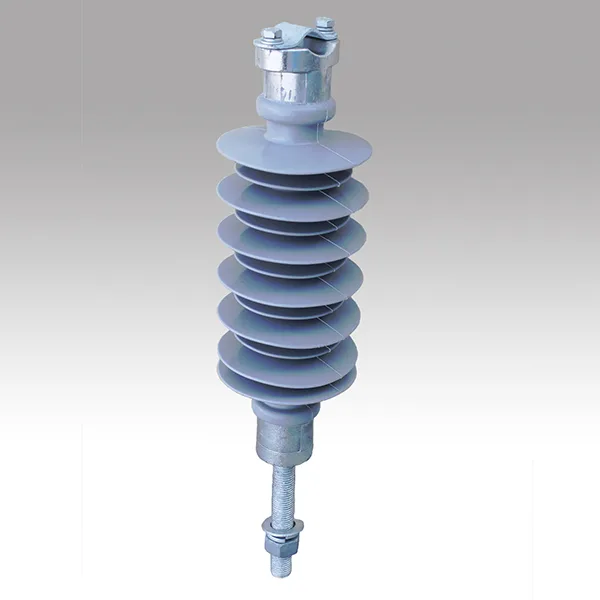
Product Overview
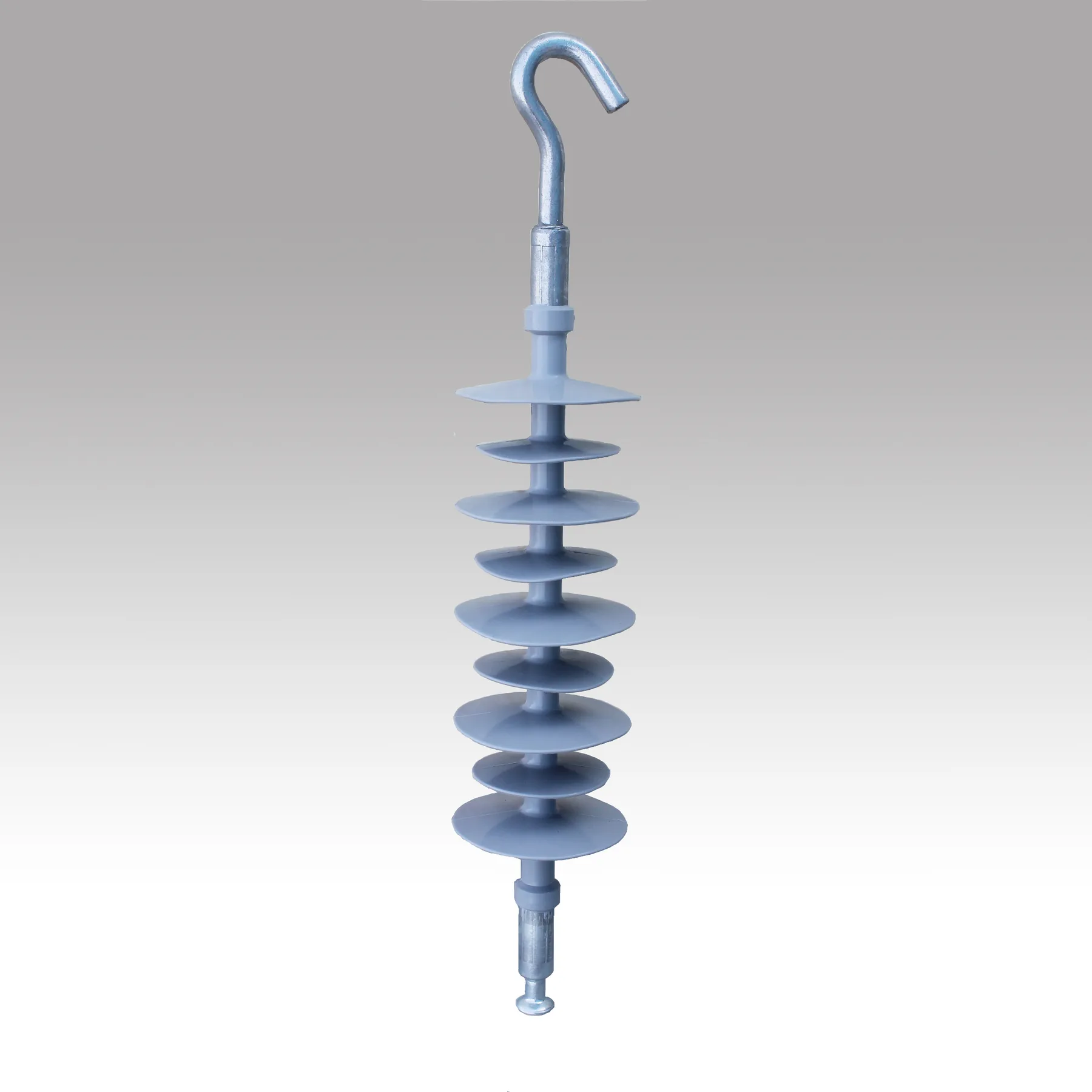
A J hook insulator carries the conductor in a hooked arrangement rather than clamping it onto a standoff top. It suits positions where the conductor has to be supported and retained without a separate tie, and the silicone composite construction brings the same pollution and handling advantages as the rest of the range.
Key Benefits
- Supports and retains the conductor in one arrangement
- Silicone surface resists tracking in polluted wet conditions
- Composite construction is light to handle at the pole top
- Impact resistant through transport and installation
Problems It Solves
- Conductor ties that loosen over time
- Pollution flashover at conductor support positions
- Ceramic insulation broken during transport to remote lines
Application Scenarios
- 11kV conductor support positions on poles
- Positions where the conductor needs retaining without a separate tie
- Coastal and industrial line environments
- Replacing ceramic hook insulation on an existing line
Who It Is For
- Distribution utilities at 11kV
- Line construction crews
- Rural electrification contractors
- Maintenance departments
Technical Features
- Silicone rubber composite construction
- J hook conductor support form
- Rated at 11kV
- Metal mounting fitting
Specifications
| Product Family | Silicon material |
|---|---|
| Rated Voltage | 11kV |
| Housing Material | Silicone rubber |
| Form | J hook conductor retention |
| Function | J hook conductor support insulation |
| Dimensions and Ratings | Confirmed against your line standard at quotation |
Materials
- Silicone rubber housing
- Composite insulating core
- Metal mounting fitting
Manufacturing Process
- Core production
- Housing moulding
- Fitting assembly
- Mechanical and electrical check
- Packing for export
Customisation Options
- Hook dimensions matched to the conductor being carried
- Mounting fitting arrangement matched to your pole hardware
- Quoted with the brackets and bolts for the position
Compared With Other Options
| Standoff insulator with a tie | A tied arrangement needs an additional component and a technique. The hook form retains the conductor in the insulator itself. |
|---|---|
| 33kV J hook insulator | The same form at the higher class. Select on system voltage. |
Use Guide
- Confirm the hook size against the conductor diameter
- Check the mounting fitting matches your pole hardware
- Seat the conductor properly in the hook before releasing tension
- Inspect for surface tracking at maintenance visits
Related Products
33kV Silicone J Hook Insulator
Silicone composite J hook insulator for 33kV conductor positions
View details →11kV Silicone Standoff Insulator
Silicone composite standoff insulator for 11kV support positions
View details →
11kV Silicone Pot Insulator
Silicone composite pot insulator for 11kV mounting positions
View details →Related Guides
Porcelain or Silicone Composite Insulators How to Decide
The choice is decided by pollution, weight and handling losses rather than by price per unit.
Read guide →
Drop Out Fuses and Surge Arresters on a Distribution Pole
What each device protects against and why a pole-mounted transformer normally needs both.
Read guide →11kV Silicone J Hook Insulator Questions
What conductor size does the hook take
Send the conductor diameter and the arrangement and the correct unit is confirmed.
Does the conductor still need a tie
The hook form is designed to retain the conductor. Confirm your arrangement in the enquiry so the right unit is supplied.
Is the mounting fitting adaptable
Fittings can be matched to your pole hardware, and developed to drawing where needed.
Get a Price on 11kV Silicone J Hook Insulator
Send the quantity, the specification you are matching and the destination port.