
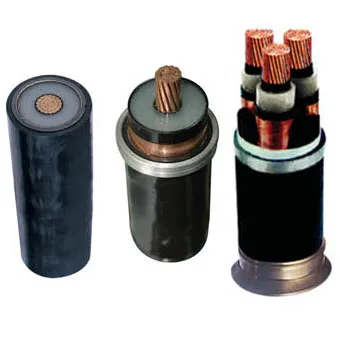
AAC AAAC and ACSR Which Overhead Conductor for Your Span
Strength to weight ratio sets the span you can hold at acceptable sag. That is the real selection criterion.
The Three Constructions
AAC is stranded from hard drawn aluminium only - the best conductivity per unit cross section of the three and the lowest tensile strength. AAAC is stranded from aluminium alloy, trading a little conductivity for substantially more strength. ACSR puts a galvanised steel core inside aluminium strands, so the steel carries the mechanical tension and the aluminium carries the current.
Why Span Not Current Usually Decides
Designers often start by sizing for current and finish by discovering the span will not hold at acceptable sag. Conductor tension, span length and sag are locked together: at a given tension, a longer span sags more, and clearance to ground is a regulatory limit not a preference. Where the span is long, the conductor is chosen for strength first and the current capacity is then checked.
When ACSR Is the Answer
River and valley crossings, long rural spans, and any position where the tension needed for clearance exceeds what aluminium alone can take. The steel core is doing structural work - which is also why ACSR needs attention at the joints, since a bimetallic interface in a wet or salty environment is a corrosion site.
When AAAC Makes More Sense
AAAC gives most of the strength advantage without the steel, which removes the bimetallic corrosion concern entirely. In coastal and chemically aggressive environments that single property often outweighs the small conductivity penalty compared with AAC.
When Plain AAC Is Enough
Short urban spans, distribution work where clearance is easy, and reconductoring where the existing structures set modest tensions. Where the mechanical demand is low, paying for strength you do not use is simply a lower current capacity per unit cost.
What to Send With an Enquiry
Span lengths, the required current capacity, the ground clearance rule you work to, the environment, and the fittings and clamps that will terminate the conductor. Quoting the conductor without the termination hardware is where mismatches start.
Products Referenced in This Guide
Aluminium Conductor
All aluminium stranded bare conductor for overhead distribution spans
View details →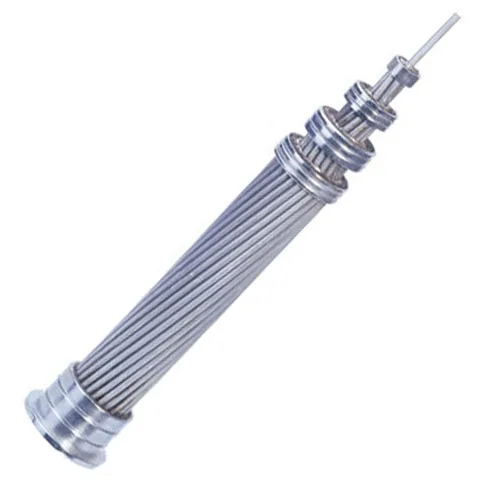
Aluminium Alloy Conductor
AAAC stranded bare conductor for longer spans without a steel core
View details →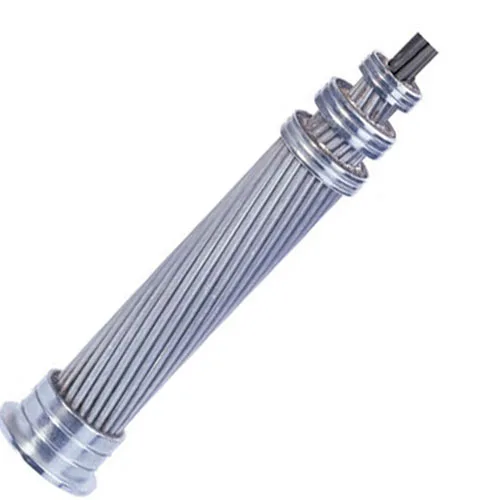
Aluminium Conductor Steel Reinforced
ACSR bare overhead conductor for long spans and crossings
View details →Questions About This Topic
Does ACSR need different clamps to AAC
The termination must suit the conductor construction and diameter. Send the conductor selection with the fittings enquiry so the clamps are quoted against the actual conductor.
Is aluminium conductor suitable for coastal lines
It is widely used on them. Where bimetallic corrosion is the concern, AAAC avoids the steel core entirely while keeping most of the mechanical advantage.
Match This Guidance to Your Line
Send the position details, the environment and the part you are replacing.