
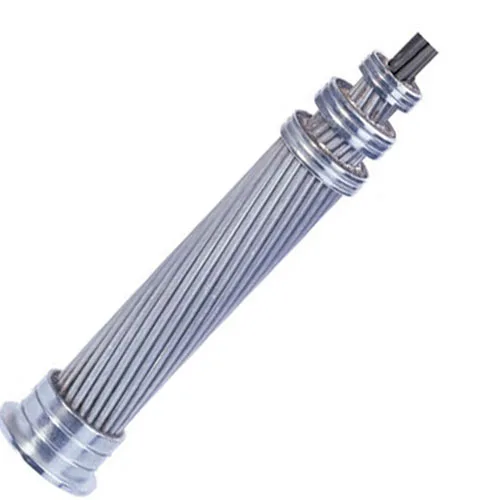
Aluminium Conductor Steel Reinforced
ACSR bare overhead conductor for long spans and crossings
Product Overview
ACSR puts a galvanised steel core inside aluminium strands: the steel takes the mechanical tension and the aluminium carries the current. It is the construction that makes river crossings, valley spans and long rural distribution runs possible at a sag that still clears the ground.
Key Benefits
- Steel core carries tension that aluminium alone cannot hold
- Long spans achievable at acceptable sag and ground clearance
- Aluminium strands carry the current while the core takes the load
- Supplied with the terminations and clamps suited to the construction
Problems It Solves
- Spans that plain aluminium cannot hold at acceptable sag
- Ground clearance limits driving tension beyond aluminium capability
- Joint corrosion at the bimetallic interface if terminations are wrong
Application Scenarios
- River and valley crossings
- Long rural distribution spans
- Lines where ground clearance sets the tension requirement
- Reconductoring to increase span capability
Who It Is For
- Line construction contractors on long span work
- Rural electrification programmes
- Distribution utilities
- EPC companies delivering transmission-adjacent distribution work
Technical Features
- Galvanised steel core inside stranded aluminium
- Steel carries mechanical tension, aluminium carries current
- Bare overhead conductor for long spans
- Supplied on drums
Specifications
| Product Family | Aluminium Conductor |
|---|---|
| Construction | Aluminium strands over a galvanised steel core |
| Type | Bare overhead conductor |
| Conductor Sizes | Confirmed against your line design at quotation |
| Supply | Drum lengths planned against your run schedule |
Materials
- Hard drawn aluminium wire
- Galvanised steel core wire
Manufacturing Process
- Core and aluminium wire drawing
- Stranding over the steel core
- Drum winding
- Dimensional and length check
- Drum marking for export
Customisation Options
- Sizes quoted against span tension sag and current requirements
- Drum lengths planned against the crossing and run schedule
- Terminations and clamps quoted for the specific construction
Compared With Other Options
| AAC | No steel core - simpler at the joints, but limited on span and tension. |
|---|---|
| AAAC | Most of the strength advantage without the steel core, which removes the bimetallic corrosion concern. |
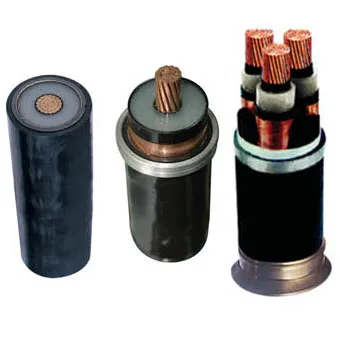
| Insulated bundled cable | Different problem entirely - bundled cable addresses clearance and contact, not span capability. |
Use Guide
- Size for tension and sag first, then verify current capacity
- Use terminations suited to the steel cored construction
- Pay attention to joint protection in wet or salty environments
- Plan drum lengths so that crossings are made without a mid-span joint
Related Products
Aluminium Conductor
All aluminium stranded bare conductor for overhead distribution spans
View details →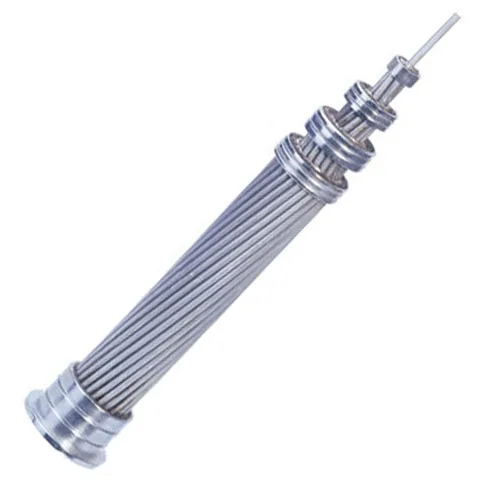
Aluminium Alloy Conductor
AAAC stranded bare conductor for longer spans without a steel core
View details →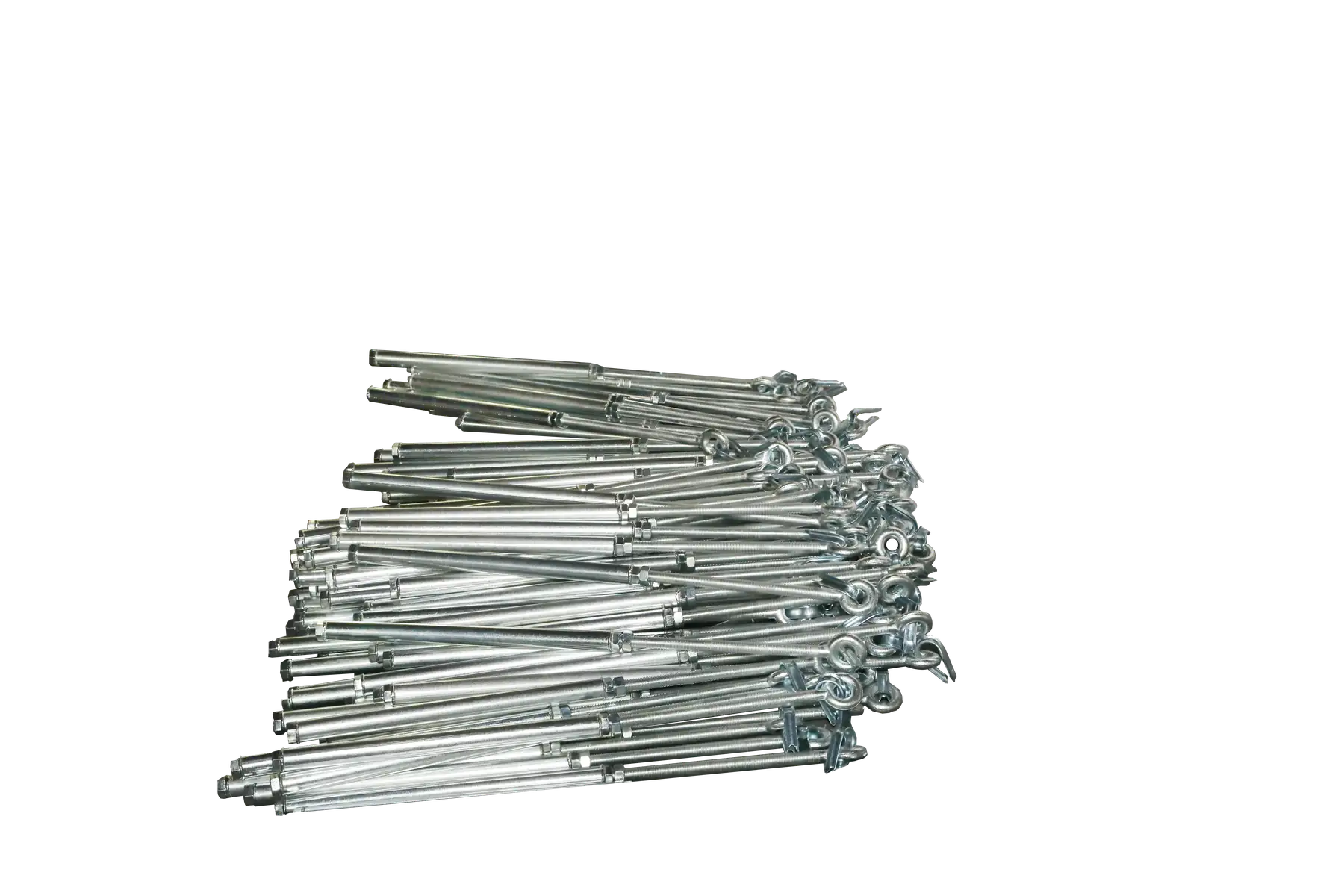
Stay Rod
Stay anchor rod for line angle and termination pole guying
View details →Aluminium Conductor Steel Reinforced Questions
When should I use ACSR rather than AAAC
When the required tension is beyond what alloy can carry, or where the design is already built around ACSR. In salty environments where either would work mechanically, AAAC avoids the bimetallic interface.
Do joints need special treatment
Terminations must suit the steel cored construction, and joint protection matters more in wet and salty air. Send the environment with the enquiry.
Can a crossing be supplied as one length
Send the crossing spans in the run schedule and drum lengths are planned so crossings avoid mid-span joints where possible.
Get a Price on Aluminium Conductor Steel Reinforced
Send the quantity, the specification you are matching and the destination port.