
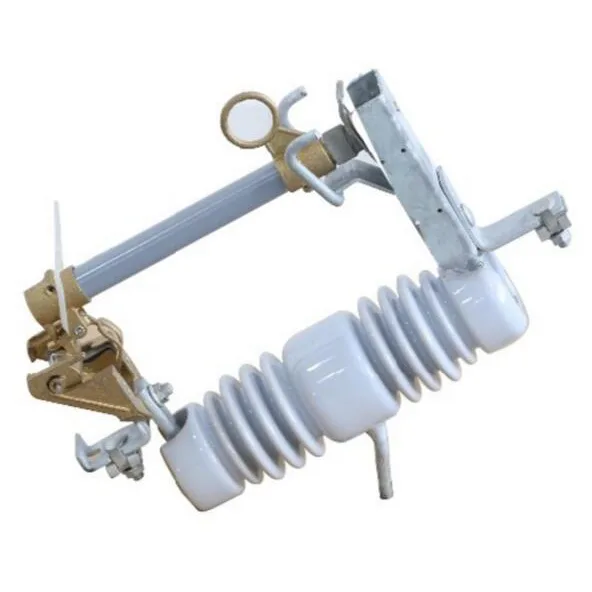
36kV Porcelain Drop Out Fuse
Porcelain housed 36kV drop out fuse for distribution protection
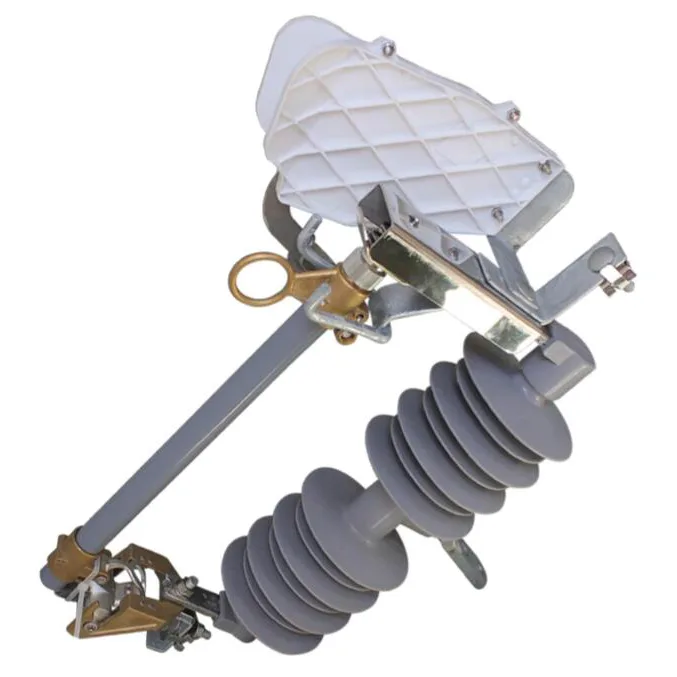
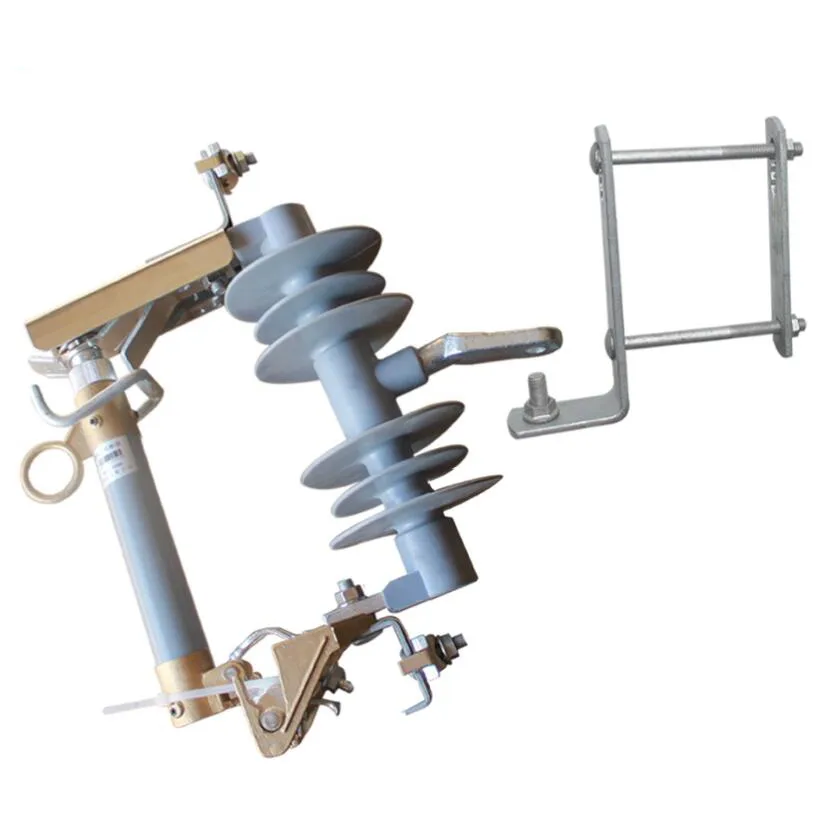
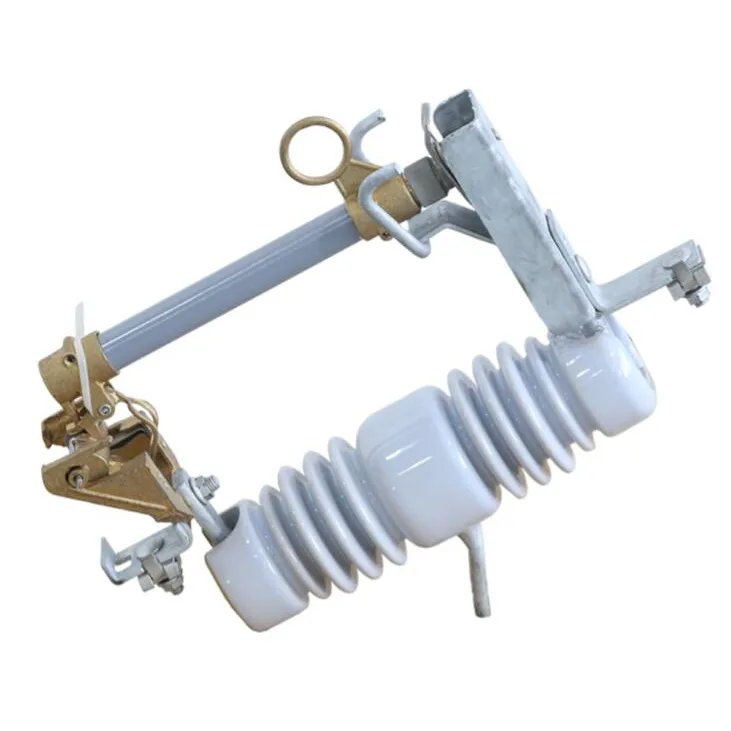
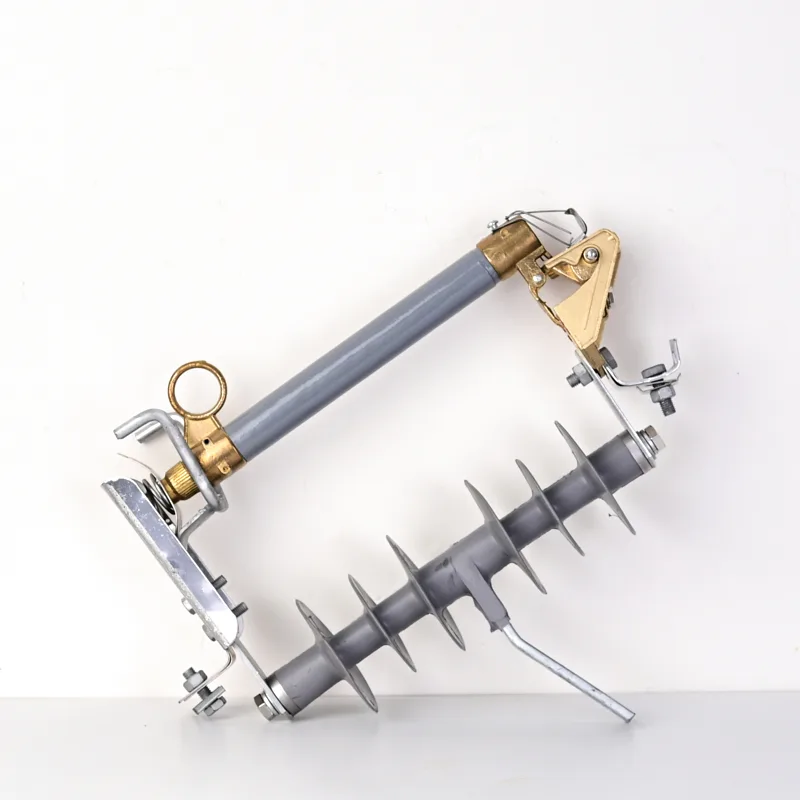
Product Overview
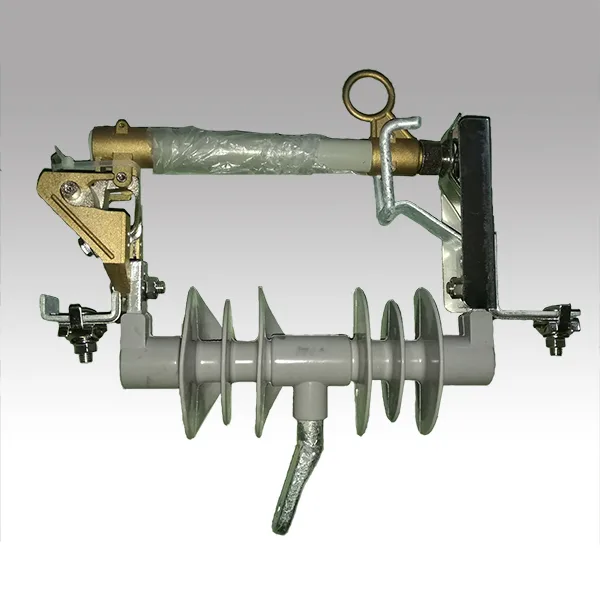
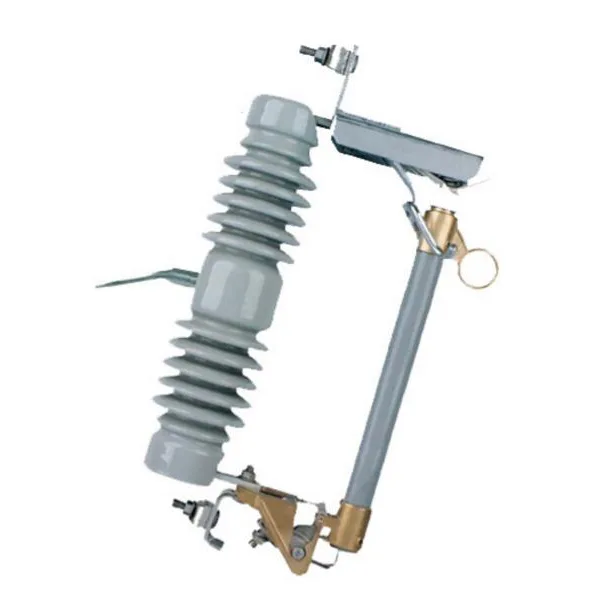
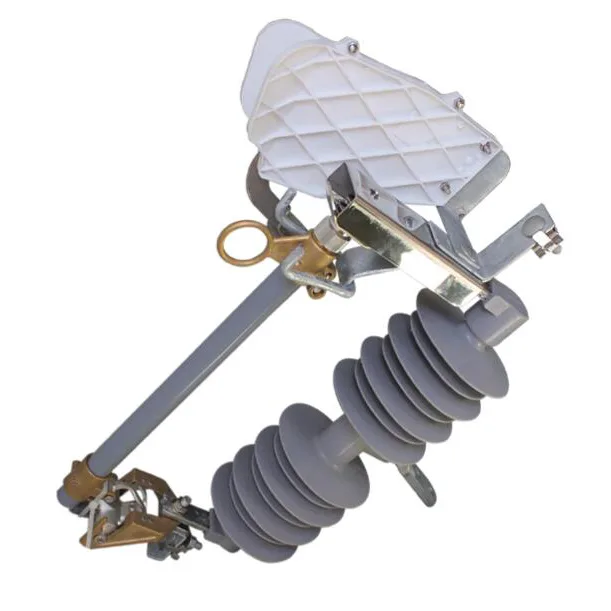
A 36kV drop out fuse with a glazed porcelain housing, for networks whose specification requires a ceramic body at that class. The operating principle is the same as the composite units - the carrier drops open on a fault and stays visible from the ground - but the housing is porcelain, which does not age under ultraviolet light and holds its mechanical rating indefinitely.
Key Benefits
- 36kV protection with a glazed ceramic housing
- Visible drop open indication from ground level
- Porcelain surface unaffected by ultraviolet exposure
- Meets specifications that require a ceramic housing at this class
Problems It Solves
- Specifications that will not accept a polymer housing
- Polymer ageing concerns in very high UV environments
- Matching protection equipment already installed on the network
Application Scenarios
- 36kV distribution positions requiring a porcelain specification
- Networks with an established ceramic standard
- High ultraviolet environments
- Matching protection equipment already installed on a ceramic network
Who It Is For
- Utilities with a ceramic protection specification
- Project buyers working to a client standard
- Networks operating at 36kV
- Maintenance departments matching installed equipment
Technical Features
- Glazed porcelain housing
- Drop open carrier with visible indication
- Rated at 36kV
- Pole mounted distribution protection
Specifications
| Product Family | Silicon material |
|---|---|
| Rated Voltage | 36kV |
| Housing Material | Glazed porcelain |
| Function | Drop out fuse protection |
| Indication | Visible drop open carrier |
| Dimensions and Ratings | Confirmed against your line standard at quotation |
Materials
- Glazed porcelain housing
- Metal contacts and carrier assembly
Manufacturing Process
- Porcelain body forming
- Glazing and firing
- Contact and carrier assembly
- Electrical and dimensional check
- Packing separated for sea freight
Customisation Options
- Ratings confirmed against your protection design
- Packing specified for the transport route given the ceramic housing
- Quoted alongside the silicone range where a network uses both
Compared With Other Options
| 33kV silicone drop out fuse | The composite alternative at the lower class - lighter, does not shatter, better in pollution. Porcelain is specified where the standard requires ceramic. |
|---|---|
| Porcelain insulator range | Same material reasoning applied to line insulation rather than protection. |
Use Guide
- Confirm the link rating against the protection study
- Handle and transport as a ceramic item - impact damage is not always visible
- Mount so the carrier drops clear of the structure
- Inspect the housing for transit damage before installation
Related Products
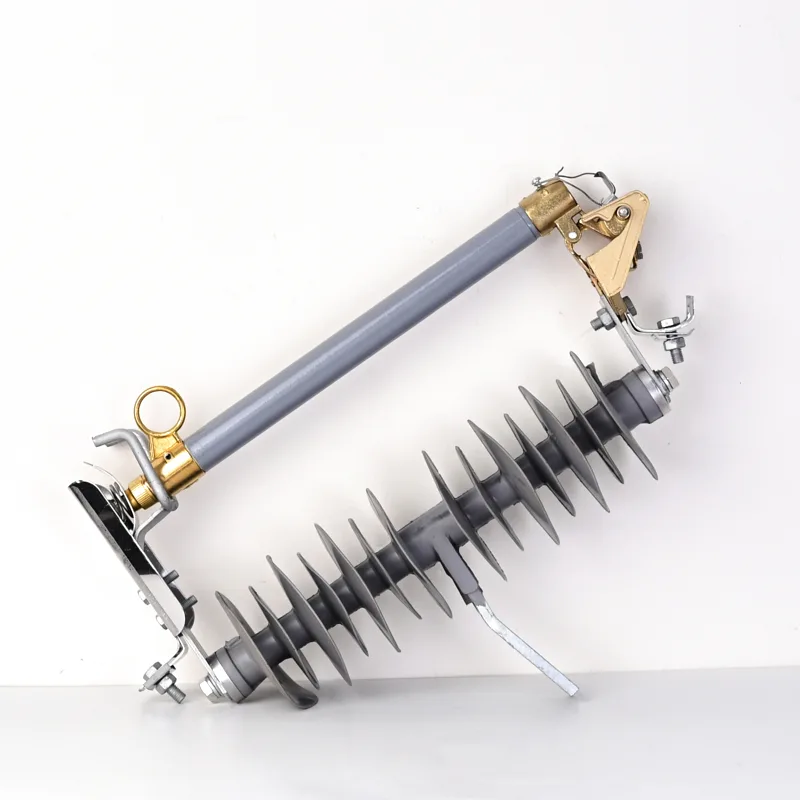
33kV Silicone Drop Out Fuse
Pole mounted 33kV drop out fuse with a silicone composite housing
View details →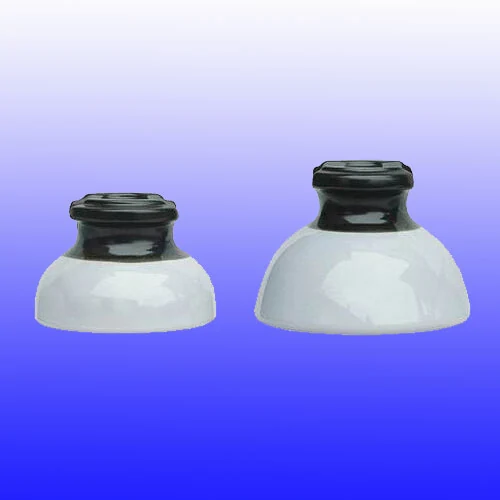
Porcelain Insulator 55 Series
Glazed porcelain insulator in the 55 series for overhead line positions
View details →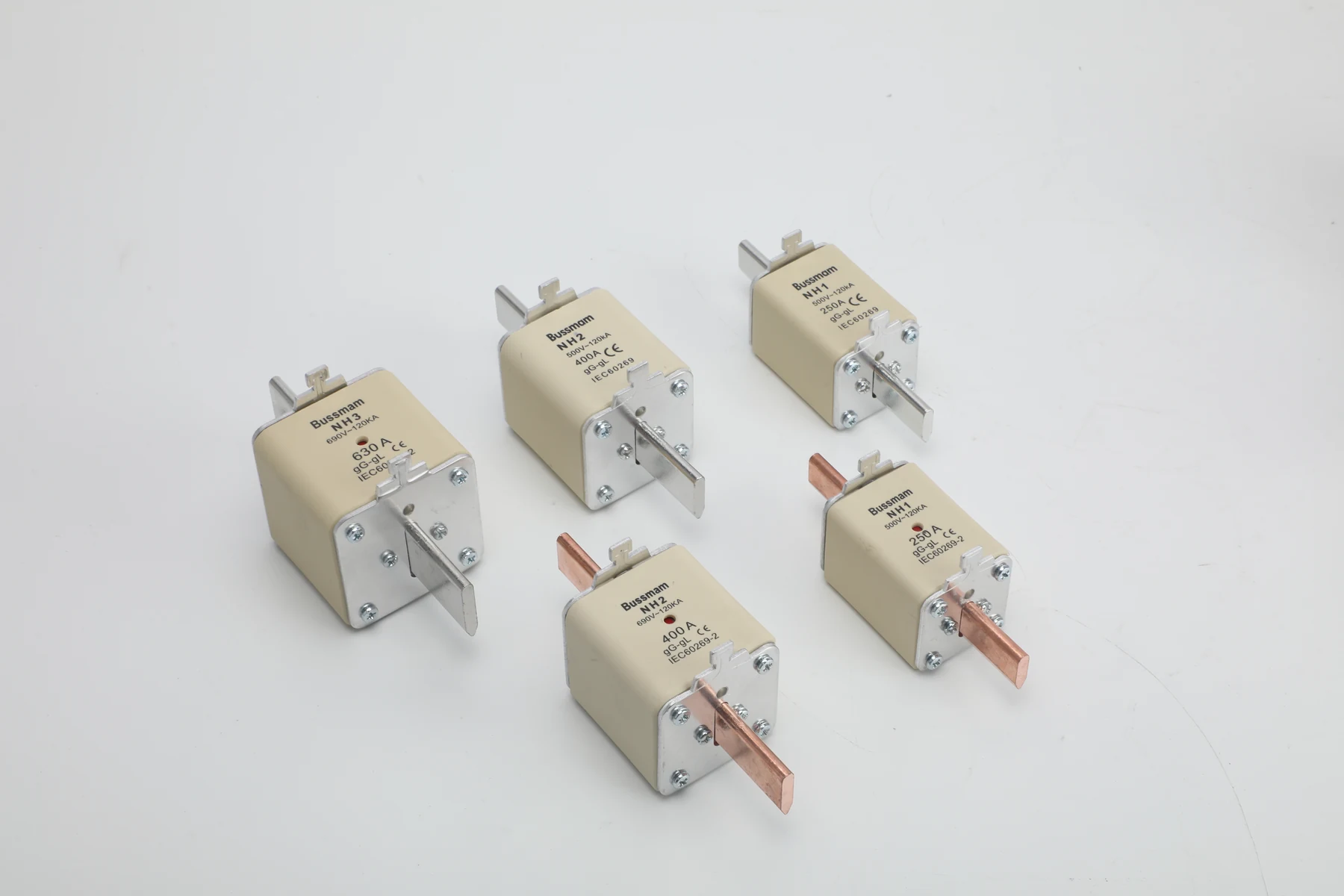
Fuse Link
Replaceable fuse element for installed fuse base positions
View details →Related Guides
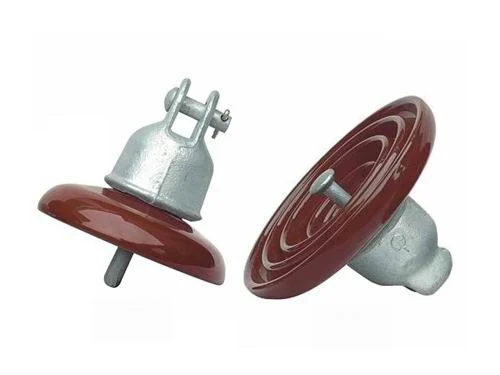
Porcelain or Silicone Composite Insulators How to Decide
The choice is decided by pollution, weight and handling losses rather than by price per unit.
Read guide →
Drop Out Fuses and Surge Arresters on a Distribution Pole
What each device protects against and why a pole-mounted transformer normally needs both.
Read guide →36kV Porcelain Drop Out Fuse Questions
Why choose porcelain at 36kV
Usually because the network specification requires a ceramic housing, or because UV exposure at the site is severe enough that polymer ageing is a genuine concern.
How is it packed for export
As a ceramic item with units separated. Confirm the destination and handling route in your enquiry.
Is a silicone 36kV version available
Send the requirement with your enquiry and we will confirm what is available at that class.
Get a Price on 36kV Porcelain Drop Out Fuse
Send the quantity, the specification you are matching and the destination port.