
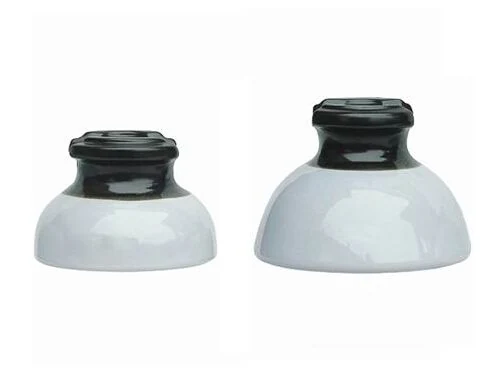
Porcelain or Silicone Composite Insulators How to Decide
The choice is decided by pollution, weight and handling losses rather than by price per unit.
What the Two Materials Actually Do Differently
Both families keep the conductor off the earthed structure. The difference shows up on the surface. Glazed porcelain is wetted by water: a film spreads across the whole surface. Silicone rubber is hydrophobic: water beads into droplets and the surface keeps dry bands between them. In clean dry air neither behaviour matters. In wet polluted air it decides whether the position flashes over.
Where Pollution Changes the Answer
A pollution layer on its own is harmless. The failure happens when dew, drizzle or fog wets that layer and turns it into a conductive film across the insulator surface. Leakage current dries patches of the film, arcs bridge the dry bands, and the arcs extend until the whole surface is bridged. Silicone resists this because low molecular weight components migrate to the surface and keep re-establishing the hydrophobic behaviour even through a contamination layer. That property is why coastal and industrial feeders are the first place utilities switch.
Weight and What It Costs at the Pole Top
A composite unit is a fibreglass rod with a moulded housing. It weighs a fraction of the ceramic equivalent of the same class. On a pole that means a two-man crew instead of a lifting aid, and a shorter time at height per position. Across a few hundred poles that labour difference is usually larger than the unit price difference in either direction.
Breakage in Transit and Handling
Porcelain is brittle. A crate dropped from a truck bed on an unsealed road produces units that look intact and are not. Composite units take the same impact and continue in service. On remote projects where a replacement is days away, this is often the argument that settles the specification.
Where Porcelain Still Wins
Porcelain does not age under ultraviolet light, and its mechanical strength does not drift over decades. Utilities with a long-standing ceramic specification, a working cleaning regime and heavily loaded substation positions have good reasons to stay with it. The sensible answer on most networks is not one or the other but composite on the exposed line and porcelain where load and precedent dominate.
Practical Selection Checklist
Distance to the coast, nearby industry and its emissions, annual rainfall and fog pattern, the mechanical load at the position, the maintenance travel time, the existing network standard, and the transport route to site. Those seven answers select the family; voltage class and mounting arrangement then select the item.
Products Referenced in This Guide
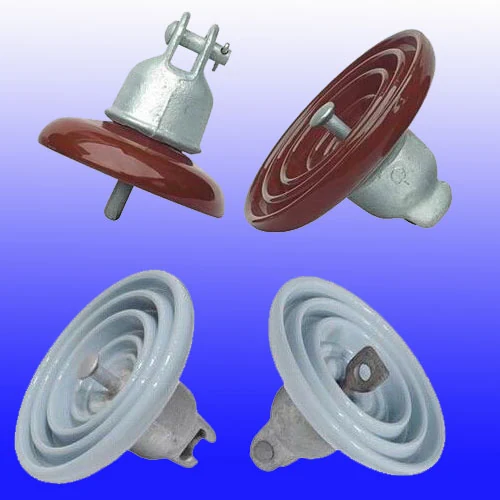
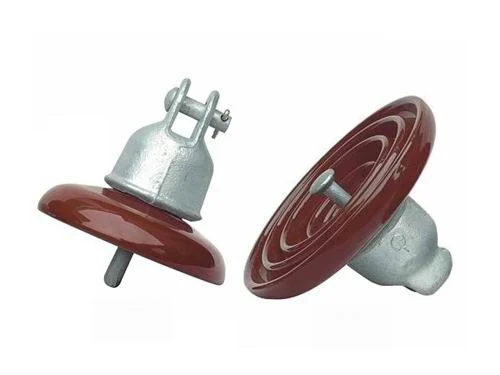
Porcelain Insulator 52 Series
Glazed porcelain insulator in the 52 series for distribution line positions
View details →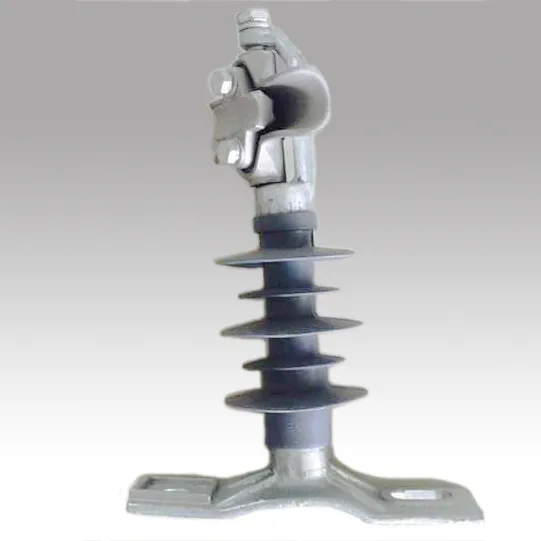
11kV Silicone Standoff Insulator
Silicone composite standoff insulator for 11kV support positions
View details →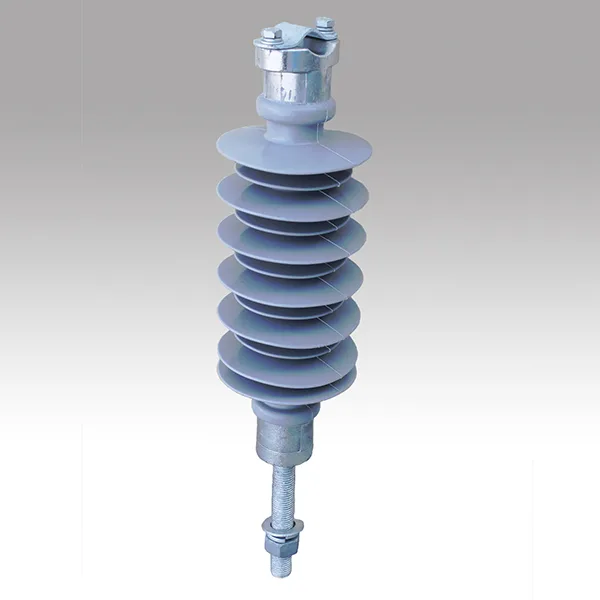
33kV Silicone Pot Insulator
Silicone composite pot insulator for 33kV mounting positions
View details →Related Product Families
Questions About This Topic
Does silicone composite have a shorter life than porcelain
The housing is a polymer and does age, but modern silicone housings are specified for distribution service life. The practical question is which failure mode dominates on your network - surface pollution flashover or long-term material ageing.
Can I replace porcelain with composite one unit at a time
Yes, provided the mounting arrangement and the electrical class match. Many utilities replace failing positions with composite while leaving sound porcelain in place.
Match This Guidance to Your Line
Send the position details, the environment and the part you are replacing.