

Drop Out Fuses and Surge Arresters on a Distribution Pole
What each device protects against and why a pole-mounted transformer normally needs both.
Two Different Faults Two Different Devices
A drop out fuse answers an overcurrent: a fault downstream draws current the circuit cannot sustain, the fuse element melts and the carrier drops open, isolating the fault and showing the crew from the ground which position operated. A surge arrester answers an overvoltage: a lightning strike or a switching transient arrives, the arrester conducts it to earth for the duration of the surge and then returns to its non-conducting state. Neither device does the other's job.
Why a Pole Mounted Transformer Needs Both
The transformer is the expensive item on the pole and it is vulnerable from both directions. Without a fuse, a downstream fault feeds through the transformer until something upstream clears it. Without an arrester, a surge on the line reaches the transformer winding insulation directly. A combi unit exists because the two functions are wanted at the same position often enough to be worth combining.
Where the Arrester Should Sit
As close to the equipment it protects as the arrangement allows, with the shortest practical earth lead. The protective margin is set by the arrester residual voltage plus the inductive drop along the connecting leads - a long earth lead quietly reduces the protection the arrester provides.
Fuse Links Are Not Interchangeable
The link must match both the base it goes into and the rating the protection study assigned to that position. Bases and links drifting apart across years of separate purchasing is a common way networks end up with the wrong element in the carrier. Ordering the base and its links from the same source and against the same order reference is the simple defence.
Silicone Housing on Protection Equipment
The reasoning is the same as for insulators: a hydrophobic housing on a drop out fuse or arrester keeps the external surface from becoming a leakage path in wet polluted air, and the lighter unit is easier to mount at the pole top. On coastal and industrial feeders the protection equipment is exposed to exactly the same environment as the insulation.
Commissioning Checks Worth Doing
Verify the link rating against the protection study rather than against what was in the truck. Check the earth lead is short and direct. Confirm the carrier drops clear without fouling the structure. Record what was installed at each position so the replacement link ordered in three years still matches.
Products Referenced in This Guide
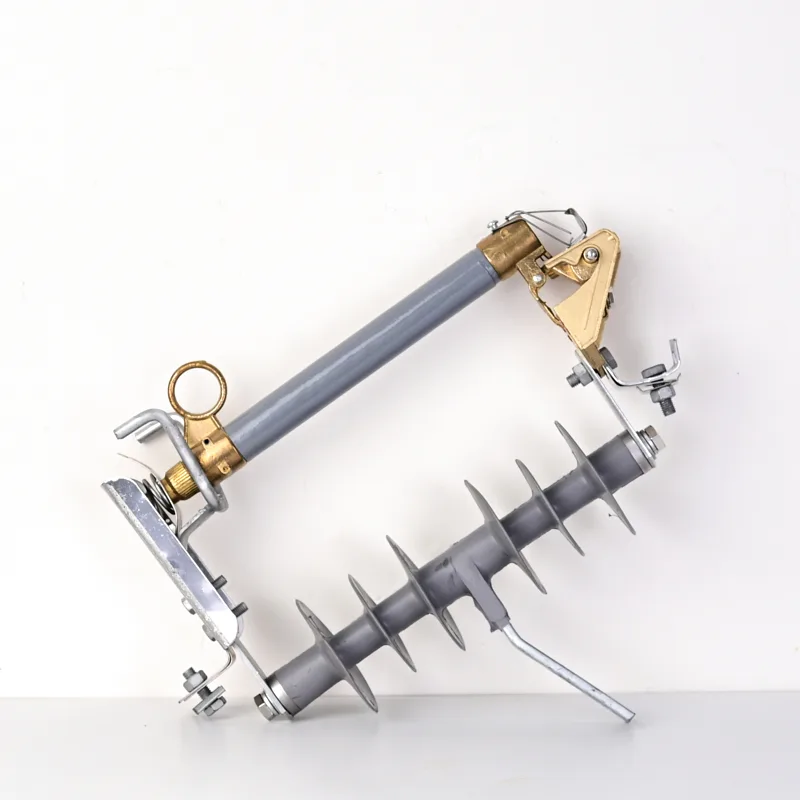
11kV Silicone Drop Out Fuse
Pole mounted 11kV drop out fuse with a silicone composite housing
View details →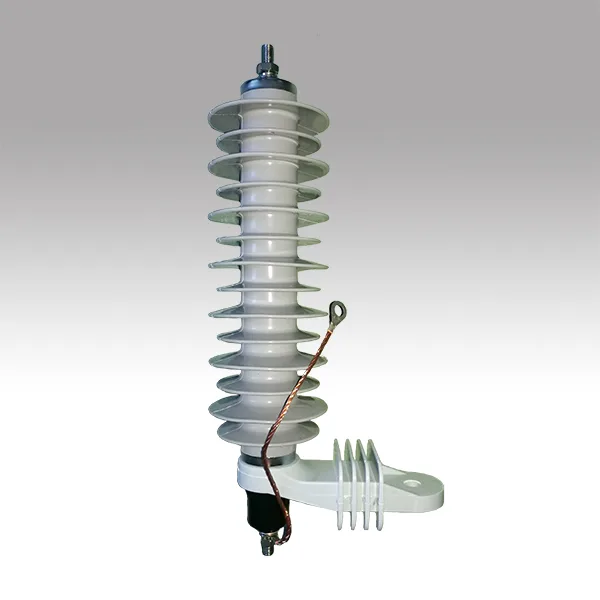
33kV Silicone Surge Arrester
Pole mounted 33kV surge arrester with a silicone composite housing
View details →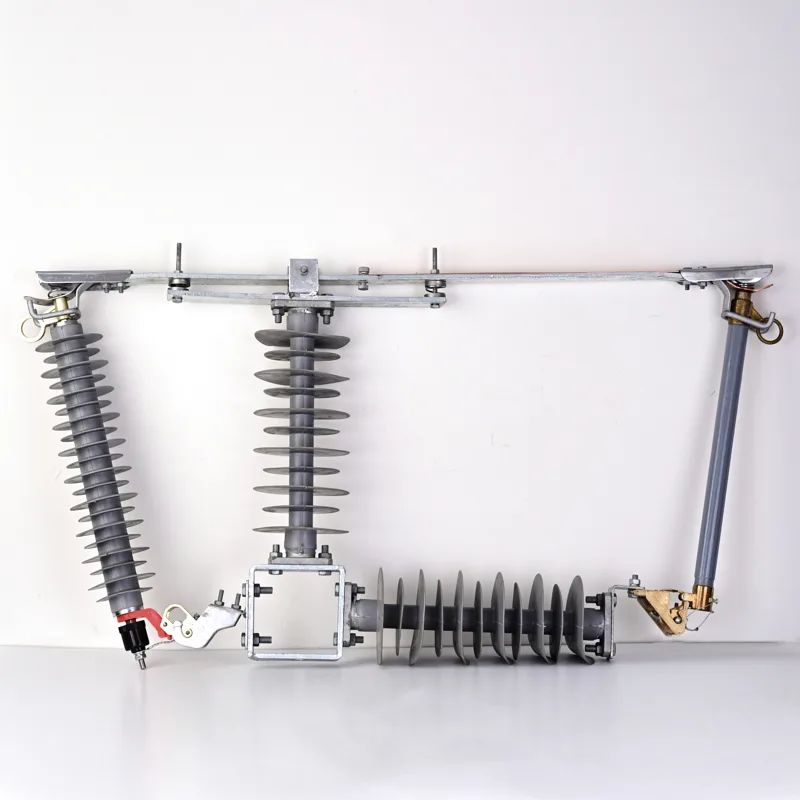
33kV Silicone Combi Unit
Combined 33kV drop out fuse and surge arrester in one pole top unit
View details →
Questions About This Topic
Can a surge arrester replace a fuse
No. They respond to different faults - overvoltage and overcurrent - and a position that needs both protections needs both devices, or a combi unit that carries both.
What rating of fuse link should I order
The rating comes from your protection study for that position. Send the rating and the base type with the enquiry so the link matches both.
Match This Guidance to Your Line
Send the position details, the environment and the part you are replacing.