
Application
Low Pressure Molding
Low pressure molding is a molding process using hot melt adhesives. It achieves superior sealing and better protection of electrical and electronic components with higher productivity.
Highlighted Features
- Encapsulates fragile and delicate components
- No damage to components
- No chemical reaction
- Simple and clean process
- Fast cycle times of 8 to 50 seconds
- Flexible and miniaturised product design
Low Pressure Molding For Automotive Electronics
Low pressure molding can be applied to a wide range of automotive electronic systems and devices, such as tyre pressure monitoring systems (TPMS), PCBs for seat occupant sensors, belt lock sensors, ECUs for motorcycles, air quality sensors, antennas for RF devices and smart entry (E-Key) systems.
Main Application Groups
Electronic component encapsulation - it is the low pressure applied during the molding process that prevents damage to the sensitive electronic components and elements.
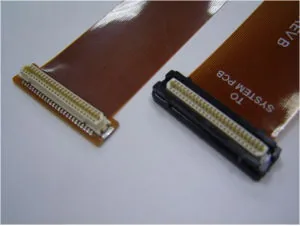
Connector potting - hot melts are used for sealing the plug and also for cable strain relief.
Grommet injection molded in place - this removes the time consuming step of slipping the grommet on, and the molding can also include strain relief.
Material Range For This Application
Thermoplastic Polyamide (PA)
United PA adhesives are designed for the highest bonding strength requirement. With an easy process and a wide application range, PA embodies an outstanding economy principle of cost.
Polyolefin
Polyolefin is a thermoplastic hot melt adhesive with superior adhesion to PP, PE and PET. It has low hardness, low temperature flexibility and a wide service temperature range, and is used in low pressure molding.
Products For Low Pressure Molding
Low Pressure Molding - FAQ
Which resin do you supply for low pressure molding?
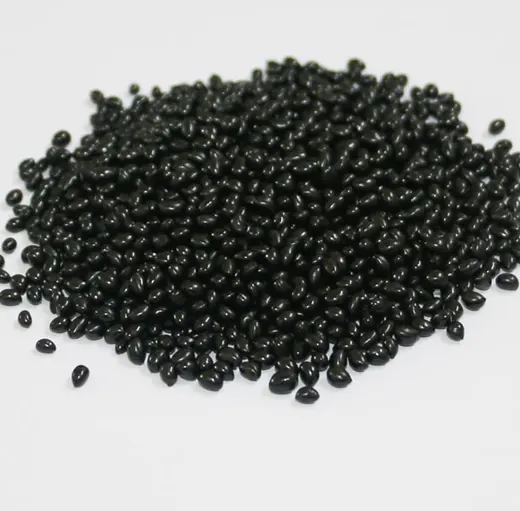
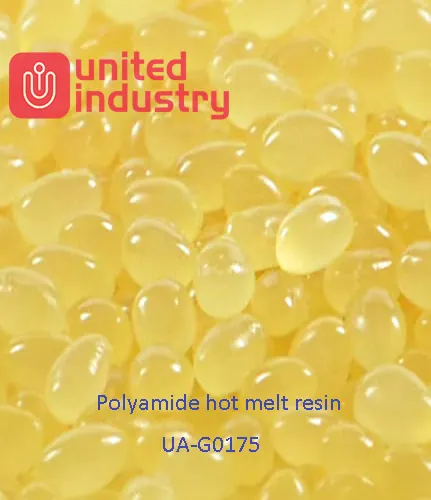
Amber and black polyamide resin and polyolefin resin. UA-G182C is the black polyamide grade designed for low pressure injection molding, and UA-G0175 is a polyamide grade used for LPM and filters.
What is the difference between amber and black polyamide resin?
Both are thermoplastic hot melt adhesives based on natural fatty acids and the performance is the same, so the choice is about the colour of the finished molding.
Will the process damage the electronics inside?
No. It is the low pressure applied during molding that prevents damage to sensitive components, and the process is not chemically reactive.
What does the molding protect against?
Moisture, dust, dirt and vibration.
Talk To Us About Low Pressure Molding
Tell us the substrate, the process temperature and the form you can dose.