Start With A Clear Reference, Not A Long Specification
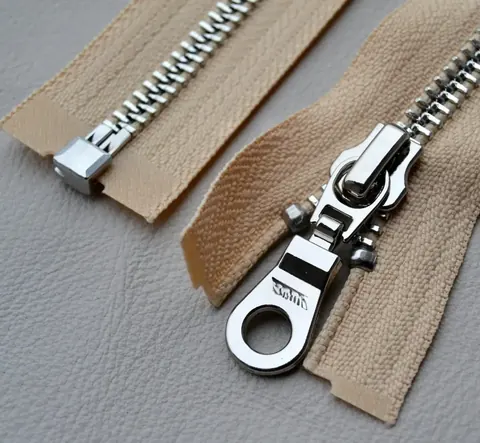
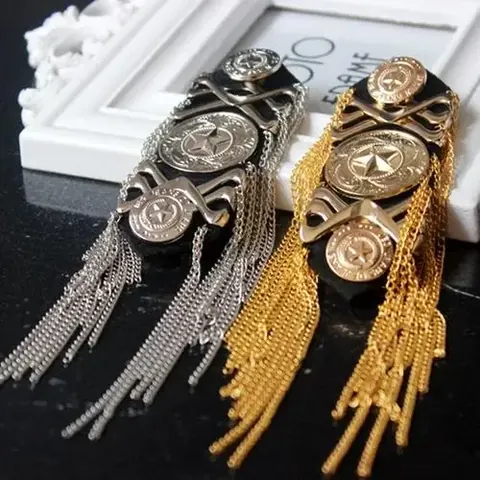
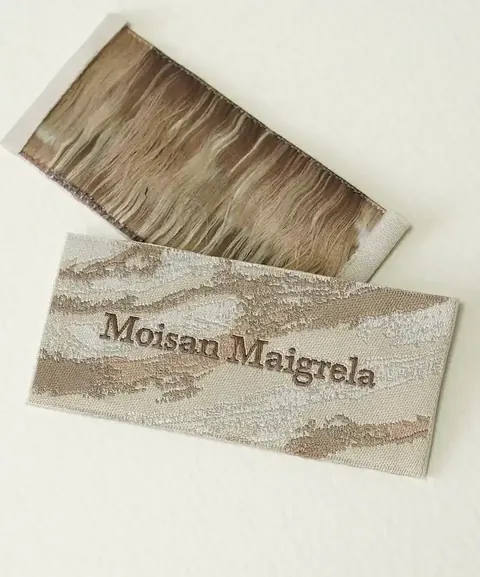
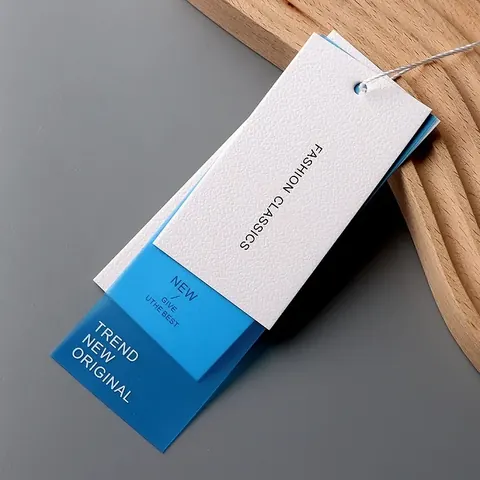
Suppliers work far better from a photograph, a sketch or a physical sample than from a written description. If you have the item you want to match, post it. Two weeks of email describing a shoulder profile or a plating tone achieves less than one parcel.
Sample Before Bulk, Every Time
Most accessory products can be sampled before the bulk order runs. Use it. The sample is where you find that the plating marks a white shirt, that the barcode will not scan, or that the cord colour is not quite the bag colour. All of those are cheap to fix at sample stage and expensive afterwards.
How The Order Sequence Normally Runs
Requirements and quotation are confirmed first. A formal invoice is then issued for you to check. The bulk order goes into the production line after payment is received. Understanding that production starts after payment rather than after the order is placed avoids most timeline misunderstandings.
Ask About Lead Time Honestly
A quoted lead time that does not account for the current production line is just a number. Ask what the line situation is when you place the order and confirm the date then. A supplier who tells you the real position is worth more than one who tells you what you want to hear.
Check The Goods Before They Ship
Photographs and video of the finished goods before dispatch let you catch problems while they can still be corrected. Ask for them, look at them properly, and compare them against your approved sample rather than against your memory of it.
Sort Out Shipping Early
If you have a forwarder in China, give the supplier their details at the start so collection is arranged in advance. If you do not, say so early and ask for help finding one. Leaving this until the goods are packed is the most common cause of finished stock sitting in a warehouse.