
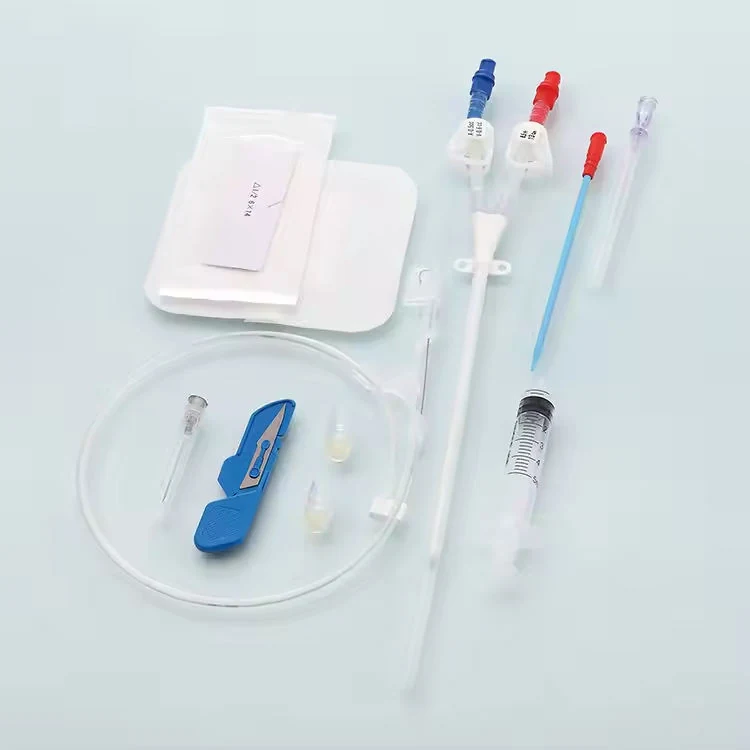
Hemodialysis Catheters Temporary and Long Term
Hemodialysis catheters are the vascular access devices used to draw blood out of the body for purification and return it. The range covers two types: temporary catheters, usually soft double-lumen designs with separate...
Product overview
What This Product Is And Who It Is For
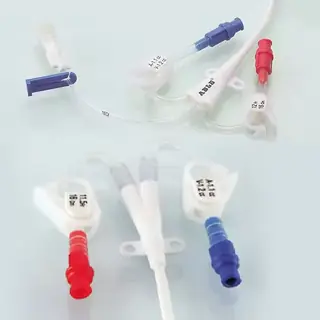
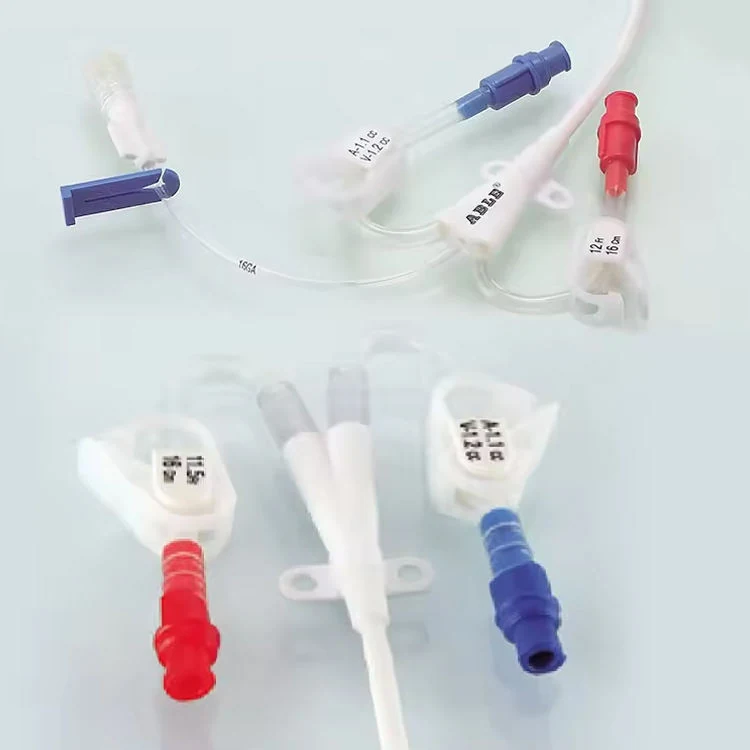
Hemodialysis catheters are the vascular access devices used to draw blood out of the body for purification and return it. The range covers two types: temporary catheters, usually soft double-lumen designs with separate arterial and venous lumens at the tip, inserted commonly in the internal jugular or femoral vein for acute kidney injury, poisoning and other emergency dialysis needs; and long-term catheters, tunneled with a Dacron cuff, for patients whose permanent access is not yet ready or not achievable. Catheter selection depends on the patient condition, vascular condition and dialysis need.
Problems It Solves
- Emergency dialysis cannot wait for a fistula to mature, which temporary catheters address
- Temporary catheters are not suitable for months of use, which the tunneled cuffed design covers
- Single-lumen access forces slow or interrupted dialysis, so lumens are separate arterial and venous
- Rigid catheters damage the vessel wall during dwell, so temporary catheters use soft material
Who It Is For
- Hospital renal and dialysis units
- Dialysis centre procurement
- Medical consumable importers and distributors
- Government and institutional tender buyers
- Private dialysis chains
Key benefits
Why Buyers Choose It
- Two catheter types from one supplier cover acute emergency dialysis and long-term maintenance access
- Double-lumen design with separate arterial and venous tips keeps recirculation low during a session
- Soft catheter material reduces vessel wall trauma during dwell
- Tunneled Dacron cuff supports tissue ingrowth on long-term catheters, which anchors the line and limits infection tracking
- Both internal jugular and femoral insertion sites are supported by the temporary range
Application scenarios
Where It Is Used
Scenarios
- Emergency dialysis for acute kidney injury
- Dialysis after poisoning requiring urgent blood purification
- Bridging access while a fistula matures
- Long-term maintenance dialysis where permanent access is not achievable
- Hospital renal unit and dialysis centre stock programmes
Technical features
How It Is Built
- Temporary catheters in double-lumen soft material with separate arterial and venous lumens at the tip
- Long-term tunneled catheters with a Dacron cuff
- Insertion sites commonly the internal jugular vein or femoral vein
- Selected by patient condition, vascular condition and dialysis need
Specifications
Technical Data
| Product Type | Hemodialysis catheter |
|---|---|
| Types | Temporary catheter and long-term tunneled catheter |
| Temporary Catheter Construction | Double lumen, soft material, separate arterial and venous lumens at the tip |
| Long-Term Catheter Construction | Tunneled with Dacron cuff |
| Insertion Sites | Commonly internal jugular vein or femoral vein |
| Temporary Catheter Indications | Acute kidney injury, poisoning, emergency dialysis, bridging access |
Materials
- Soft catheter polymer
- Dacron cuff on tunneled types
Manufacturing Process
- Extrusion
- Tip forming
- Assembly
- Sterilisation and packing
Quality and compliance
Quality Control And Certification
Quality Control
- Lumen patency is tested on sampled catheters
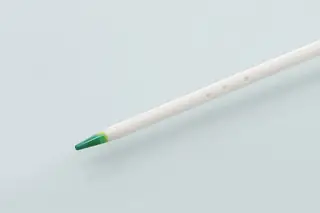
- Tip geometry is inspected against the specification
- Cuff attachment is checked on tunneled catheters
- Sterile barrier packaging is verified before carton packing
- Batch and sterilisation records are held per lot
Customisation and comparison
Options And Alternatives
Customisation Options
- Catheter type, French size and length selection
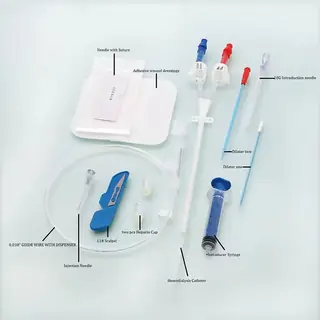
- Kit contents including guidewire and dilator
- Sterile pack format
- Label and instruction language
- Export carton marks and palletising
Compared With Other Options
- Arteriovenous fistula
- A catheter gives immediate access where a fistula needs weeks to mature
- Temporary versus long-term catheters
- Temporary catheters suit acute and bridging use, while tunneled cuffed catheters are built for extended maintenance dialysis
- Single lumen access
- Separate arterial and venous lumens allow continuous dialysis flow with low recirculation
Use guide
How To Use It Correctly
Step
Select the catheter type after assessing the patient condition, vascular condition and dialysis need
Step
Insert under the unit sterile protocol using imaging guidance where indicated
Step
Confirm lumen position and flow before the first dialysis session
Step
Follow the unit lock and dressing protocol between sessions
Step
Monitor the exit site for infection at every session
Related products
Other Products In Medical Consumables
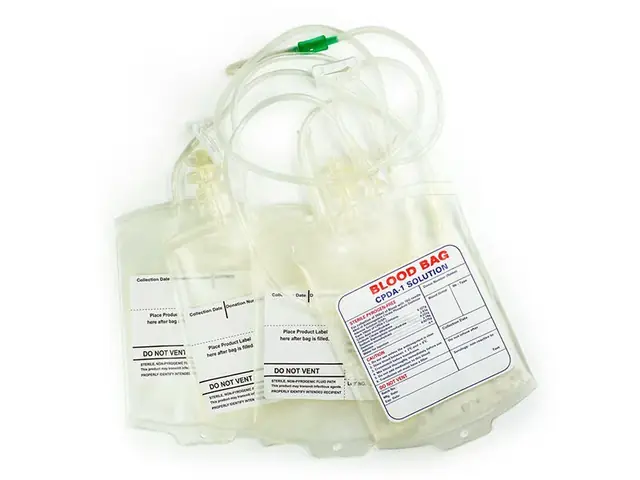
Blood Collection Bag Sets With CPD Preservation Solution
Blood collection bag sets are medical plastic containers used to collect, store and process blood and blood components,...
View product →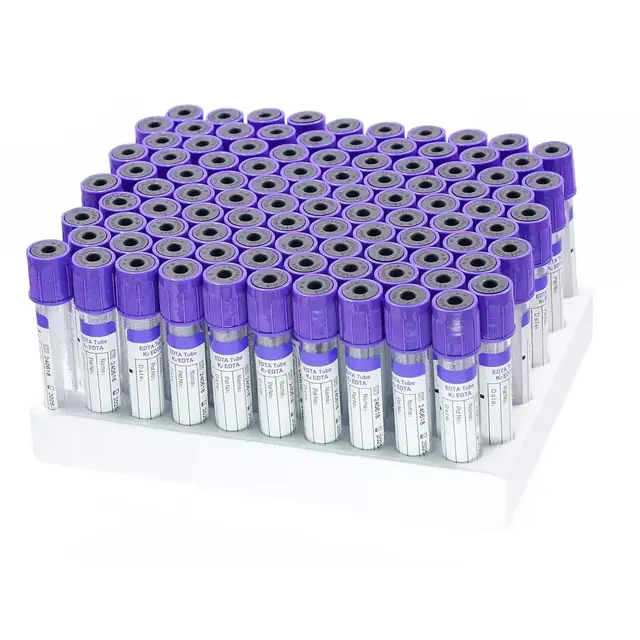
Vacuum Blood Collection Tubes With Colour Coded Additives
Blood collection tubes used to collect, preserve and transport blood samples, made from glass or plastic with pre-added...
View product →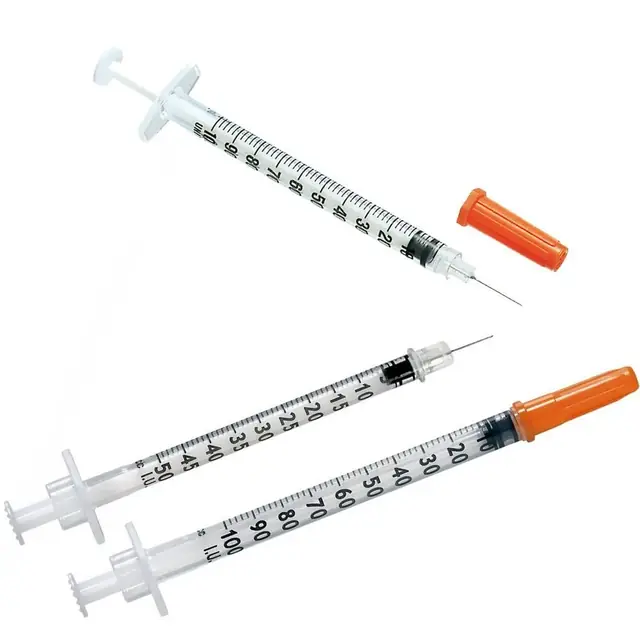
Insulin Syringes and Pen Needles From 4mm to 70mm
Insulin delivery devices for subcutaneous injection, supplied across three types: traditional insulin syringes with...
View product →
Lightweight Folding Manual Wheelchair
A folding manual wheelchair for patients with limited mobility and for carers moving patients between wards, vehicles...
View product →Related reading
Industries Solutions And Guides
Hospitals and Clinics
Hospital and clinic buyers work against tender deadlines, infection control rules and a budget split across...
Medical Distributors and Importers
A distributor is judged on whether the goods clear customs, whether the listing passes marketplace review,...
Hospital Department Outfitting
Equipping a ward, a theatre or an outpatient department means buying furniture, equipment and consumables...
Distributor and Private Label Sourcing
Building an own-brand medical or personal care range fails in two places: the compliance file for the...
How to Import Medical Devices From China
Importing medical goods follows the same steps as any import, with two differences that decide whether the...
How to Find a Reliable Medical Device Factory
A reliable factory delivers quality goods on time at a competitive price. Checking that before you order...
When a China Sourcing Agency Is Worth Using
A sourcing agency sits between a foreign buyer and Chinese manufacturers, bridging language and process gaps....
FAQ
Hemodialysis Catheters Temporary and Long Term FAQ
What is the difference between temporary and long-term catheters
Temporary catheters are double-lumen soft catheters for acute and bridging dialysis. Long-term catheters are tunneled with a Dacron cuff for extended maintenance access.
Which insertion sites are used
Commonly the internal jugular vein or the femoral vein, depending on the patient and the clinical situation.
Which sizes are available
French size and length are selected with your order. Tell us the patient mix your unit treats and we will propose the range.
Are the catheters supplied as a kit
Kit contents including guidewire and dilator are configured with your order.
Are they supplied sterile
Catheters are supplied in sterile barrier packaging with batch and sterilisation records held per lot.
Can packaging carry our labelling
Yes. Label content, instruction language and carton artwork can be produced under your brand.
Request A Quote For This Product
Send your quantity, destination market and any labelling requirement. We confirm stock, lead time and the documentation that travels with the goods.