
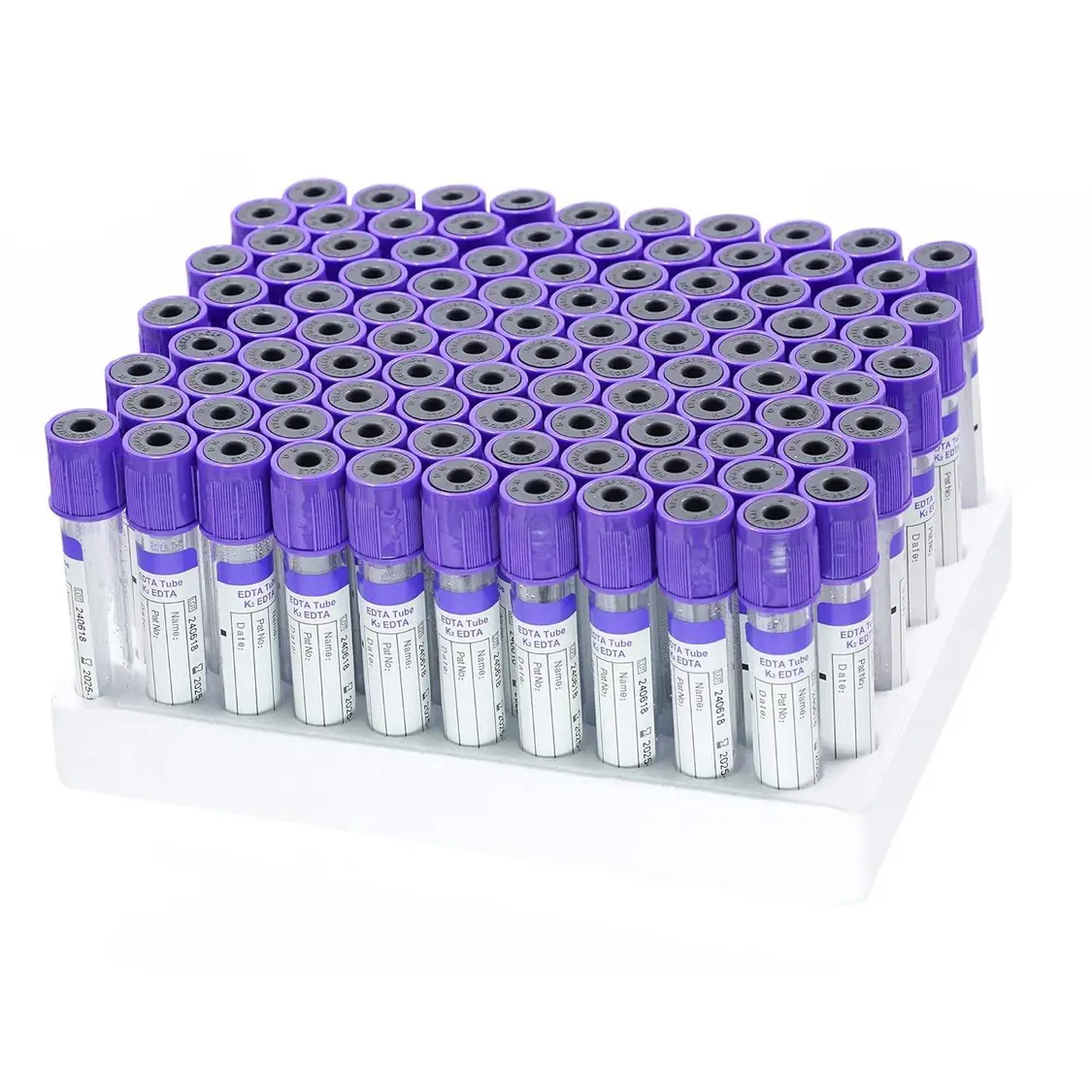
Vacuum Blood Collection Tubes With Colour Coded Additives
Blood collection tubes used to collect, preserve and transport blood samples, made from glass or plastic with pre-added additives that keep blood components stable. Colour coding identifies the additive and the intended...
Product overview
What This Product Is And Who It Is For
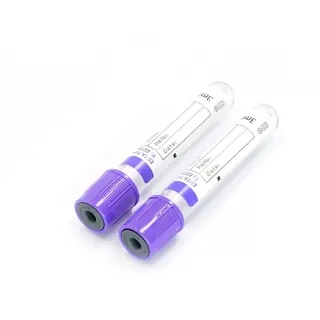
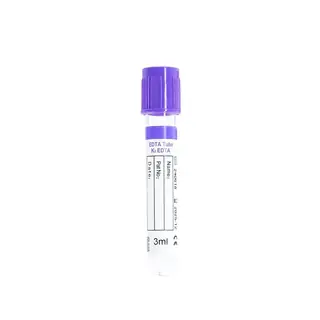
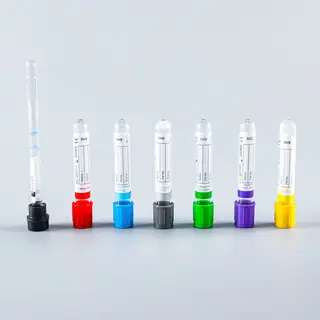
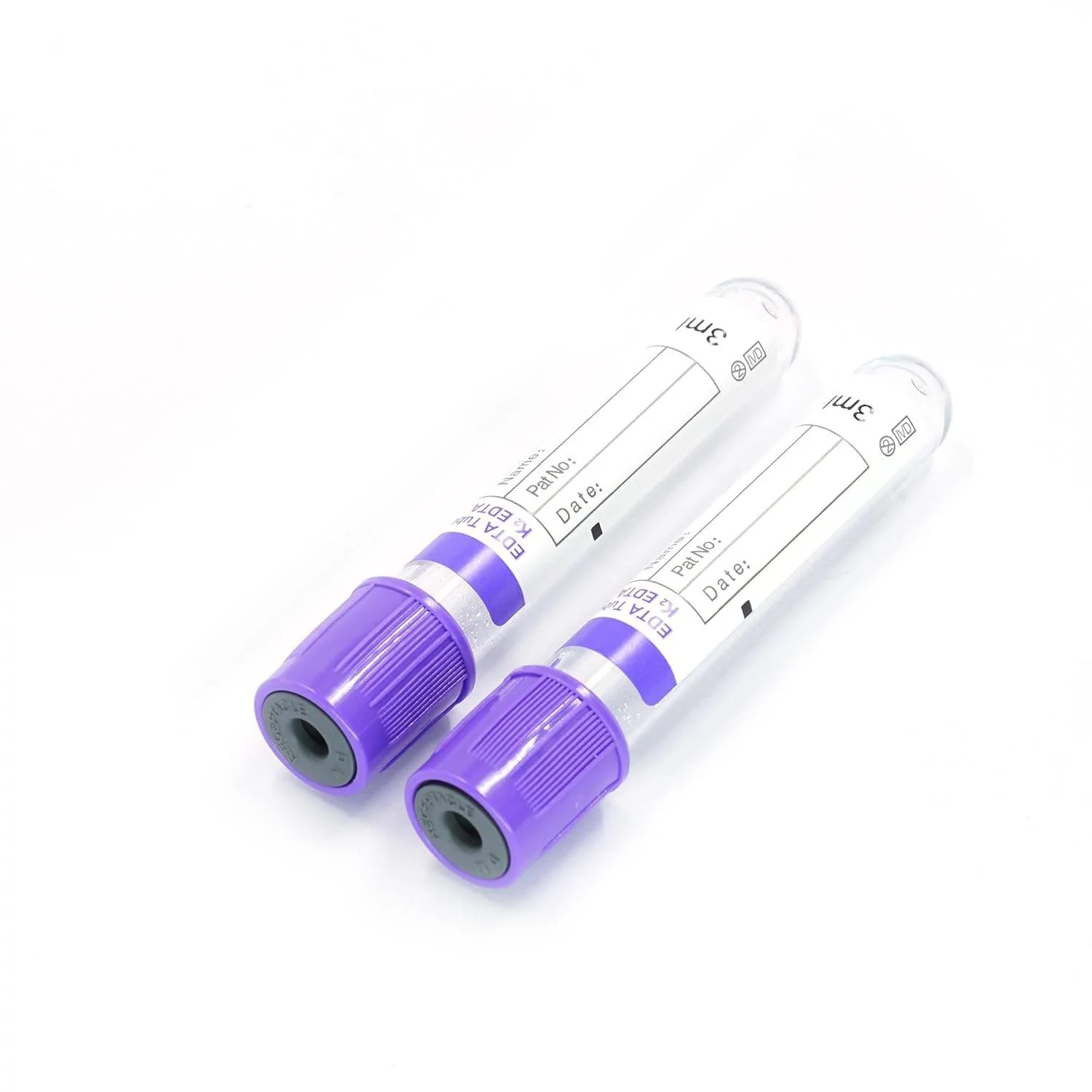
Blood collection tubes used to collect, preserve and transport blood samples, made from glass or plastic with pre-added additives that keep blood components stable. Colour coding identifies the additive and the intended test: purple tubes with EDTA anticoagulant for complete blood count and blood typing, green tubes with heparin for biochemical and immunological tests, blue tubes with sodium citrate for coagulation function tests, grey tubes with sodium fluoride and potassium oxalate for blood glucose and lactate, and red tubes without additive for serum work.
Problems It Solves
- Wrong additive for a test invalidates the result, which colour coding prevents at the draw
- Manually added anticoagulant is imprecise, so tubes are pre-dosed
- Serum contaminated by cells distorts biochemistry, which separation gel tubes address
- Mixed suppliers give inconsistent additive quality across a laboratory
- Glass breakage in transport is a risk in some workflows, so plastic tubes are available
Who It Is For
- Hospital and laboratory procurement departments
- Diagnostic laboratory chains
- Medical consumable importers and distributors
- Community health and screening buyers
- Private clinic groups
Key benefits
Why Buyers Choose It
- Colour coding prevents the wrong additive reaching the wrong test, which is a common pre-analytical error
- A full colour range from one supplier keeps additive quality consistent across a laboratory
- Glass and plastic options let a laboratory match cost and breakage risk to its workflow
- Separation gel tubes shorten processing by holding the clot away from the serum after centrifugation
- Pre-added additives remove manual dosing at the point of draw
Application scenarios
Where It Is Used
Scenarios
- Hospital laboratory blood sampling
- Outpatient phlebotomy rooms
- Community screening and health check programmes
- Occupational health and insurance medicals
- Laboratory distributor stock programmes
Technical features
How It Is Built
- Glass or plastic tube construction
- Pre-added additives including anticoagulants, coagulants and separation gels
- Colour coded caps identifying additive and intended use
- Purple EDTA tubes for complete blood count and blood typing
- Green heparin tubes for biochemical and immunological tests
- Blue sodium citrate tubes for coagulation function tests
- Grey sodium fluoride and potassium oxalate tubes for glucose and lactate
- Red plain tubes for serum work
Specifications
Technical Data
| Product Type | Blood collection tube |
|---|---|
| Materials | Glass or plastic |
| Additives | Anticoagulants, coagulants, separation gels |
| Purple Tube | EDTA anticoagulant, complete blood count and blood typing |
| Green Tube | Heparin anticoagulant, biochemical and immunological tests |
| Blue Tube | Sodium citrate, coagulation function tests |
| Grey Tube | Sodium fluoride and potassium oxalate, glucose and lactate |
| Red Tube | No additive, serum tests |
Materials
- Glass or PET tube body
- Rubber and plastic cap assembly
- Additive and separation gel
Manufacturing Process
- Tube forming
- Additive dosing
- Vacuum drawing
- Capping and packing
Quality and compliance
Quality Control And Certification
Quality Control
- Draw volume is verified against the tube specification
- Additive dosing is checked per batch
- Cap seal and vacuum retention are tested
- Colour coding is verified against the additive at packing
- Batch and expiry data are printed on each carton
Customisation and comparison
Options And Alternatives
Customisation Options
- Tube size, material and additive mix per carton
- Label artwork and barcode format
- Rack and carton packing configuration
- Label language
- Export carton marks and palletising
Compared With Other Options
- Syringe and manual transfer
- Vacuum tubes with pre-dosed additive remove the manual transfer and dosing steps
- Glass versus plastic tubes
- Plastic reduces breakage risk in transport, while glass suits workflows that require it
- Plain tubes without separation gel
- Gel tubes hold the clot away from the serum after centrifugation, which shortens processing
Use guide
How To Use It Correctly
Step
Select the tube colour that matches the requested test
Step
Draw to the indicated fill line so the additive to blood ratio is correct
Step
Invert the tube gently the number of times stated for that additive
Step
Label the tube at the patient side before transport
Step
Store and transport according to the additive requirement and the laboratory protocol
Related products
Other Products In Medical Consumables
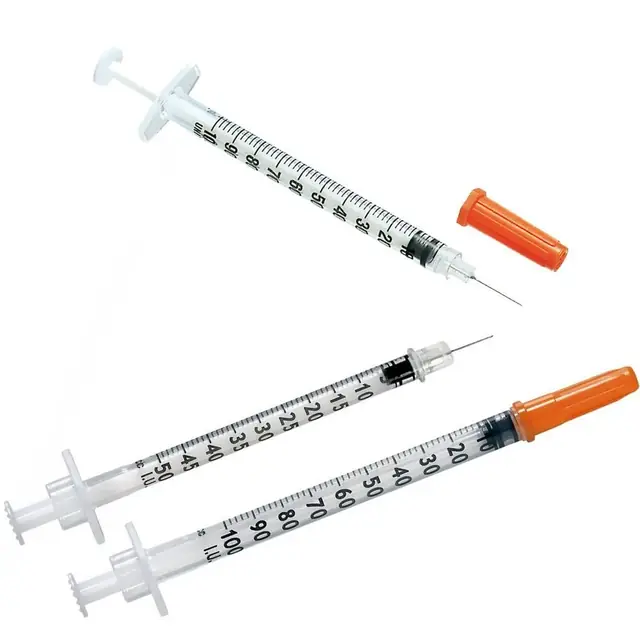
Insulin Syringes and Pen Needles From 4mm to 70mm
Insulin delivery devices for subcutaneous injection, supplied across three types: traditional insulin syringes with...
View product →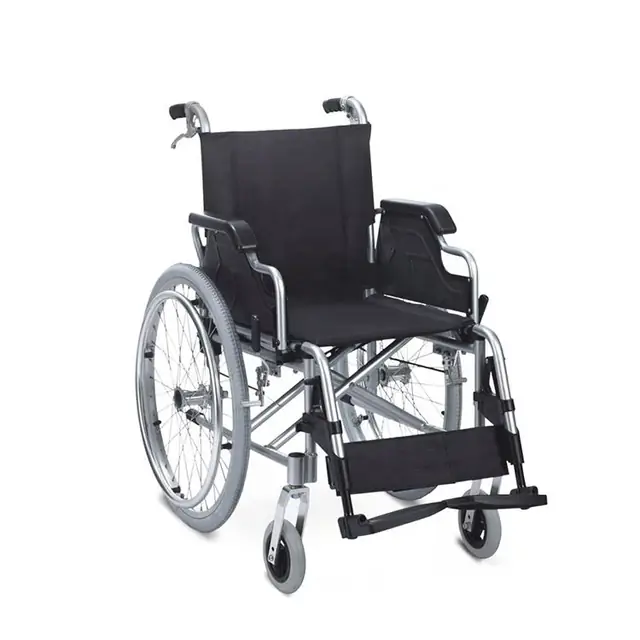
Lightweight Folding Manual Wheelchair
A folding manual wheelchair for patients with limited mobility and for carers moving patients between wards, vehicles...
View product →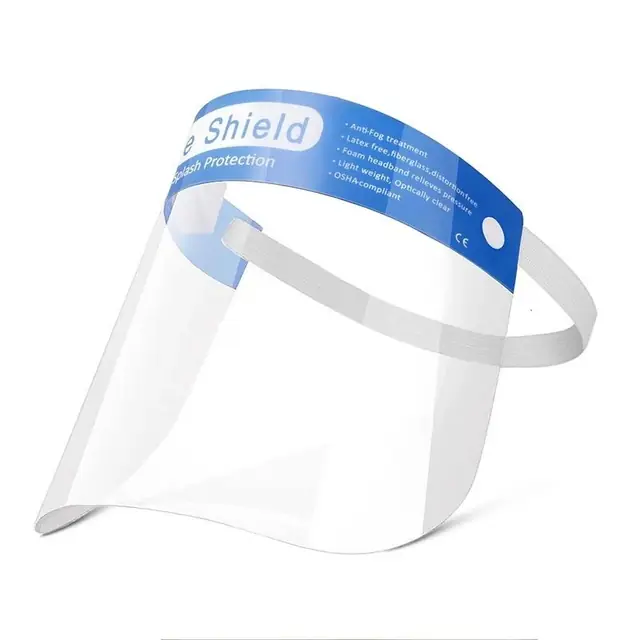
Disposable Medical Face Mask to EN 14683 Type IIR
A disposable medical face mask produced to EN 14683:2019 Type IIR and ASTM F2100 Level 2, with a filtration rate of...
View product →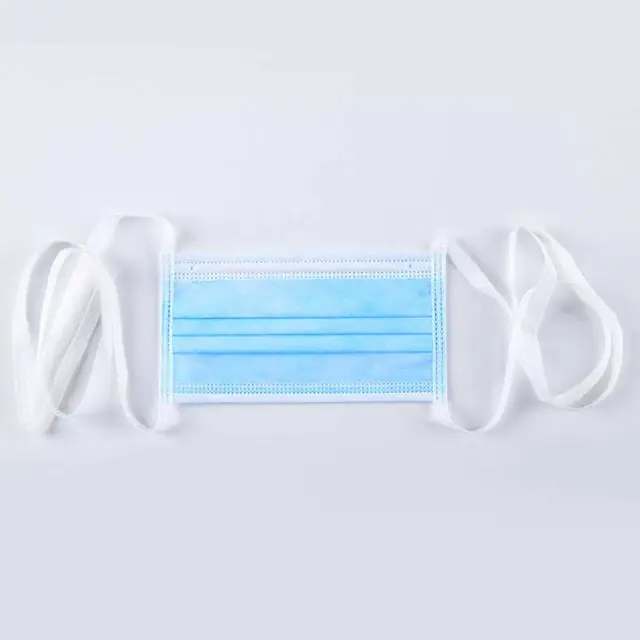
Disposable Medical Masks for Clinical and Industrial Use
A Class I disposable medical mask to EN 14683 with CE marking, used across hospitals, clinics and industrial...
View product →Related reading
Industries Solutions And Guides
Hospitals and Clinics
Hospital and clinic buyers work against tender deadlines, infection control rules and a budget split across...
Medical Distributors and Importers
A distributor is judged on whether the goods clear customs, whether the listing passes marketplace review,...
Hospital Department Outfitting
Equipping a ward, a theatre or an outpatient department means buying furniture, equipment and consumables...
Distributor and Private Label Sourcing
Building an own-brand medical or personal care range fails in two places: the compliance file for the...
How to Import Medical Devices From China
Importing medical goods follows the same steps as any import, with two differences that decide whether the...
How to Find a Reliable Medical Device Factory
A reliable factory delivers quality goods on time at a competitive price. Checking that before you order...
When a China Sourcing Agency Is Worth Using
A sourcing agency sits between a foreign buyer and Chinese manufacturers, bridging language and process gaps....
FAQ
Vacuum Blood Collection Tubes With Colour Coded Additives FAQ
Which tube is used for a complete blood count
The purple EDTA tube, which is also used for blood typing.
Which tube is used for coagulation tests
The blue sodium citrate tube, which is specifically intended for coagulation function testing.
Are glass and plastic tubes both available
Yes. Both are supplied so a laboratory can match breakage risk and cost to its workflow.
Can we order a mixed carton of colours
Yes. Tube size, material and additive mix per carton are configured with your order.
Can labels carry our barcode format
Yes. Label artwork and barcode format can be produced to your laboratory information system requirement.
What is the minimum order quantity
Minimum quantity depends on the tube mix and labelling. Send your requirement on WhatsApp for a confirmed figure.
Request A Quote For This Product
Send your quantity, destination market and any labelling requirement. We confirm stock, lead time and the documentation that travels with the goods.