
Rehabilitation and Physiotherapy Centres
A rehabilitation centre buys equipment that has to survive continuous use by patients who are not careful with it, and that has to suit a range of impairment levels. The wrong specification sits in a corner unused, which is a more expensive mistake than the price difference between two models.
Pain points
What Goes Wrong In This Sector
Problems Buyers Report
- Equipment specified for one impairment level cannot be used by half the patient list
- Devices that need cleaning or setup between patients lose therapy time
- Rental and loan fleets wear out consumable parts faster than replacements can be sourced
- Home programmes stall because patients have no equipment between appointments
- Standing and gait equipment is bought without considering transfer and strap handling
What They Need Instead
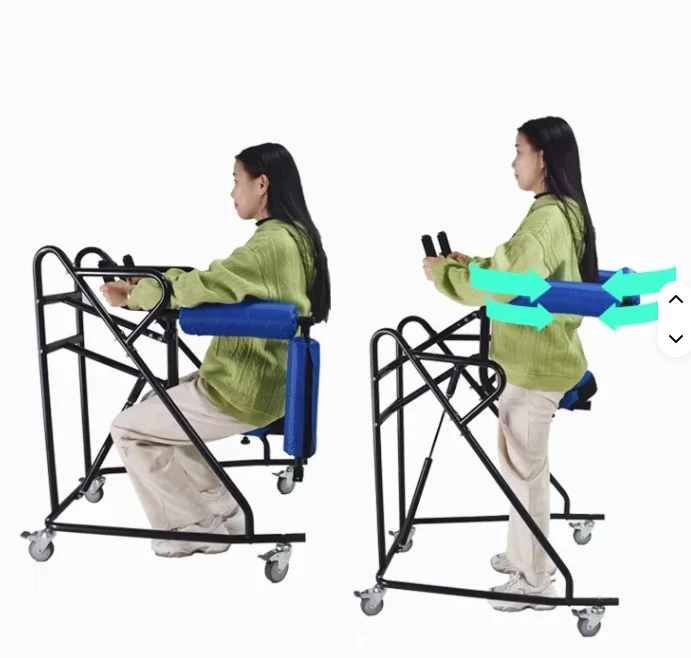
- Standing frames in forward-leaning upright and supine configurations
- Adjustable mobility aids that cover a user height and weight range from one model
- Spare parts such as crutch tips and electrode pads available with the original order
- Home-capable therapy devices patients can continue treatment with
- Equipment that one therapist can set up alone
Suitable ranges
Product Categories For Rehabilitation and Physiotherapy Centres
Rehabilitation Therapy Equipment
Mobility aids standing frames and therapy devices that move patients from bed rest back to daily function.
Open category →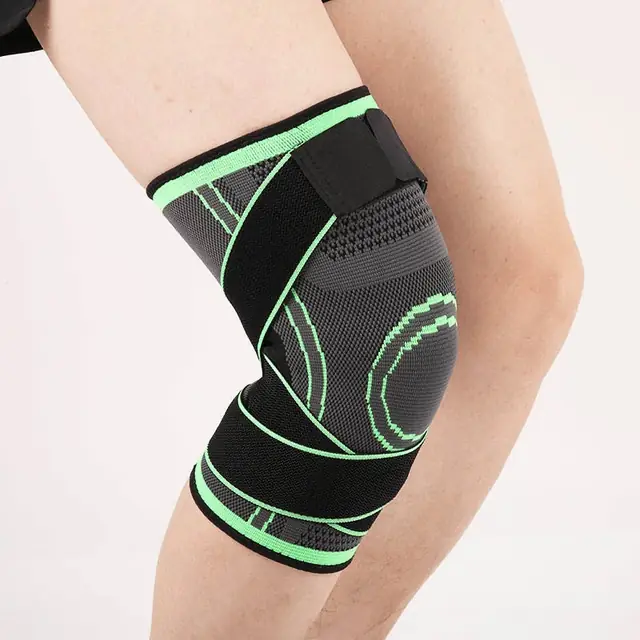
Physical Therapy and Rehabilitation
Compression supports braces and bandages that keep patients active during recovery rather than immobilising a joint.
Open category →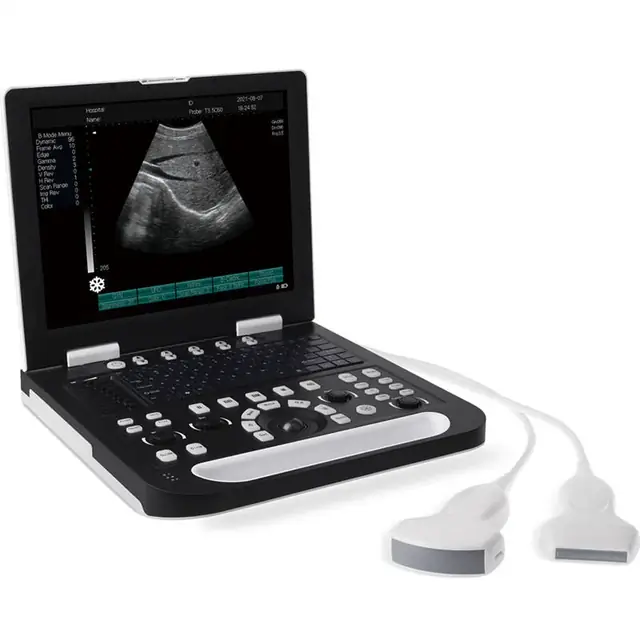
Medical Equipment
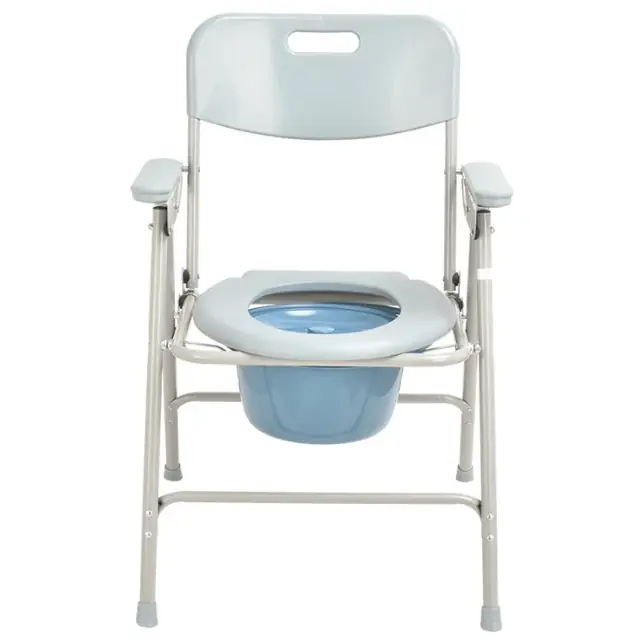
Diagnostic monitoring and treatment equipment for wards theatres and clinics, from handheld monitors to trolley-mounted systems.
Open category →Recommended products
Products This Sector Orders Most
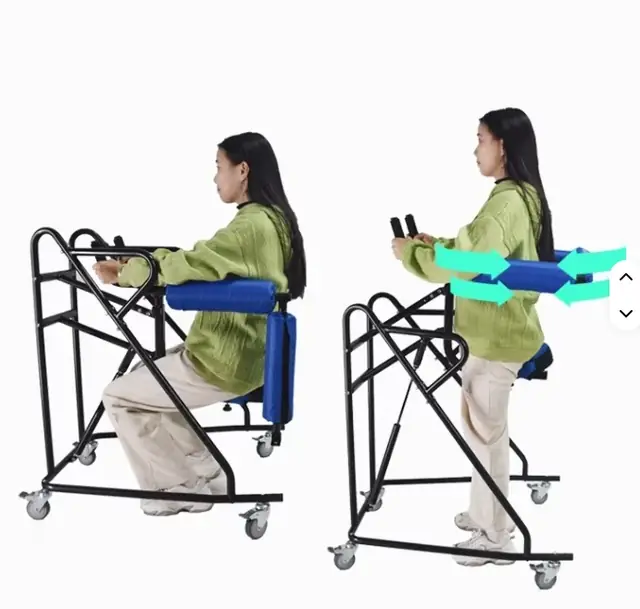
Standing and Gait Training Frame for Hemiplegia Rehabilitation
A rehabilitation standing and gait training frame that mechanically supports and maintains an upright position for...
View product →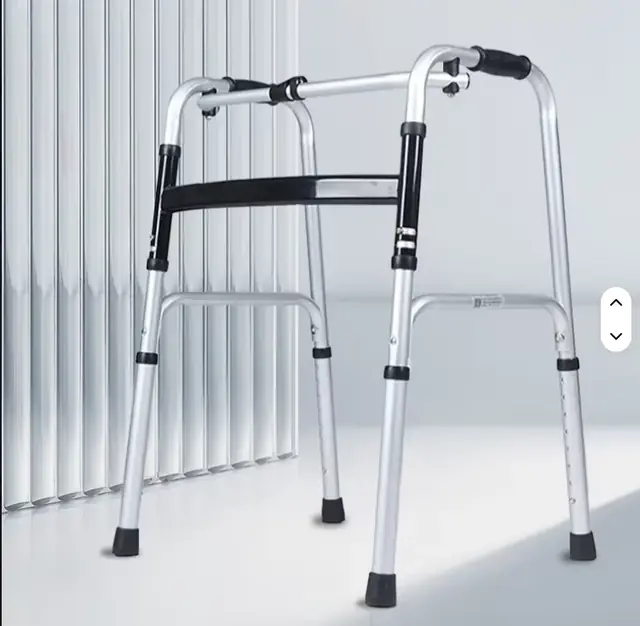
Foldable Aluminium Alloy Wheeled Walking Aid
A foldable aluminium alloy wheeled walking aid, also described as a lower limb orthosis, designed to support elderly...
View product →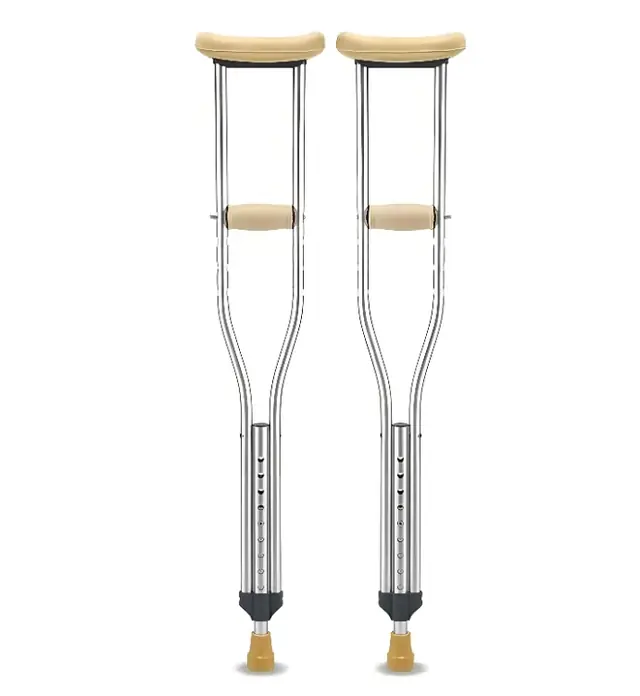
Aluminium Alloy Underarm Crutches With Height Adjustment
Lightweight underarm crutches formed from one-piece aviation aluminium alloy tubing for post-fracture rehabilitation,...
View product →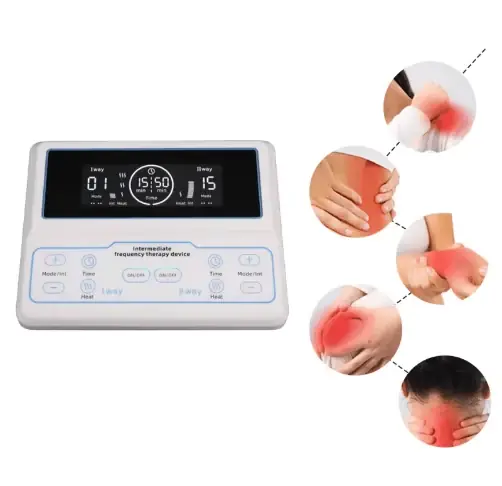
Intermediate Frequency Pulse Physiotherapy Device
A medium frequency pulse physiotherapy machine combining multi-mode electrotherapy with a hot compress function in one...
View product →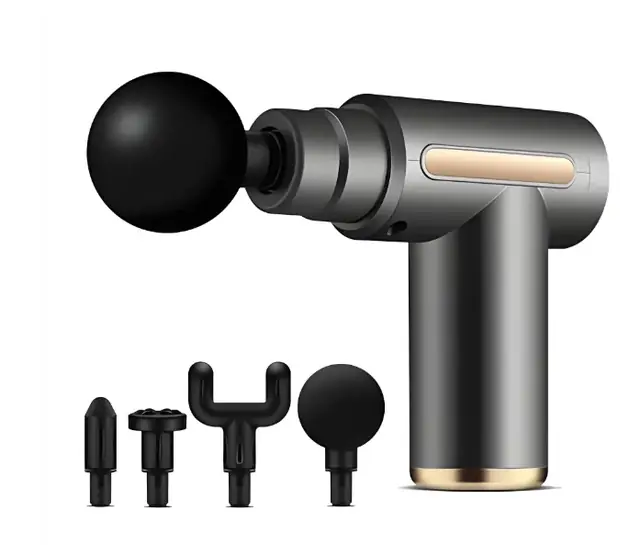
Medical Fascia Gun for Rehabilitation and Physiotherapy
A portable deep muscle stimulator produced to Class II medical device production standards and used in hospital...
View product →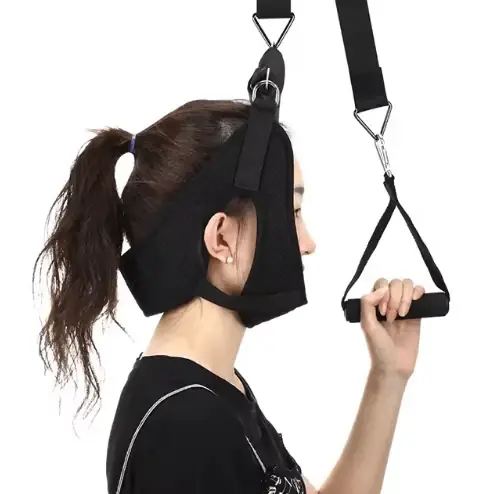
Over the Door Cervical Traction Device
An updated over-the-door cervical traction device that sets up in minutes on most doors from 0.55ft to 0.61ft thick,...
View product →How we work
From Requirement List To After Sales
Patient profile
You describe the impairment levels and age range your centre treats. That decides frame configuration and sizing before anything else.
Equipment selection
We propose the configurations that cover that profile, including where one adjustable model replaces two fixed ones.
Spare part planning
Consumable parts such as crutch tips, electrode pads and massage heads are quoted with the original order.
Shipment
Equipment ships folded or disassembled where possible to reduce the container volume.
Home programme supply
Home-capable devices can be supplied for resale so patients continue treatment between appointments.
Solutions
Related Solutions
Hospital Department Outfitting
Equipping a ward, a theatre or an outpatient department means buying furniture, equipment and consumables that arrive together,...
See the process →
Rehabilitation Centre Equipping
Rehabilitation equipment is bought once and used every day by patients who are unsteady, in pain, or too small for adult sizing....
See the process →
Distributor and Private Label Sourcing
Building an own-brand medical or personal care range fails in two places: the compliance file for the destination market, and the...
See the process →
Export Logistics and After Sales
Qingdao sits next to the largest container port in North China, which is why import and export procedures and sailing schedules...
See the process →
FAQ
Rehabilitation and Physiotherapy Centres Supply Questions
Which standing frame configuration should we order
Forward-leaning for extensor antigravity training at a 30 to 40 degree tilt, upright for patients who tolerate standing, and supine for children with greater impairment. Many centres order more than one.
Can we buy spare parts with the equipment
Yes. Crutch tips, electrode pads and massage heads are quoted with the original order, which matters most for rental and loan fleets.
Do you supply devices patients can use at home
Yes. Several therapy devices are supplied for both clinical and home use, which is how centres continue treatment between appointments.
Are paediatric sizes available
Yes. Standing frames and the cerebral palsy wheelchair can be specified in paediatric sizes.
Can we order under our own brand for resale
Yes. Housing colour, packaging artwork and manual language can be produced to your specification on the home therapy range.
Send Your Requirement List
Tell us the departments, quantities and delivery window. We confirm stock, lead time, documentation and the loading plan before you commit.