
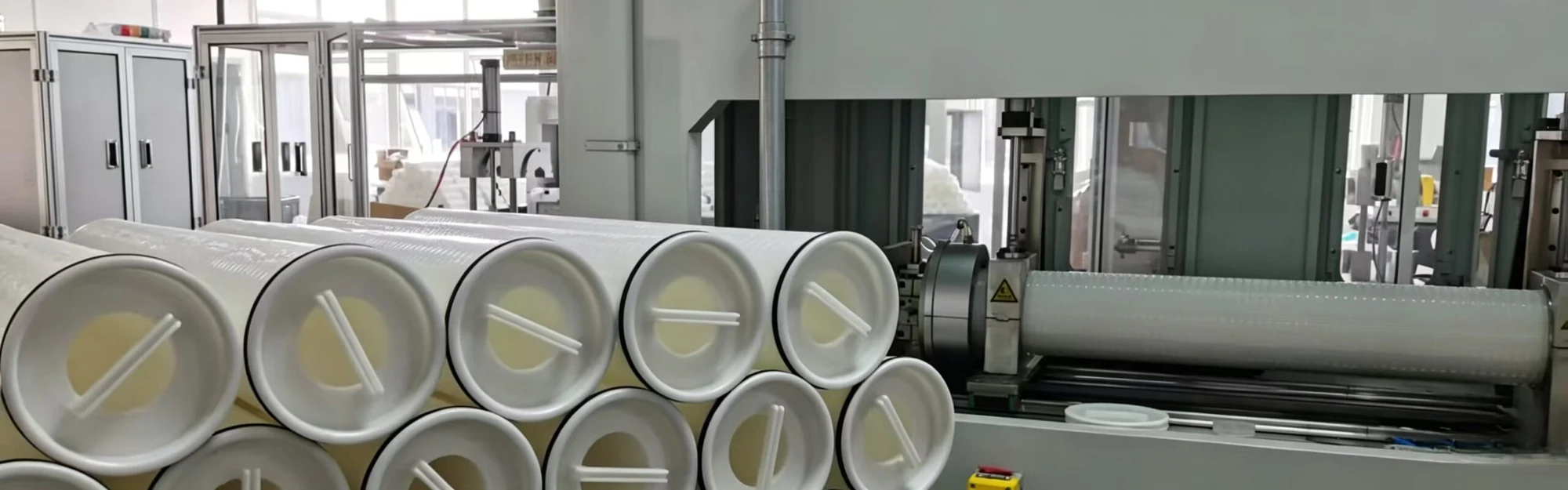
The Membranes Are The Expensive Part
Prefiltration in front of an RO train exists to protect something that costs far more than the cartridges do. When it is specified too fine the differential pressure climbs and the run ends early. When it is specified too coarse the membranes foul and the plant pays for an unplanned clean. Getting it right is a staging question as much as a micron question.
Building The Prefiltration Train
Characterise The Feed
Problem: A single turbidity figure hides the particle spread that actually loads the element.
We ask what the feed is, how it varies through the year and what the membrane supplier requires upstream, before suggesting a rating.
Stage Coarse Before Fine
Problem: One fine element on a dirty feed loads in days and the labour bill dominates the cartridge bill.
A depth cartridge or bag ahead of the pleated element takes the bulk load so the fine stage lasts long enough to be worth its price.
Size For Footprint
Problem: Adding flow means adding vessels, and the filter house is already full.
Large diameter high flow elements carry the same duty through fewer cartridges, which is often the only way to raise flow without a new vessel.
Set The Change-Out Trigger
Problem: Elements get changed on a calendar rather than on condition, so money is wasted at both ends.
We give you the recommended change-out differential for the series and you log clean differential pressure from day one.
Hold The Configuration
Problem: The next purchase order quietly substitutes a different element and the run length changes.
The order code and its behaviour on your feed stay on the account so reorders repeat the trial rather than restart it.
What Changes On The Line
- Prefiltration sized against the membrane supplier's requirement rather than a habit
- Coarse and fine stages that share the load instead of one stage doing all of it
- Change-out driven by differential pressure rather than the calendar
- Flow increases handled inside the existing filter house where possible
Cartridges And Housings In This Solution
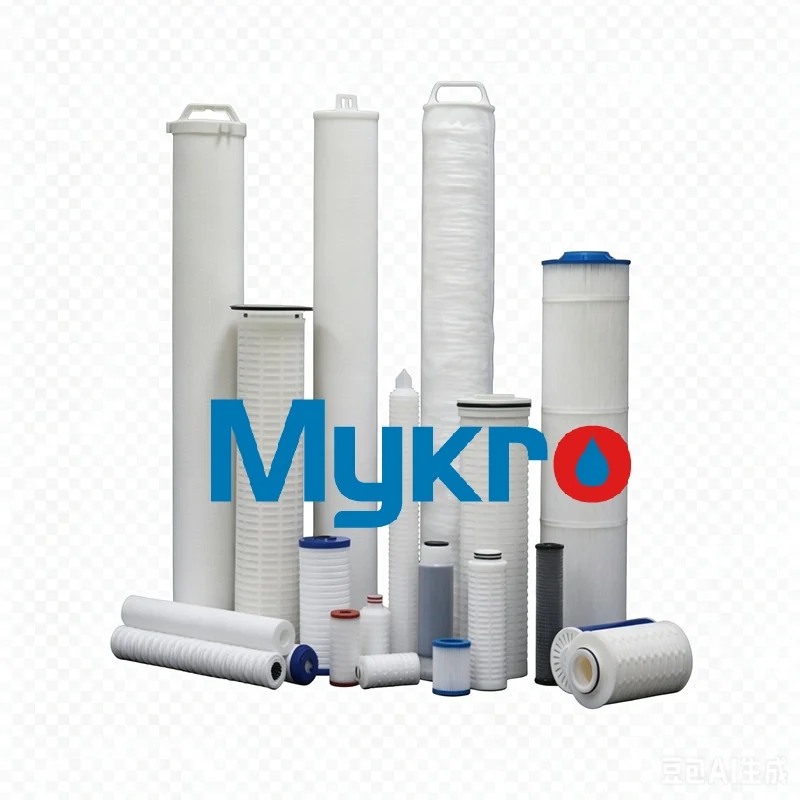
HFMV Series High Flow Filter Cartridges
HFMV is a 6.5 inch large diameter high flow cartridge with a vertically pleated polypropylene pack, an inner core and an injection moulded outer cage.
View Specifications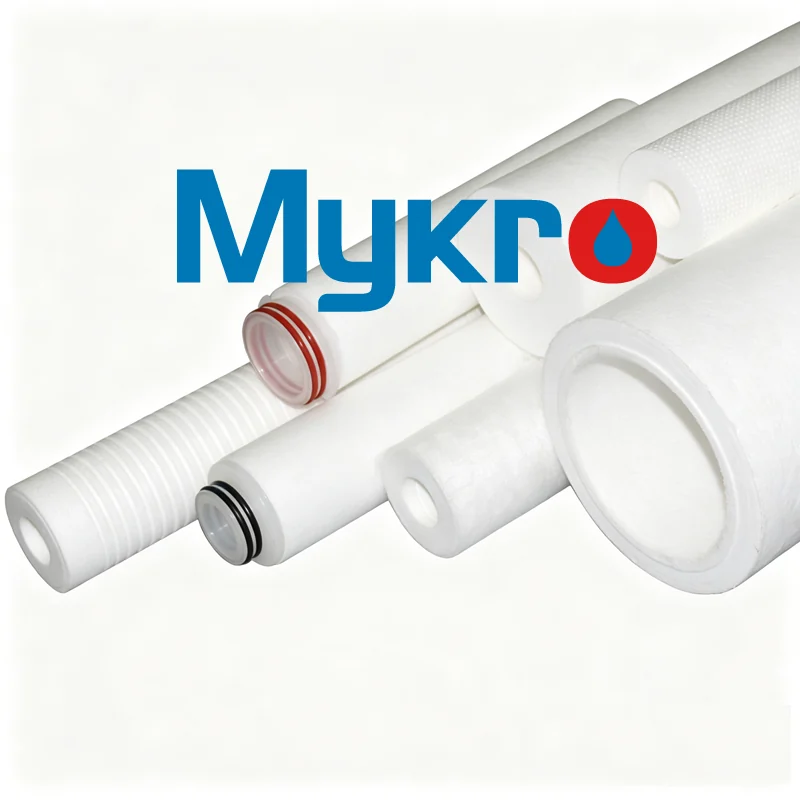
PP Melt Blown Depth Filter Cartridges
PP Melt Blown Depth Filter Cartridges are made from polypropylene fibers spun into a three dimensional network that captures particles throughout the
View Specifications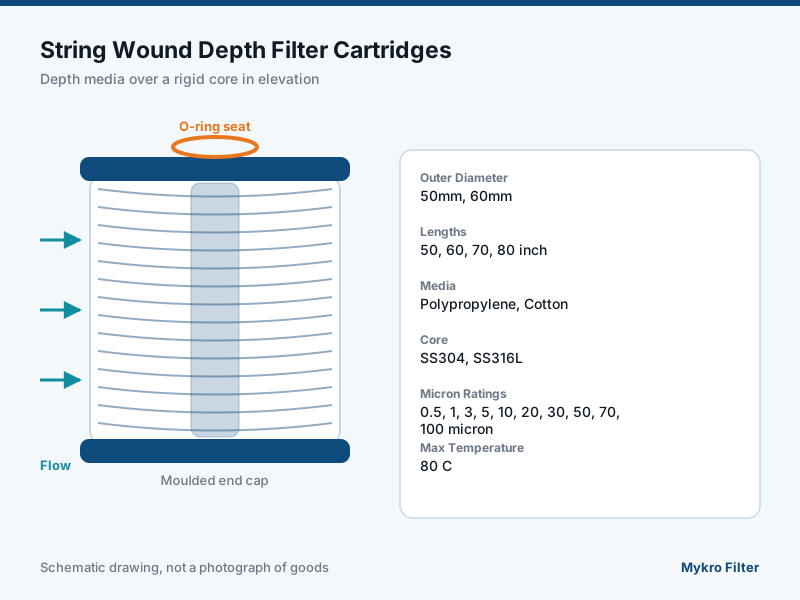
String Wound Depth Filter Cartridges
HFSW is a string wound depth filter cartridge with a continuous yarn structure that forms a graded density media pack.
View Specifications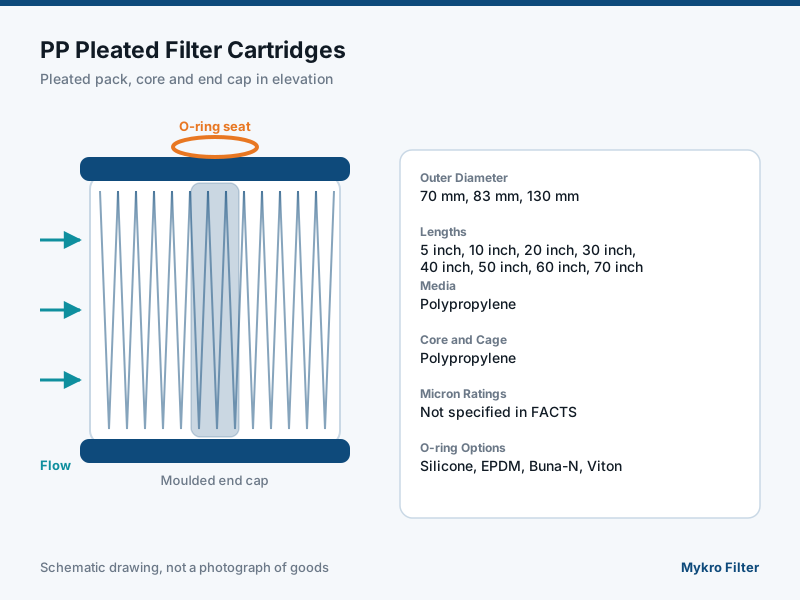
PP Pleated Filter Cartridges
PP pleated filter cartridges are depth pleated cartridges with a single piece full length polypropylene media pack, an inner core, and an injection mo
View SpecificationsQuestions About This Solution
What micron rating should I run ahead of my membranes?
Is a two stage prefilter worth the extra vessel?
Can I raise flow without adding a vessel?
How do I compare two suppliers fairly?
Do you supply the housings too?
Tell Us What Sits Downstream Of Your Prefilters
Send the membrane requirement, the feed and your current element and we will work back to a rating and a staging plan.