
The Cartridge Price Is Rarely The Real Bill
Plants compare cartridge suppliers on unit price and then discover the money went somewhere else. A skid packed with small elements takes two people most of a shift to change. A fine rating on a dirty feed ends the run early. A calendar based change-out throws away half the life of a good element. All three cost more than the difference between two quotations.
Where The Cost Actually Sits
Count The Elements
Problem: A bank of small cartridges multiplies handling time, packaging waste and storage space.
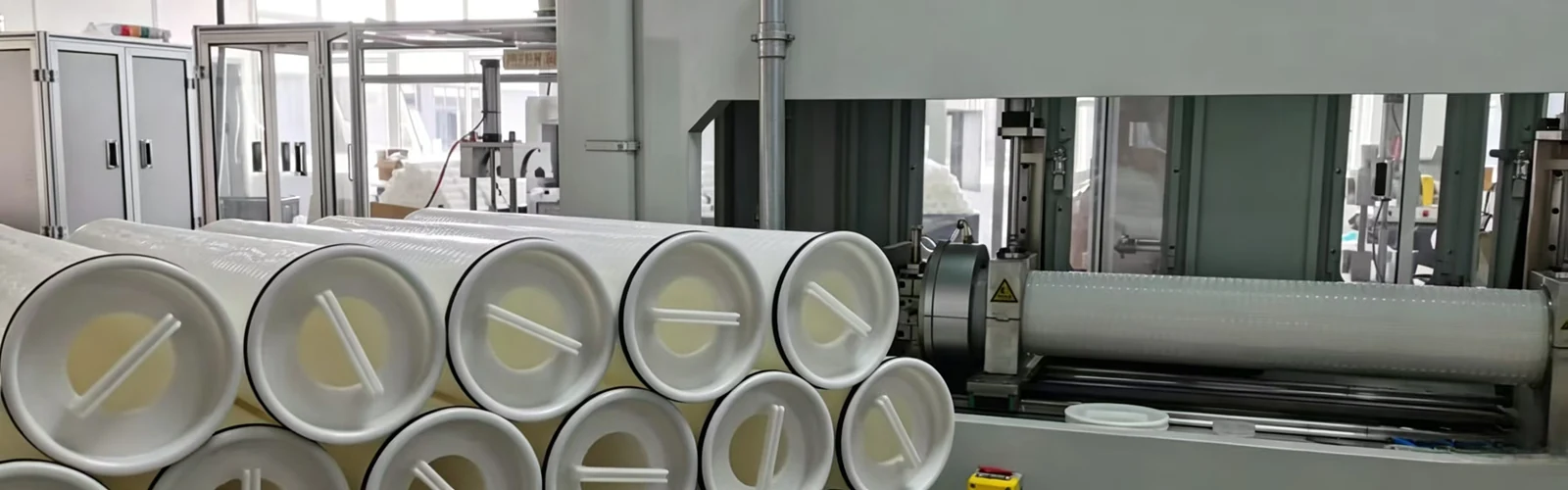
Large diameter high flow elements carry the same flow through far fewer pieces, so a change-out that filled a shift can fit in an hour.
Check The Rating
Problem: A finer rating than the downstream stage needs loads faster and shortens every run.
We work back from the stage you are protecting and take the coarsest rating that still does the job.
Add A Coarse Stage
Problem: The expensive fine element is doing the bulk solids removal that a cheap one could do.
A depth cartridge or bag ahead of it absorbs the loading so the fine element reaches its planned life.
Log Differential Pressure
Problem: Without a clean baseline nobody knows whether an element is spent or barely used.
Record clean differential on the day of fitting and change at the recommended differential for the series, not on a date.
Standardise The Stock
Problem: Every line running a different element means dead stock in the store and mistakes at change-out.
Where the duties allow it we consolidate lines onto one configuration so the store carries one code instead of five.
What Changes On The Line
- Change-out labour falls because there are fewer pieces to handle
- Runs end on condition rather than on a date in a maintenance system
- The fine element stops being the consumable that absorbs the bulk load
- The store carries fewer part numbers and makes fewer wrong picks
Cartridges And Housings In This Solution
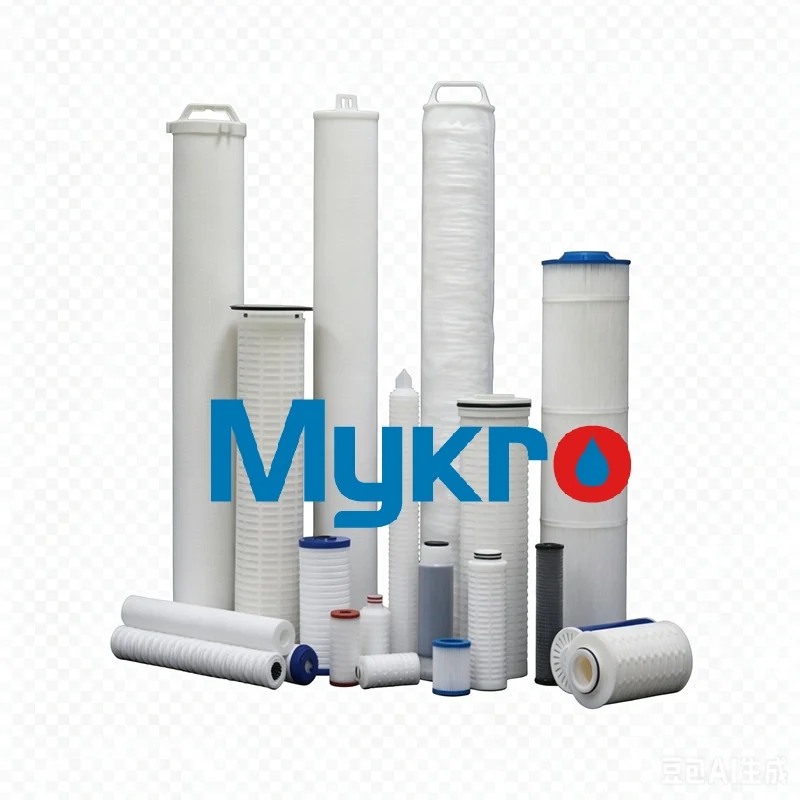
HFMV Series High Flow Filter Cartridges
HFMV is a 6.5 inch large diameter high flow cartridge with a vertically pleated polypropylene pack, an inner core and an injection moulded outer cage.
View Specifications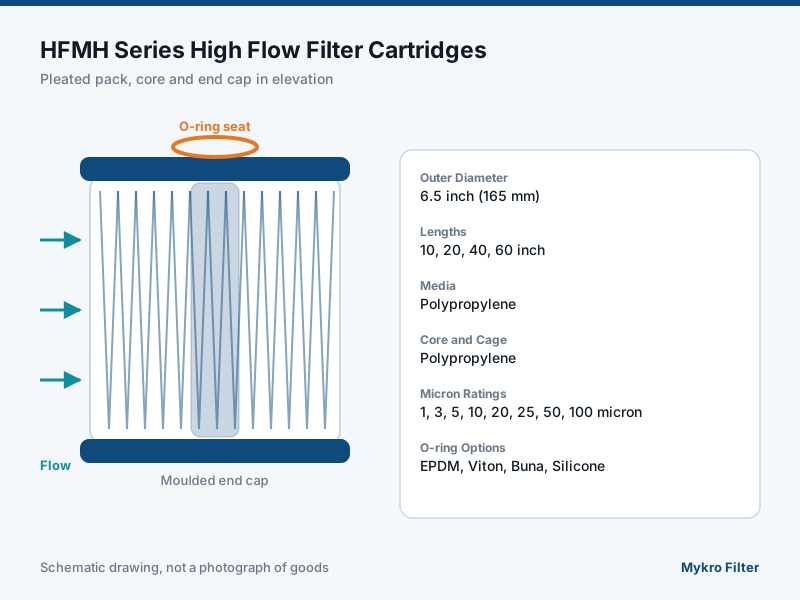
HFMH Series High Flow Filter Cartridges
HFMH is a 6.5 inch large diameter high flow cartridge with a horizontally pleated polypropylene pack, an inner core and an injection moulded outer cag
View Specifications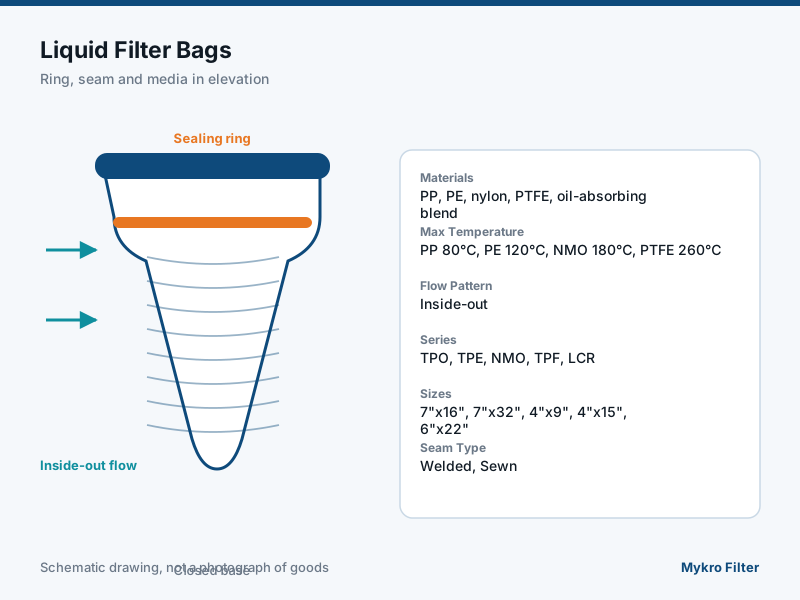
Liquid Filter Bags
Liquid filter bags are available in felt and mesh materials.
View Specifications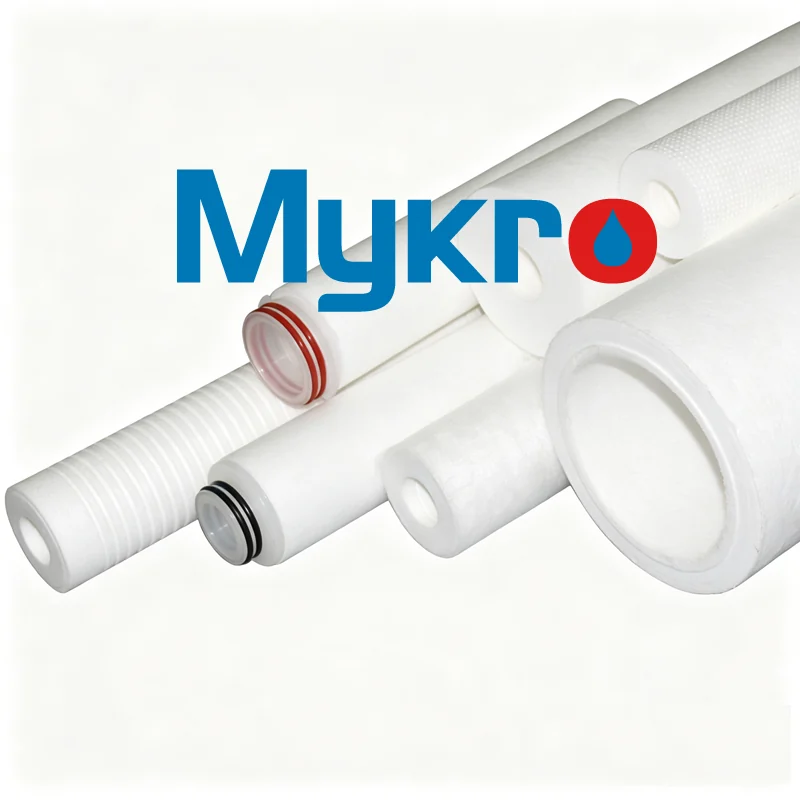
PP Melt Blown Depth Filter Cartridges
PP Melt Blown Depth Filter Cartridges are made from polypropylene fibers spun into a three dimensional network that captures particles throughout the
View SpecificationsQuestions About This Solution
How do I work out my real cost per cycle?
Will fewer larger elements really cut labour?
Is it safe to run a coarser rating?
Can you help us consolidate part numbers?
Do you provide the change-out differential figure?
Send Us One Skid And Its Change-Out Routine
Tell us the element count, the run length and what you pay in labour and we will show you where the cost actually sits.